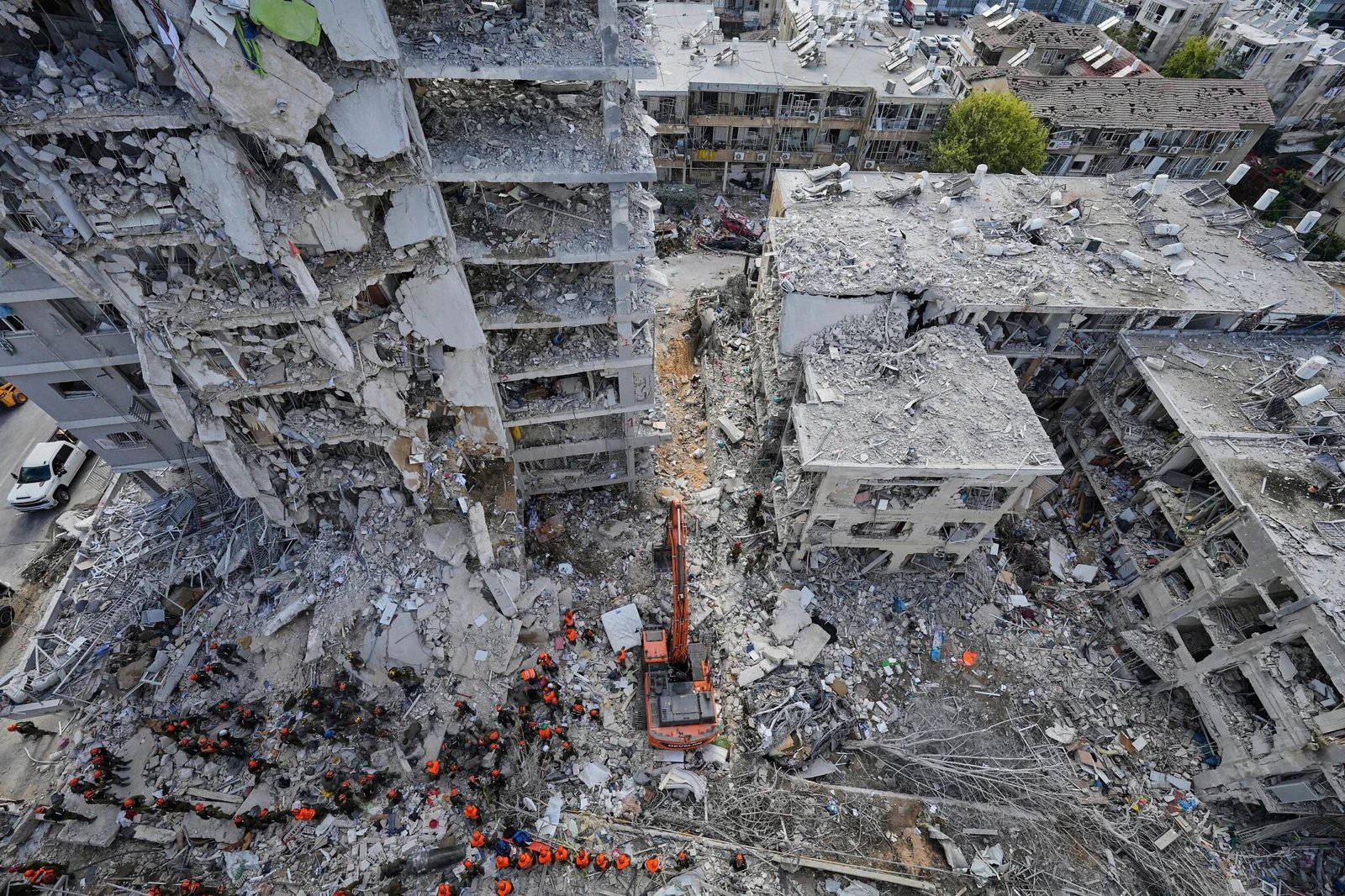



Violence continues in Gaza, with Israeli airstrikes causing casualties despite ongoing ceasefire efforts. On Wednesday, attacks targeted suspected drone operators, according to local leaders. Among the victims were several journalists working with an Egyptian aid organization. Their bodies were recovered from burned rubble. Additional civilians, including children, were also killed by gunfire during the same period.
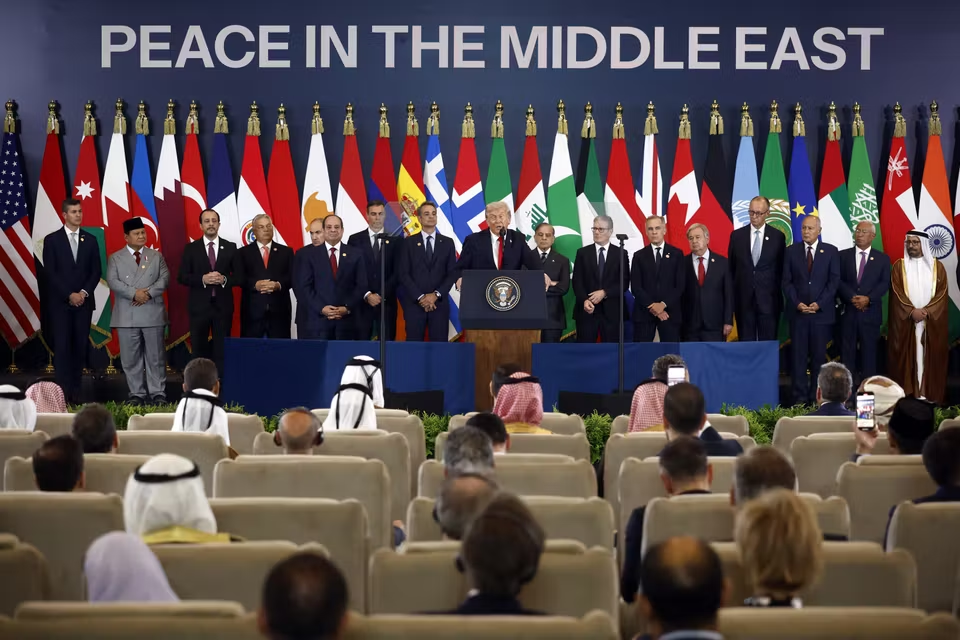
Amid this destruction, several Muslim-majority nations have stepped forward to support a new peace initiative. Pakistan, Egypt, Saudi Arabia, and Turkey are among eight countries officially joining r U.S. President Donald Trump’s proposed Board of Peace. These nations emphasize the importance of maintaining humanitarian access in Gaza and advocate for the creation of an independent Palestinian state.
During the World Economic Forum in Davos, Switzerland, Trump stated that Hamas has agreed to disarm. He acknowledged that the decision is difficult for an organization born out of conflict but insisted it is necessary to maintain peace. Trump also warned that Hamas must fulfill its commitments within the next three weeks or face swift consequences.
Egyptian President Abdel Fattah el-Sisi praised Trump’s efforts as historic, highlighting the Palestinian issue as a top priority for regional stability. He emphasized that establishing a Palestinian state is central to bringing long-term peace to the Middle East.
Meanwhile, Palestinian authorities focused on ensuring humanitarian aid and temporary housing in Gaza. The Prime Minister also expressed a willingness to cooperate with the Board of Peace to support stability and reconstruction efforts.
Analysts note that this collaboration represents a rare alignment between Muslim-majority nations and a U.S.-led peace initiative. By joining the Board of Peace, these countries signal a commitment to ceasefire enforcement, humanitarian relief, and diplomatic engagement aimed at ending the longstanding conflict in Gaza.
The initiative comes at a time of heightened tension in the region. With civilian casualties mounting and infrastructure damaged, international observers emphasize the urgent need for coordinated efforts to prevent further escalation. Humanitarian organizations have warned that without sustained intervention, Gaza could face worsening crises in shelter, medical care, and essential services.
Trump’s peace plan aims to combine diplomatic pressure with active oversight from the participating nations. Experts suggest that a multi-national board could enhance accountability and facilitate negotiations between conflicting parties. The inclusion of key Muslim-majority states adds legitimacy and regional influence to the process, potentially encouraging Hamas and other factions to adhere to commitments.
Observers also highlight the symbolic importance of the initiative. By engaging countries with historical ties to the region, the Board of Peace may bridge gaps between local leadership and international stakeholders. This approach could strengthen ceasefire enforcement and improve conditions for civilians affected by ongoing violence.
The recent developments mark a shift toward a more structured, multi-national peacekeeping and monitoring effort in Gaza. Analysts warn that while the plan is ambitious, its success depends on cooperation between regional powers, international organizations, and local authorities on the ground.
As the Board of Peace begins its work, the world watches closely. The coming weeks will be crucial for enforcing ceasefires, delivering aid, and advancing diplomatic solutions. Failure to act effectively could escalate tensions, while successful implementation could set a precedent for multi-national intervention in regional conflicts.