

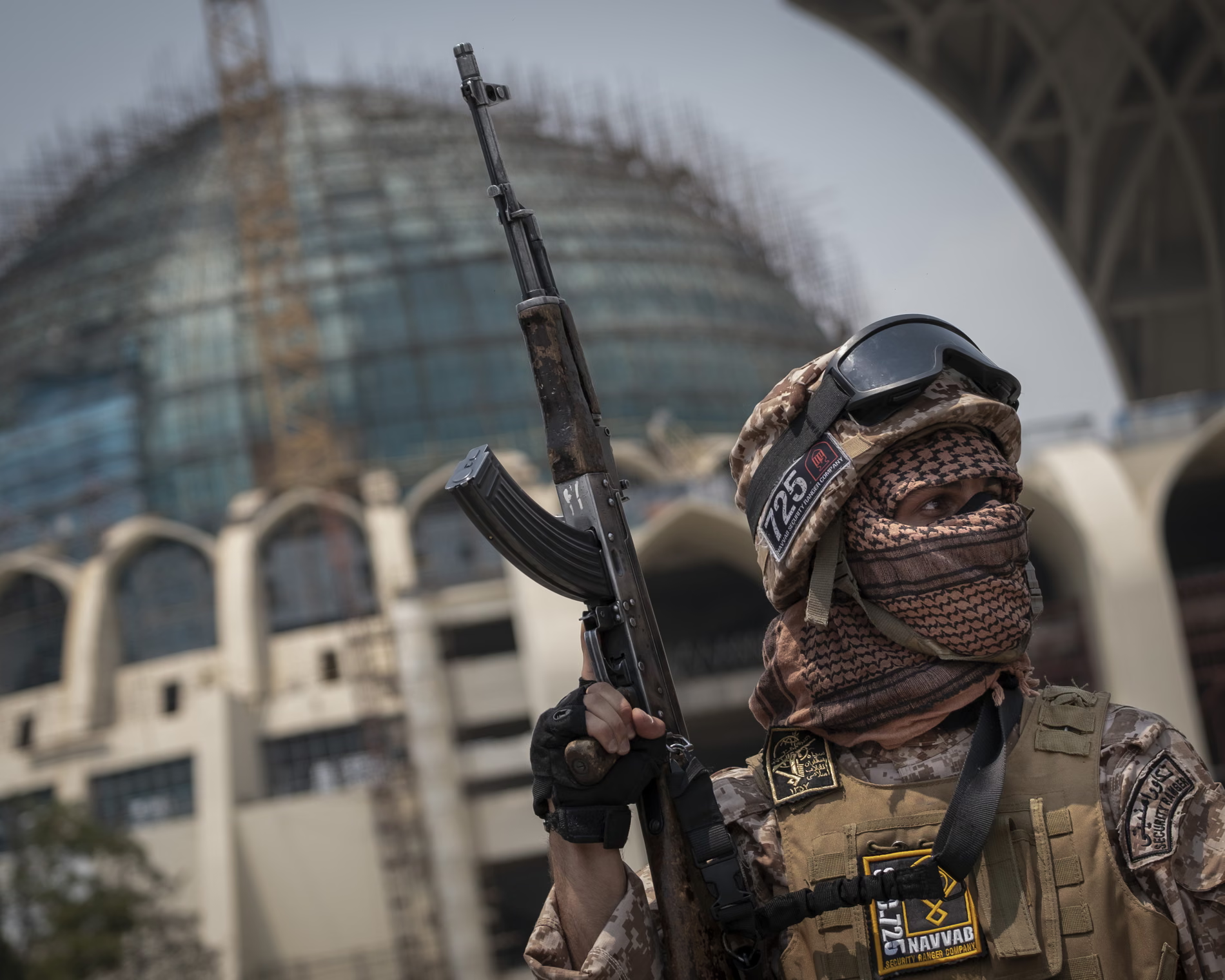
The recent military attacks on Iran by the United States and Israel have led to serious consequences. These airstrikes, launched in June, were intended to weaken Iran’s nuclear ambitions and trigger political change. However, the actual outcome has been an increase in state repression and executions, especially targeting political prisoners.
Iran now leads the world in executions per capita. Most are carried out by hanging, a method that can take minutes of painful suffocation. More than 600 people have been executed this year, many of them arrested for political reasons. Since the airstrikes, authorities have focused on suspected dissidents and so-called traitors.
Last weekend, two political prisoners—Behrouz Ehsani and Mehdi Hassani—were executed. They had been arrested in 2022, tortured, and forced to sign confessions. Their trial lasted only five minutes. Human rights groups say their execution was a direct response to the recent attacks. Iran’s government has used these events to increase fear and silence critics.
The regime claims the strikes were enabled by spies within Iran. Parliament is now pushing to expand the use of capital punishment. Reports suggest as many as 60 political prisoners could face death in the coming weeks.
More than 900 people were killed and 5,000 injured during the attacks, most of them civilians. Despite public anger over the bombings, the government has chosen to tighten its control. Instead of uniting the people, this harsh response has deepened fear and mistrust. Even countries like Britain and some in Europe did little to oppose the attacks, which further fueled public frustration.
These military actions have had wider effects. They violated international law, according to many global leaders. They also prompted Iran to stop cooperating with UN nuclear inspectors. Relations between the US and European countries have become more tense. Ironically, the bombings may have pushed Iran closer to building a nuclear weapon, even though its leaders continue to say they have no such plan.
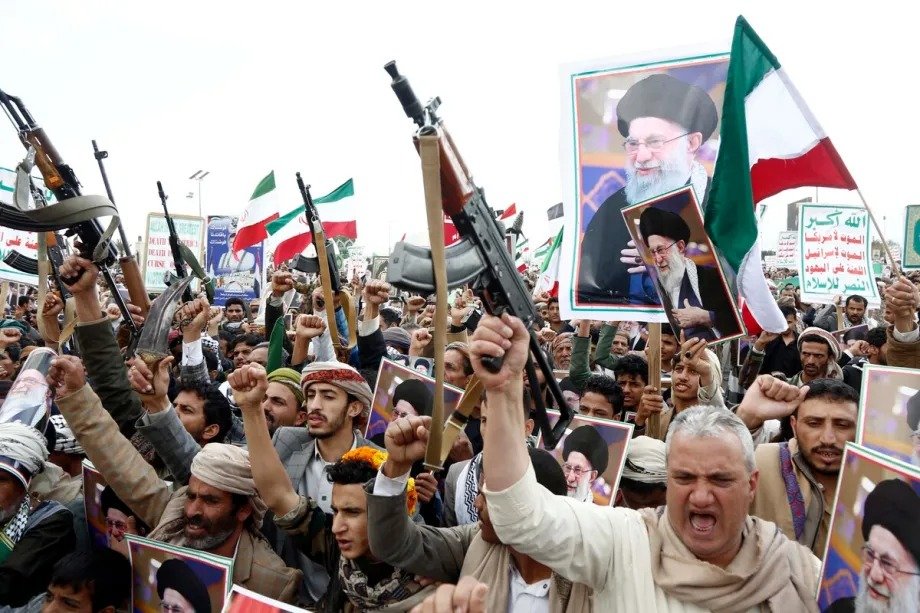
Iran’s Supreme Leader, Ayatollah Ali Khamenei, has become even more defiant. He recently warned that Iran will strike back if attacked again. Despite heavy damage, the strikes did not stop uranium enrichment. Iran insists it only wants nuclear energy for peaceful purposes. So far, no one has provided clear proof that Iran is building a bomb.
The decision to attack was based more on fear than facts. Many now believe it was a major mistake. It set a dangerous example, encouraging other countries, like Russia, to act with impunity. It also deepened Iran’s distrust of the West and pushed it further into partnerships with countries like China.
Hardliners in Iran now have more influence. They favor regional proxy wars and covert operations. This approach has only made Iran more isolated. Still, experts believe peace is possible if cooler heads prevail.
The conflict between Iran and the West has deep historical roots. Support for Iran’s former monarchy led to the 1979 revolution. The rise of religious hardliners, along with US hostility since the embassy siege, has kept tensions high. In 2018, the US withdrew from a nuclear deal approved by the UN and EU, sparking new conflict. Many believe this decision was a major policy failure.
Despite the current tension, there is hope. Iran’s former foreign minister has proposed a regional nuclear pact. This could promote peaceful use of nuclear energy and reduce the chance of future war.
To move forward, the US and Israel should lead by example. Reducing their own nuclear arsenals and ending threats of further attacks could rebuild trust. Talks on a nuclear-free Middle East could follow.
If these steps are taken, Iran’s leaders may ease their grip. The hanging of innocent people could stop. And the region might finally begin to heal.