


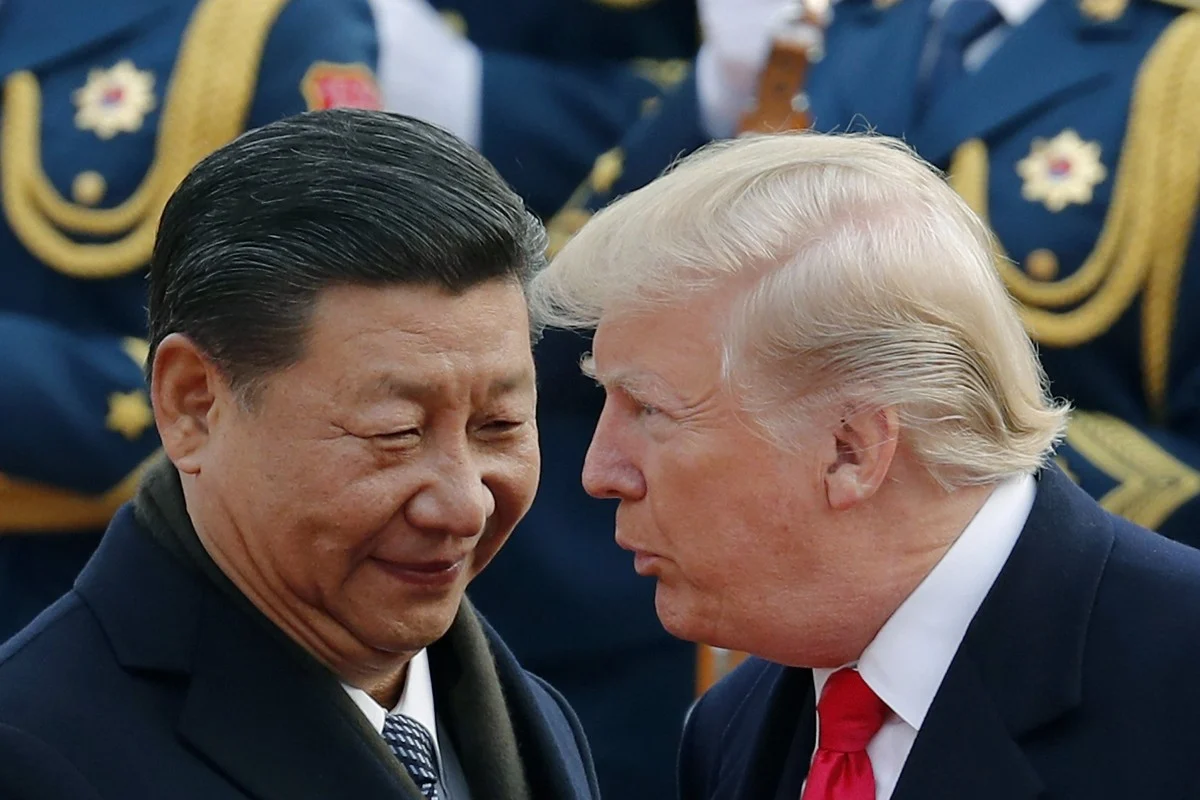
China has stepped up its messaging to the United States ahead of the bilateral summit between Trump and Xi scheduled in South Korea. The warnings cover multiple fronts — from trade to Taiwan to global trade norms.
At the ASEAN Summit in Kuala Lumpur, Chinese Premier Li Qiang spoke against rising unilateralism and protectionism in global trade. He warned nations not to revert to a “law of the jungle” approach and defended economic globalization as irreversible. At the same time, Beijing announced that its strategic bombers had conducted drills near Taiwan, signaling resolve ahead of the meeting with Washington.
The trade dimension is a major focus. Negotiators from both nations have already achieved a framework to prevent the imposition of proposed 100 percent tariffs on Chinese imports, originally set to begin in November. China has also warned that any deal the U.S. strikes — or any coalition it builds — must not be made at Beijing’s expense. Earlier this year, Chinese officials opposed “any party reaching a deal at the expense of China’s interests.”
On the Taiwan issue, China emphasized its sovereignty claims and demonstrated military readiness with bomber drills near the island. These actions coincide with the summit talk timeline, sending a dual message to Taipei and Washington. Meanwhile, Taiwan’s Foreign Minister stated that relations with the U.S. remained “very stable” despite concerns that the summit could force compromises.
For the U.S., the summit offers a chance to stabilize a volatile relationship with its biggest economic rival. For China, it represents an opportunity to shape the agenda and highlight its red lines. The warnings serve three main purposes: to remind the U.S. that China expects respect for its core interests, to strengthen China’s bargaining position ahead of treaty or framework discussions, and to signal to third-party nations that Washington’s moves in Asia cannot be viewed independently of Beijing’s interests.
If both sides approach the meeting constructively, the summit could mark a turning point — easing trade tensions, averting tariff escalation, and stabilizing broader relations. But the warnings underscore potential risks: any perceived compromise on Taiwan or core principles could provoke backlash. The mention of “law of the jungle” by Li signals Beijing’s frustration with aggressive trade or security postures and suggests China will push to ensure any agreement does not disadvantage it.
Observers say the world’s two largest economies face growing pressure to find common ground. With global markets sensitive to every signal, even small diplomatic shifts could have large effects on investment and trade. Analysts also note that both countries have domestic incentives to show strength while avoiding direct confrontation. Trump faces political scrutiny over economic performance, while Xi seeks stability amid slower growth and regional tensions.
Many experts believe that if Washington and Beijing can establish a basic understanding on tariffs, technology transfers, and communication channels, it could ease years of tension that have rattled global trade. However, if talks fail, renewed tariff threats and increased military maneuvers could reignite instability across Asia.
The meeting is more than symbolic. The warnings China has issued — about trade rules, Taiwan, and multilateralism — reflect deeper strategic calculations. The U.S. response and the tone of the summit will help determine whether this becomes a turning point in the US-China relationship or another cycle of tension.