

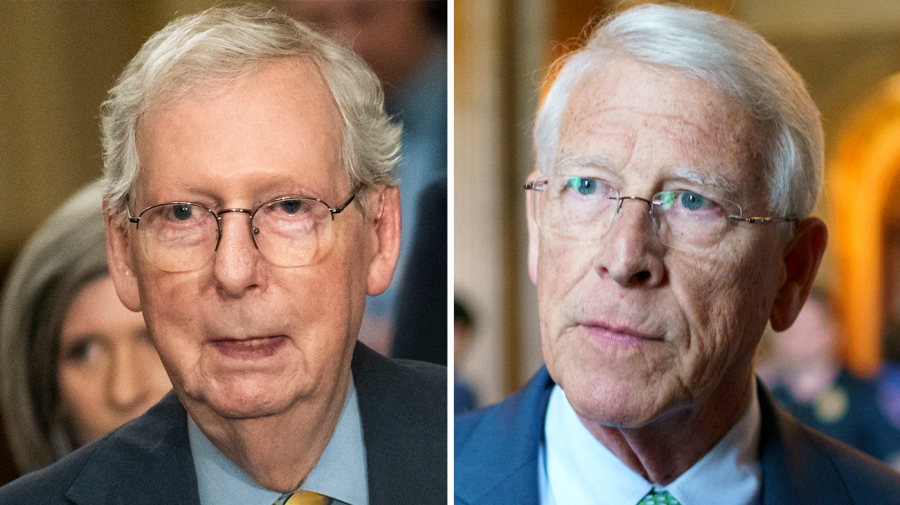
Republican senators Mitch McConnell and Roger Wicker sharply criticized President Trump’s plan to end the war in Ukraine, calling it overly favorable to Russian President Vladimir Putin and potentially harmful to U.S. interests.
The 28-point proposal, quietly negotiated between Washington and Moscow, includes provisions that would place Ukraine’s eastern regions, including Luhansk, Donetsk, and Crimea, under “de facto” Russian control with recognition from the U.S. The plan also calls for reducing the size of Ukraine’s military and banning NATO troops from the country, effectively preventing a European peacekeeping presence.
“This so-called ‘peace plan’ has real problems, and I am highly skeptical it will achieve peace. Ukraine should not be forced to give up its lands to one of the world’s most flagrant war criminals in Vladimir Putin,” Wicker said. “The size and disposition of Ukraine’s armed forces is a sovereign choice for its government and people.”
Wicker added that any assurances to Putin should not reward his actions or compromise U.S. and allied security. He also warned against pursuing arms control with a leader he described as a “serial liar and killer.”
The plan would require minimal concessions from Russia, except for using $100 billion in frozen Russian assets for Ukraine’s reconstruction. It would allow Russia to fully reintegrate into the global economy and remove all current sanctions.
McConnell echoed these concerns, warning that appeasing Putin could be disastrous for America. “Putin has spent the entire year trying to play President Trump for a fool. If administration officials are more concerned with appeasing Putin than securing real peace, then the president ought to find new advisors,” he said. McConnell added that rewarding Russian aggression would undermine U.S. interests and compared a failed deal to the U.S. withdrawal from Afghanistan.
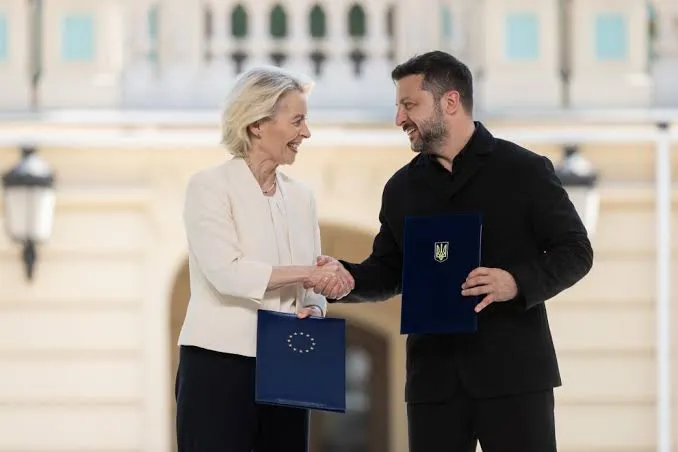
Ukrainian President Volodymyr Zelensky has not rejected the plan but highlighted the difficult choices it presents. He said Ukraine may need to balance maintaining sovereignty against the risk of losing U.S. support. Zelensky spoke with U.S. officials, including Army Secretary Daniel Driscoll and Vice President Vance, to discuss the proposal.
Trump indicated that Kyiv has until Thursday to accept the peace plan, though he suggested deadlines could be flexible. “Well, we have, you know, I’ve had a lot of deadlines, but if things are working well, you tend to extend the deadlines. But Thursday is, we think, an appropriate time,” he said during an interview with Fox News Radio.
During a separate meeting with New York City mayor-elect Zohran Mamdani, Trump reiterated that Zelensky will eventually have to accept some version of the peace plan or continue fighting Russia. “He’ll have to like it, and if he doesn’t like it, they’ll just have to keep fighting, I guess,” Trump said.
The plan has faced skepticism in Europe and from other staunch supporters of Ukraine, while Putin described it as a potential basis for a final peace settlement. Putin also claimed that the proposal had not been substantively discussed with Russia and suggested that Ukraine opposes the plan. “Apparently, Ukraine and its European allies are still under illusions and dream of inflicting a strategic defeat on Russia on the battlefield,” Putin said.
As the debate continues, senators and U.S. allies emphasize the need to ensure that any peace effort does not compromise Ukraine’s sovereignty or reward Russian aggression. Trump’s plan has sparked concern over whether the United States could inadvertently empower Moscow while attempting to broker peace.