


Western leaders attending the G20 summit in South Africa said the U.S. peace plan for Ukraine provides a basis for negotiations but requires further work. The 28-point proposal, circulated earlier this week, seeks to address the four-year conflict between Russia and Ukraine.
Leaders from the Group of Seven and the European Union met on the sidelines of the Johannesburg summit to discuss the plan. In a joint statement, officials from Germany, France, Britain, Canada, the Netherlands, Spain, Finland, Italy, Japan, Norway, and the EU said the draft “includes important elements that will be essential for a just and lasting peace,” but noted it “requires additional work.”
The plan, reportedly sent to Kyiv and Moscow, would require Ukraine to cede its eastern Donbas region and Crimea and renounce NATO membership, according to a draft shared publicly by a Ukrainian opposition politician and confirmed by a U.S. official. It contains many of Russia’s longstanding demands while offering limited security guarantees for Ukraine.
The proposal has raised concerns in Kyiv and European capitals. Ukrainian President Volodymyr Zelenskyy warned that his country faces a choice between defending its sovereignty and preserving American support. German Chancellor Friedrich Merz emphasized that wars cannot be settled by major powers over the heads of affected countries and insisted that Kyiv must receive strong guarantees.
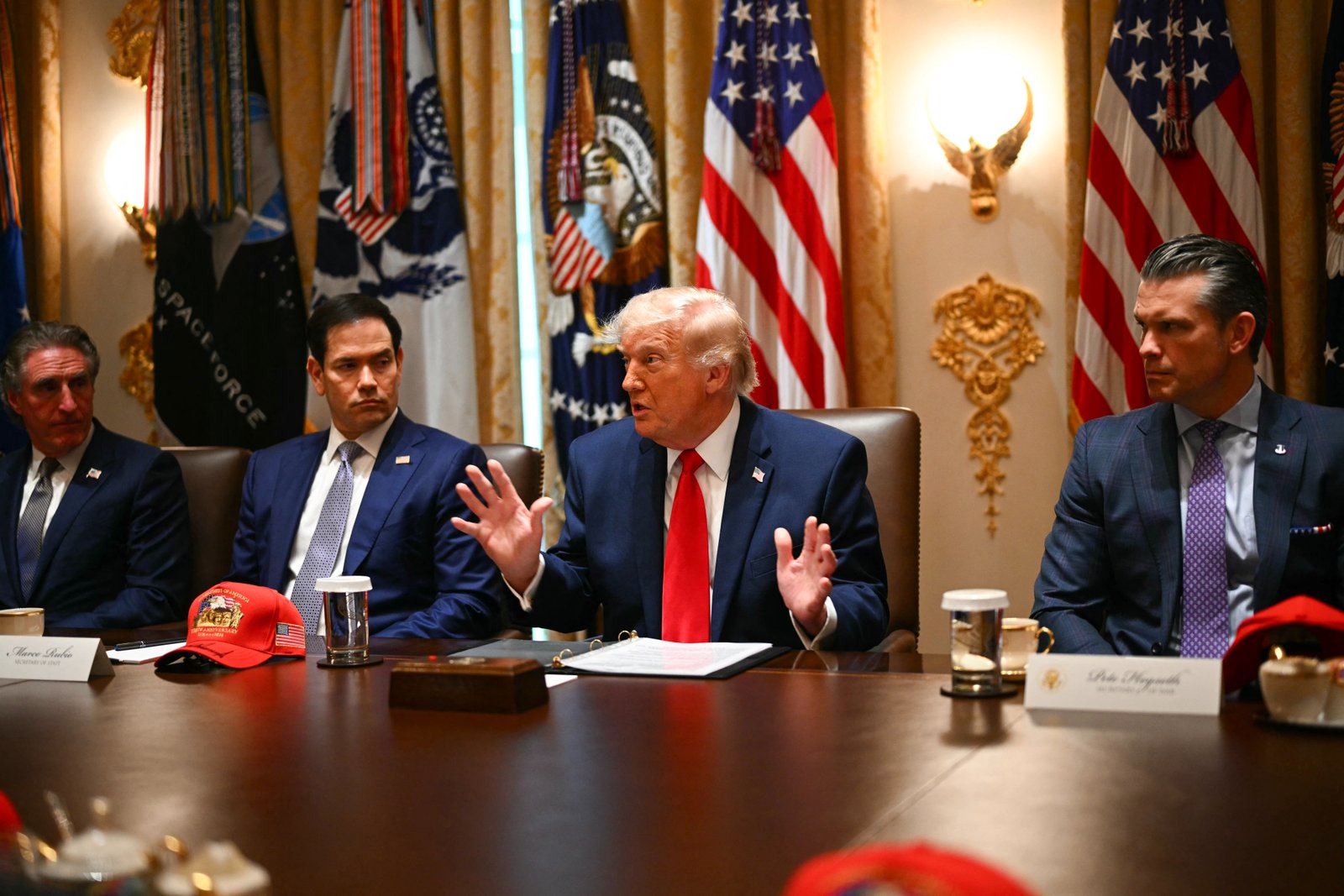
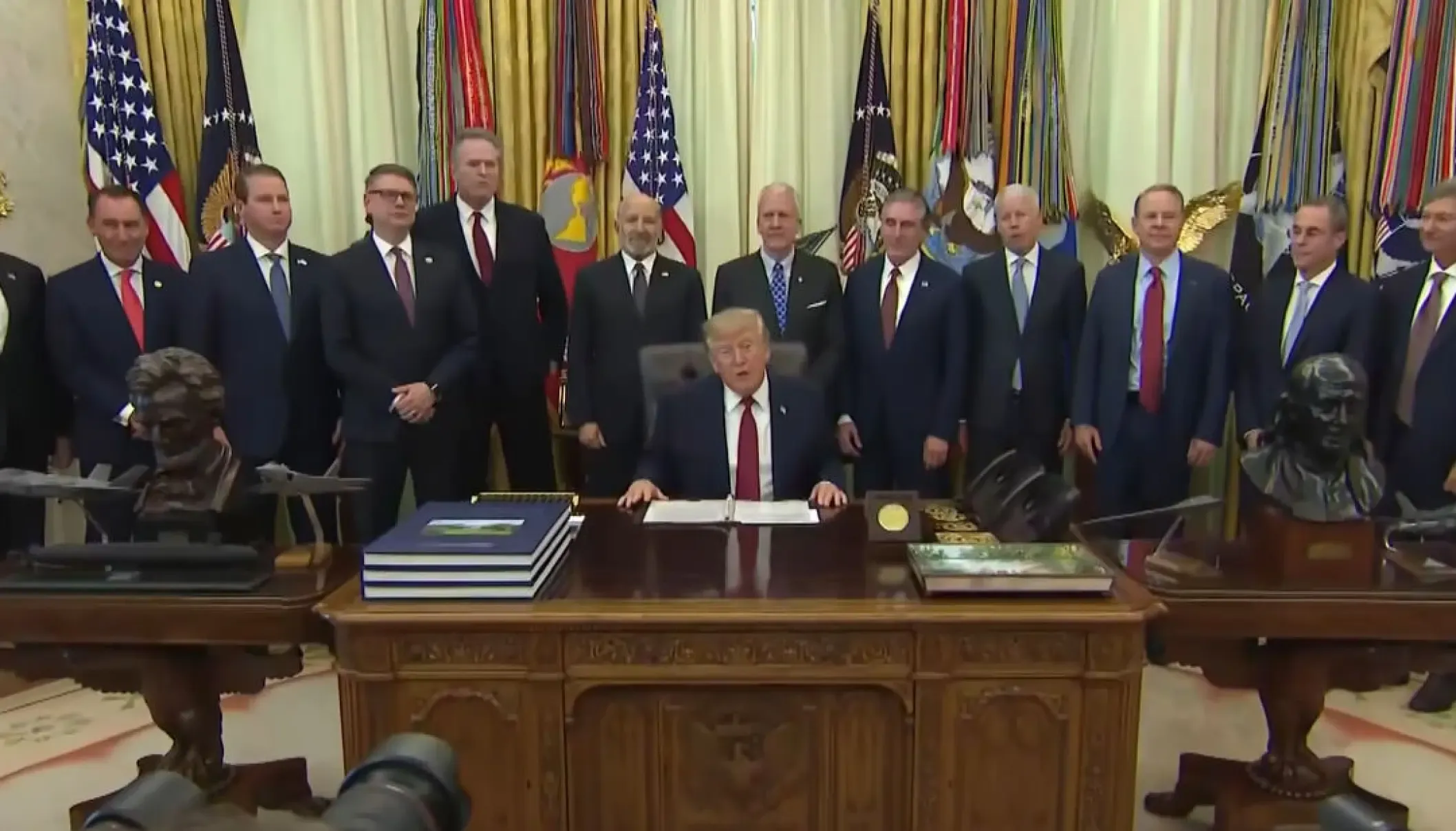
President Trump said he wants an answer from Zelenskyy by Thanksgiving but indicated an extension may be possible to finalize terms. He added that the U.S. peace plan is not the final offer for Ukraine, stating, “We’d like to get the peace… It should have happened a long time ago. The Ukraine war with Russia should have never happened. If I were president, it never would have happened. We’re trying to get it ended one way or the other. We have to get it ended.”
Some U.S. senators claimed that Secretary of State Marco Rubio told them the proposal was not of U.S. origin but a “wish list of the Russians.” Rubio later clarified on social media that the plan was authored by the U.S. as a framework for negotiations, based on input from both Russia and Ukraine.
A Ukrainian delegation will meet a U.S. team in Switzerland to discuss the proposal, with European leaders cautioning against rushing a peace agreement. The joint statement by Western leaders stressed that borders must not be changed by force and expressed concern over limitations in the plan on Ukraine’s armed forces, which could leave the country vulnerable to future attacks.
Trump has said Zelenskyy will eventually have to accept some version of the plan, adding, “At some point, he’s going to have to accept something. He’ll have to like it, and if he doesn’t like it, then they should just keep fighting, I guess.” Russian President Vladimir Putin confirmed Russia received the 28-point plan but said it has not been substantively discussed, attributing the delay to Ukraine’s lack of consent.
On Saturday, Zelenskyy marked Holodomor Memorial Day, recalling the Soviet-era famine that killed millions, and reaffirmed Ukraine’s resolve to defend its territory. “We defended, defend, and will always defend Ukraine. Because only here is our home. And in our home, Russia will definitely not be the master,” he said.
Ukrainian officials, including former defense minister Rustem Umerov, said consultations with U.S. representatives would begin in Switzerland, with both sides approaching the talks with clear interests. U.S. Secretary of the Army Dan Driscoll will lead the delegation, joined by Rubio and U.S. envoy Steve Witkoff. European envoys from Germany, France, Britain, and the EU will also participate alongside Ukrainian negotiators, including Zelenskyy’s chief of staff Andrii Yermak, empowered to directly engage with Russia.