

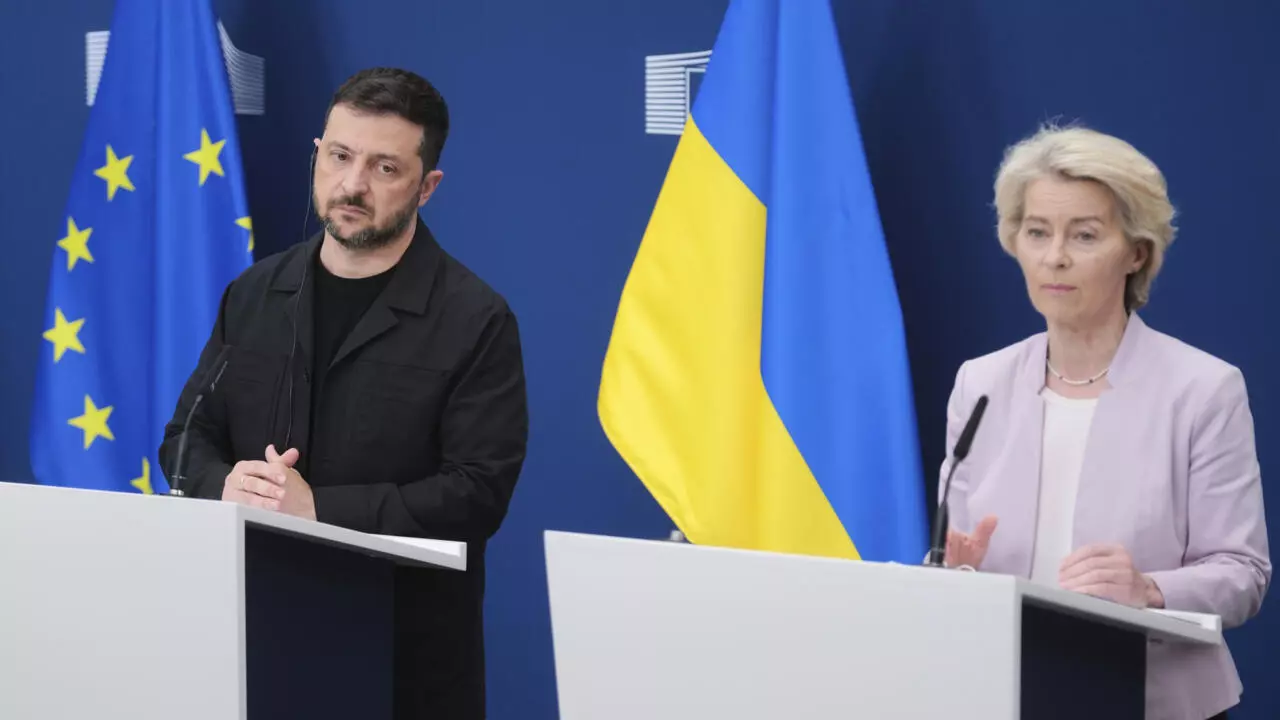
NATO foreign ministers met in Brussels to discuss the NATO Ukraine peace plan. The meeting came at a tense time, with many allies worried about the peace plan backed by the United States. The plan has been rewritten over the past two weeks by European and Ukrainian officials. Leaders across Europe say Ukraine must be the one to decide its own borders. Ukraine’s president says his top goals are security and full control of the country’s territory.
The talks began as foreign ministers arrived at NATO headquarters. Many of them spoke about the peace discussions taking place in Moscow. They expressed mixed feelings. Some ministers said they were glad that the United States was trying to find a solution. Others said they were uneasy because Europe was not included in the talks. They also said they did not know what was written in the early versions of the plan.
The first draft of the plan was widely seen as too friendly to Russia. Reports said it could have blocked Ukraine from joining NATO forever. Some parts even offered Russia more land than it currently holds. US officials later told allies that these parts had been removed. Still, the lack of clear details caused concern across Europe.
Those concerns grew when the US secretary of state, Marco Rubio, did not attend the meeting. His deputy came instead. Many ministers said they hoped for a full briefing from the United States, but they understood that updates might be limited.
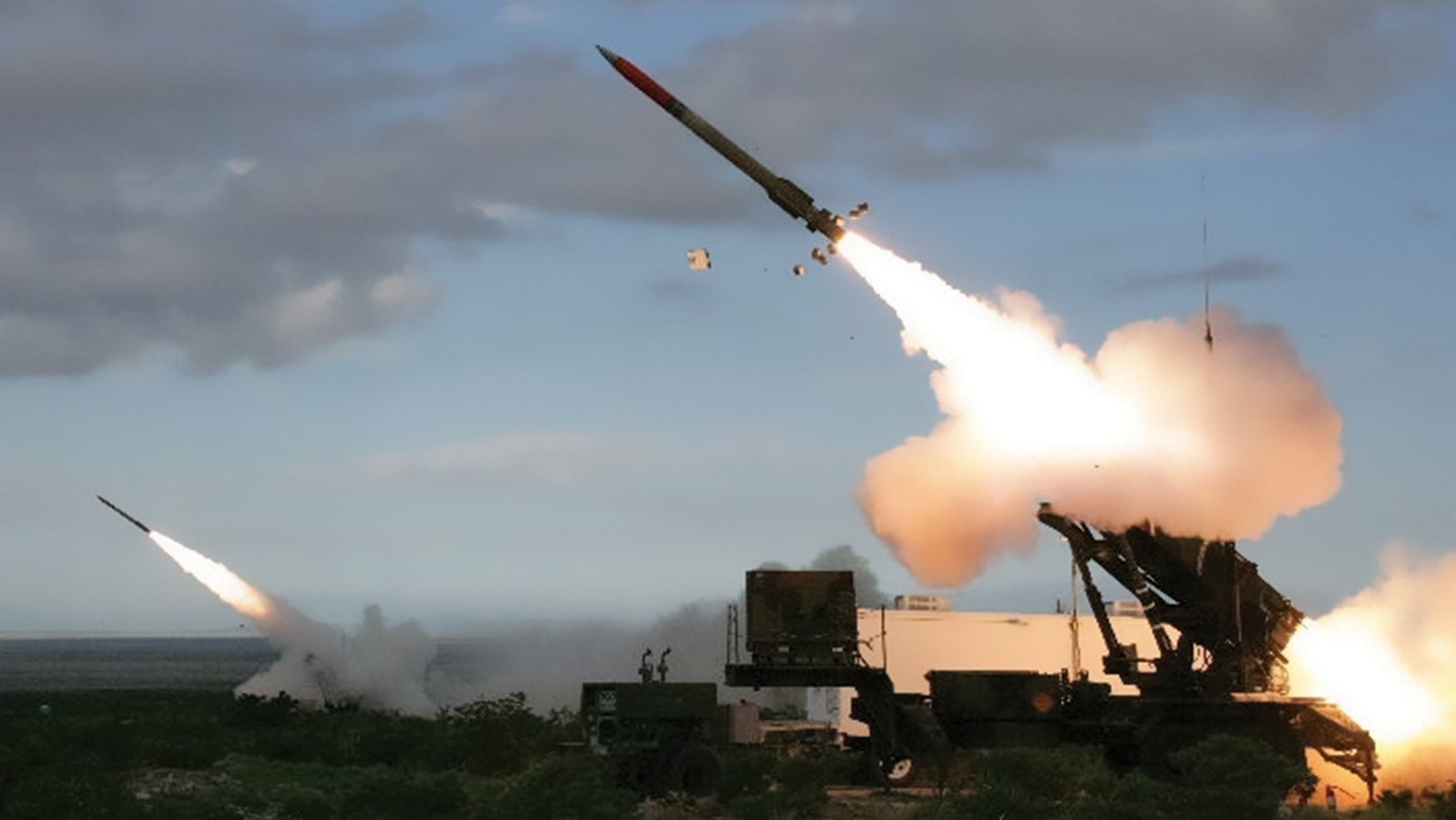
NATO’s secretary general, Mark Rutte, said the alliance must prepare to support Ukraine more in the coming year. He said Ukraine will need more help, and that the war does not appear close to ending. Germany, Poland, and Norway announced a new support package during the meeting. The package is part of the “Prioritized Ukraine Requirement List.” It includes advanced weapons purchased from the United States.
The United States stopped its own military aid earlier this year. Because of that, Europe is now paying for most new weapons sent to Ukraine. The new package is worth about 500 million dollars. NATO expects the total value of all support packages to reach five billion dollars by the end of this year. Rutte said that next year the need could double. He said allies may need to provide two major packages each month to keep Ukraine supplied.
Other topics were also discussed. One major point was the set of threats made by Russia’s president. He suggested he was ready for war with Europe. But many NATO ministers said they did not feel shaken by the comments. They said they have heard similar threats before and continue preparing for all risks.
A growing area of concern is hybrid attacks. These include cyberattacks, rail line attacks, damaging communication systems, or other hidden actions. Poland recently reported damage to a rail line. Polish officials want NATO to prepare a stronger answer to these attacks. Some leaders even suggest allowing preemptive action if the threat is clear.
NATO does not carry out offensive operations in peace time. But officials said members may respond in ways that send a message to Russia. These responses could include cyber measures or actions that protect key parts of infrastructure. NATO officials also said that some defensive steps may already be taking place out of public view.
As the meeting ended, ministers said their main goal remains the same. They want to support Ukraine, protect their own defenses, and make sure all allies understand the risks. The final shape of the NATO Ukraine peace plan still depends on future talks. But ministers said they expect to play a strong role as discussions continue.