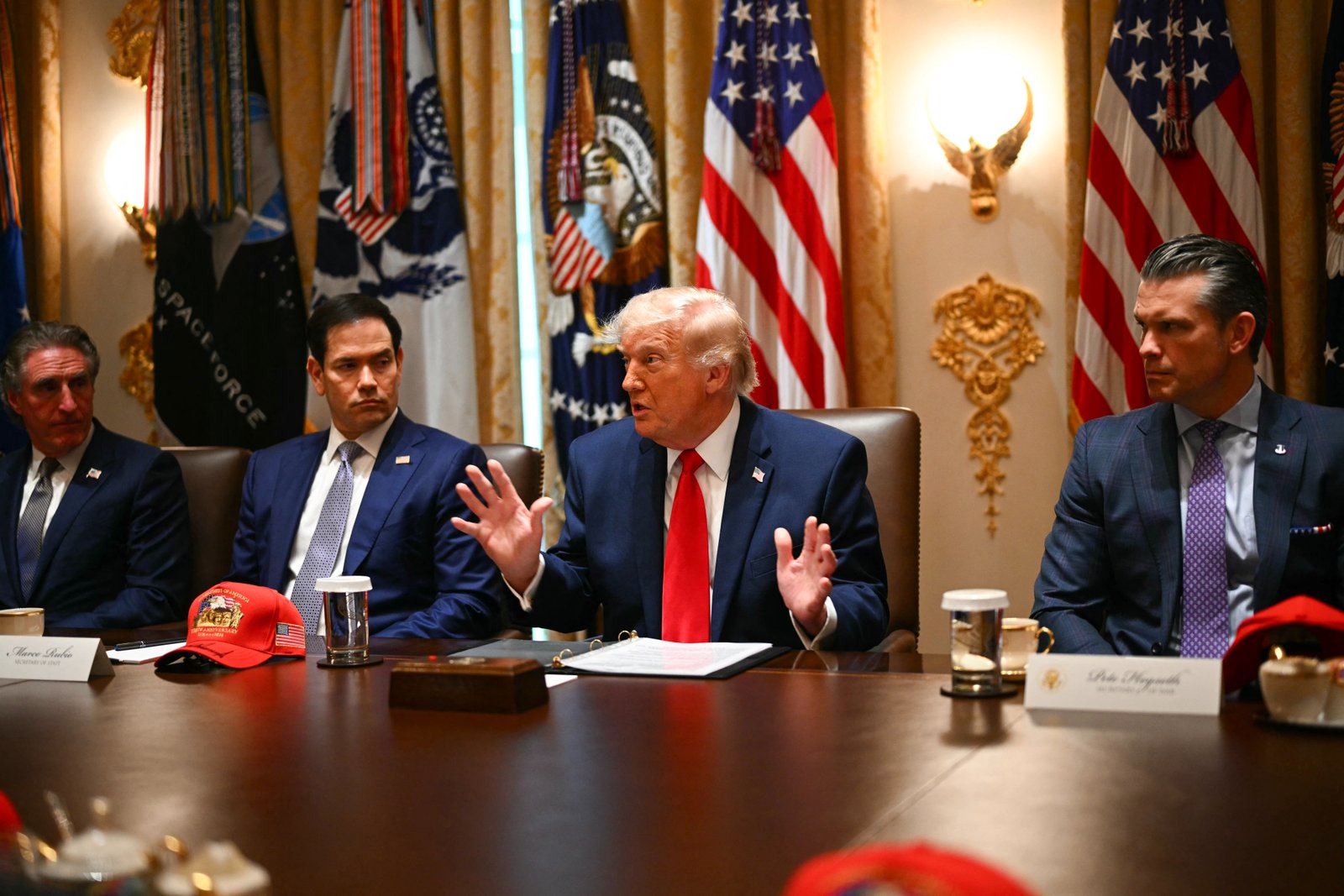



President Donald Trump called U.S. Somali residents and Congresswoman Ilhan Omar “garbage,” claiming they have cost Minnesota billions of dollars. His comments came amid a federal trial in North Carolina over a voter registration law affecting college students.
The case focuses on Senate Bill 747, which increased requirements for voters using same-day registration during early voting. Judge Thomas Schroeder is reviewing whether the law discriminates against students. He requested briefs at the end of November following a week-long trial in Winston-Salem.
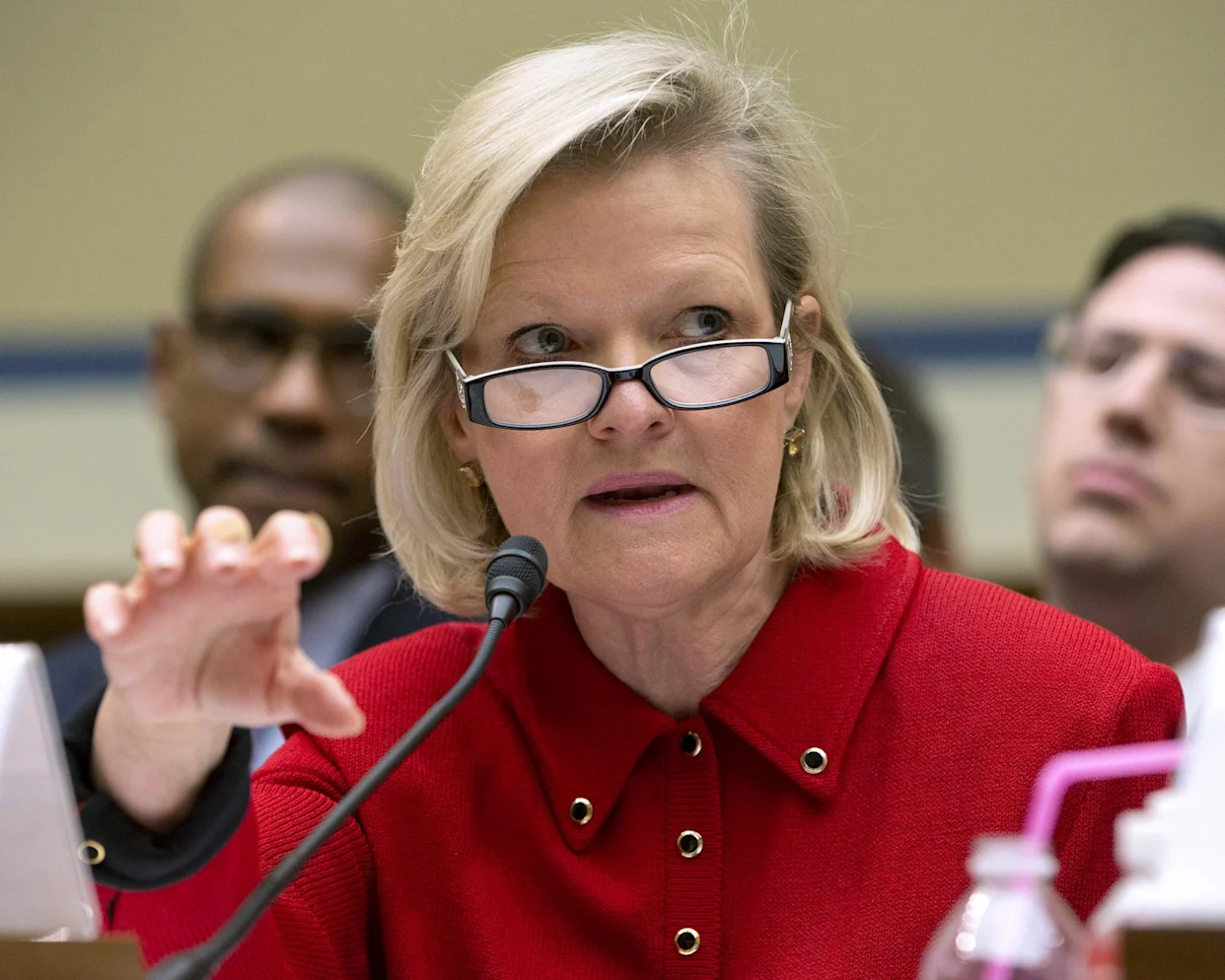
Cleta Mitchell, a prominent ally of Trump and founder of the Election Integrity Network, testified in the case after a lengthy legal battle to avoid participating. She argued that same-day registration makes cheating easier, especially on college campuses, where student IDs can be used to vote.
Mitchell compared repeated minor rule violations to breaking bones: “Pretty soon you’ve got a broken arm,” she said in deposition, highlighting what she sees as vulnerabilities in student voting. The law allows ballots to be discounted if registration letters are returned undeliverable and requires same-day registrants to prove residency with documents like electricity bills.
Democracy North Carolina, which is challenging the law, said Mitchell admitted that college students who are legal residents should be allowed to vote. She also claimed that Democrats support same-day registration on campuses so students can “roll out of bed, vote, and get back into bed,” expecting most to vote for one party.
Jim Womack, head of the North Carolina Election Integrity Team, also testified. He said legislators considered recommendations from him and Mitchell when drafting the law. Womack described college voters as easily influenced by friends and distracted until elections.
State leaders defending the law argued there was no evidence that lawmakers discriminated against students based on Mitchell’s advice. Womack and Mitchell said they sought to eliminate same-day registration entirely, believing it created a “special class of voters” and increased the risk of fraud.
Chris Shenton, senior counsel for the plaintiffs, criticized lawmakers for relying on activists’ claims without reviewing data. He said about half of same-day voters in North Carolina are college students. Shenton added that the law could violate the 26th Amendment’s age protections by targeting young voters.
In 2024, about 5.7 million people voted in North Carolina’s presidential election. Trump won the state by roughly 183,000 votes. SB 747’s provisions could affect only a few thousand votes, according to estimates. Womack noted that around 4,000 same-day voters last year did not provide full Social Security or driver’s license information.
The trial highlights the ongoing national debate over voting access, fraud concerns, and the political influence of college-aged voters. Trump’s remarks targeting Somali Americans and Ilhan Omar have added to the controversy, raising questions about racial and political rhetoric in the context of election law changes.
The case continues as Judge Schroeder reviews evidence and testimony from both sides. The outcome could have significant implications for voting rights and same-day registration laws, especially in states with large student populations.