



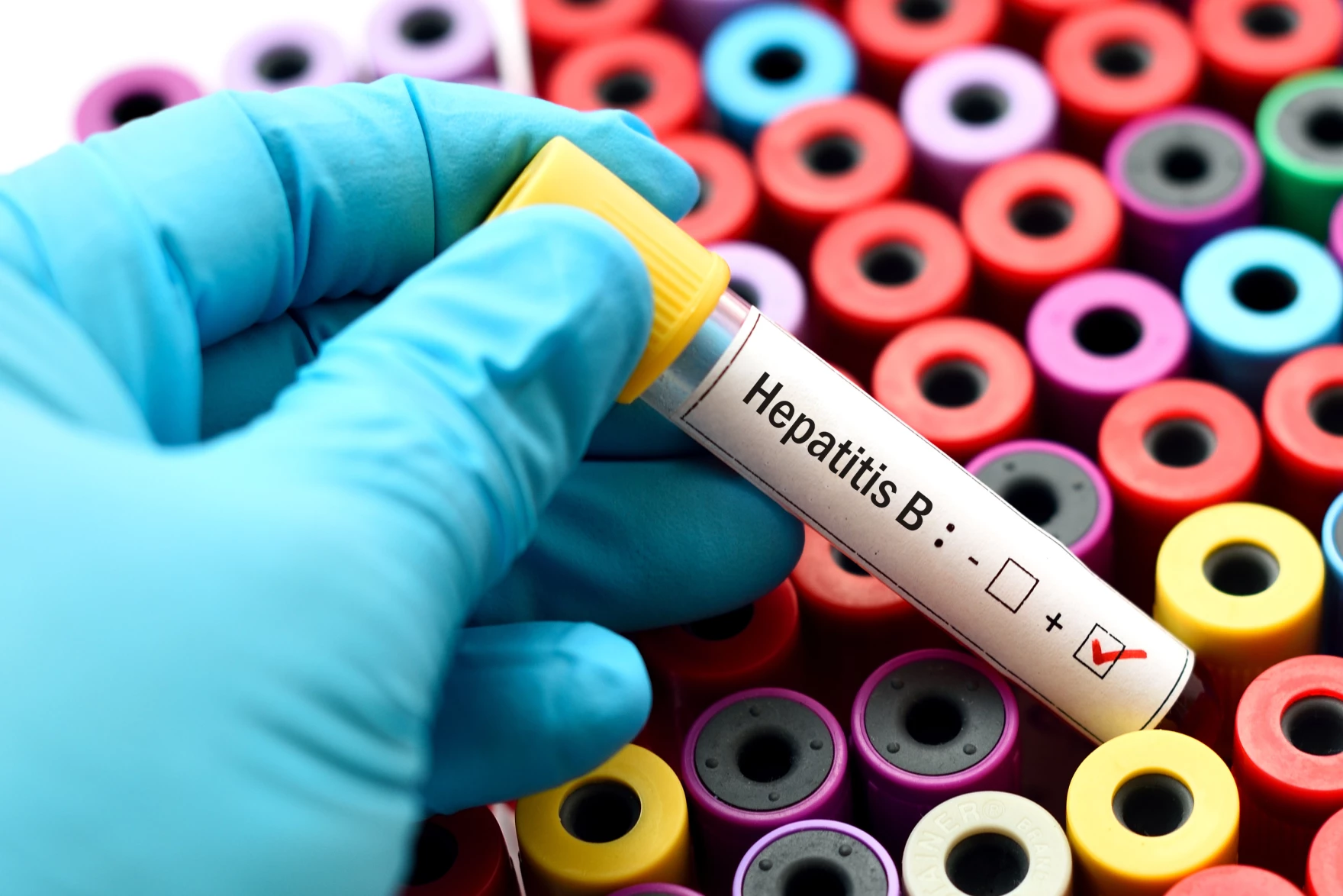
Federal vaccine advisers have recommended major changes to hepatitis B shots for newborns, though the CDC director still must approve the guidance. The new proposal keeps the birth dose for babies at high risk, including those whose mothers test positive for hepatitis B or were not tested during pregnancy.
For all other newborns, parents can now decide with their doctor if and when to vaccinate. The advisory committee noted that safety studies for low-risk infants have been limited, prompting a shift in the vaccination schedule.
This change also raises questions about insurance coverage. The federal Vaccines for Children (VFC) program has committed to providing hepatitis B vaccines through at least 2026. Beyond that, coverage is not fully clear. Private insurance coverage may also be uncertain, which could influence parents’ decisions.
Cleveland Public Health Director Dr. David Margolius expressed concern that fewer newborns may be vaccinated, which could increase the risk of hepatitis B infections. Last year, Cuyahoga County reported only 11 new cases, a number experts attribute to universal vaccination.
“Each person only has one liver,” Dr. Margolius said. “Hepatitis B can cause serious liver damage. We don’t want babies to suffer from an infection that could have been prevented with a simple shot at birth.”
Despite the updated guidance, most local hospitals are expected to continue offering the birth dose. Doctors emphasize that the vaccine is safe and highly effective, and early protection is critical for preventing serious liver disease.
The CDC director is expected to review and potentially approve the new recommendation soon. Medical experts anticipate that hospitals and pediatricians will continue to advise parents on the best course of action based on each baby’s risk factors.
Parents should discuss the timing and necessity of the hepatitis B vaccine with their child’s doctor. While high-risk babies will still receive the shot at birth, low-risk infants may have more flexibility. Experts stress that this decision should be informed by the child’s health, exposure risk, and the latest research on vaccine safety.
The new guidance reflects a growing focus on personalized healthcare for newborns. It allows parents more involvement in vaccination decisions while maintaining protection for infants at higher risk of hepatitis B infection.
As hospitals prepare for the updated recommendations, public health officials continue to monitor infection rates. They aim to balance vaccine safety with preventing outbreaks and protecting community health.
Parents and caregivers are encouraged to stay informed and consult their pediatricians about the hepatitis B vaccine. Ensuring timely vaccination remains a key strategy in preventing liver disease and maintaining low infection rates in communities.