


Montana’s congressional delegation is praising the recent renewal of funding for the Secure Rural Schools and Self-Determination Program. The bipartisan effort ensures that rural counties across the state will continue receiving critical support for schools, roads, and local services.
The program, known as SRS, faced a lapse in 2023, leaving many Montana communities without vital payments. Following a bipartisan letter urging the U.S. House to act, Congress passed the reauthorization bill last week with only five votes against it. Both of Montana’s U.S. representatives voted in favor, extending funding through the 2026 fiscal year and covering payments from the last two years.
“Montana’s students and teachers lost out on millions in funding when Congress failed to reauthorize the Secure Rural Schools Program,” said Rep. Troy Downing. “As a former educator, I understand that every penny counts in the classroom. I was proud to support this measure today that ensures rural communities in central and eastern Montana have the funds they need to provide the best education for our next generation.”
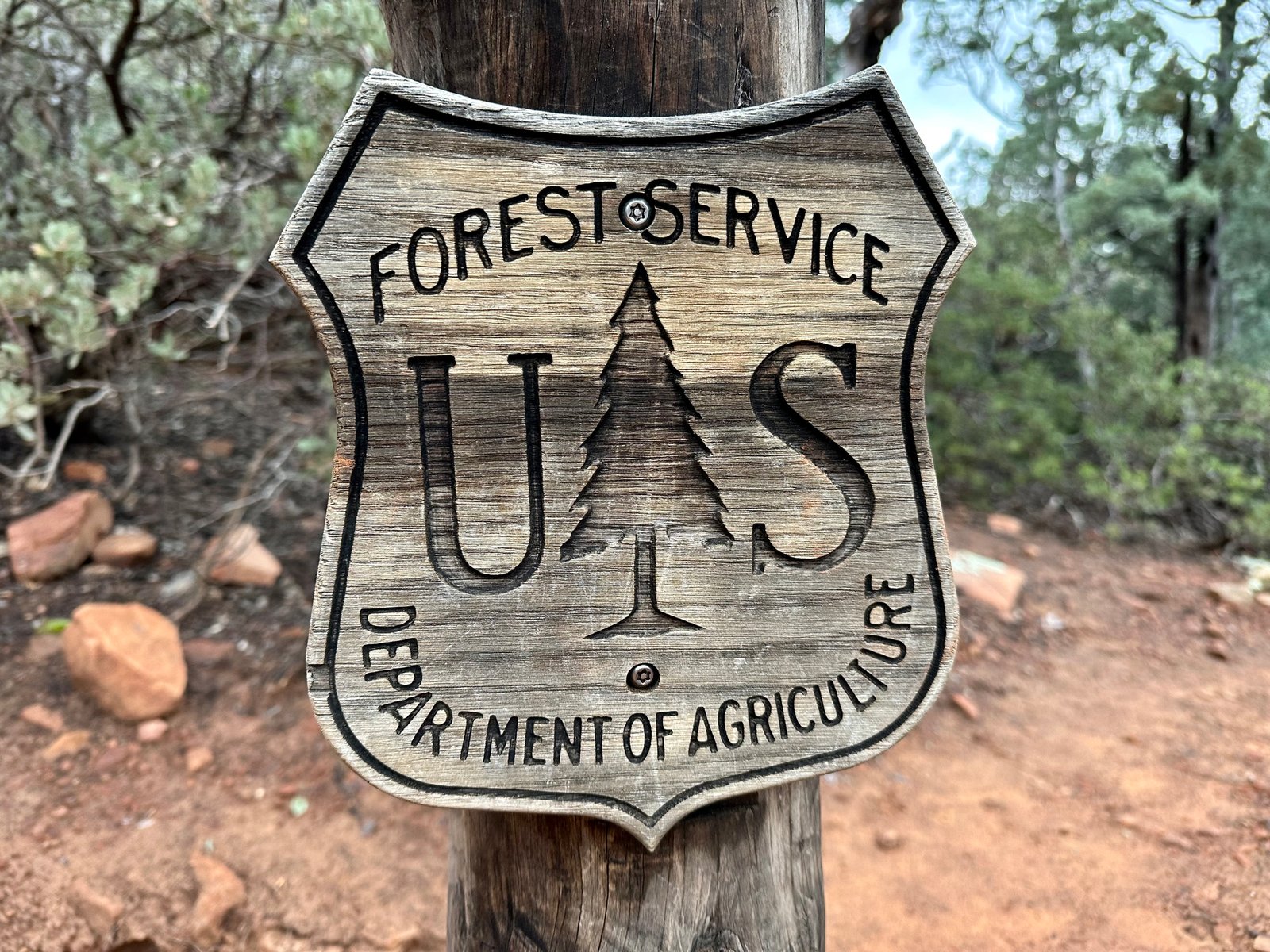
The SRS program has been helping rural counties since 2000, particularly those with large amounts of federally-owned, tax-exempt forest land. Under the program, the federal government, through the U.S. Forest Service, shares 25% of revenue generated on federal land. The payments are calculated based on economic activity, timber harvest levels, and other factors that vary by county. Funds are then used to support schools, maintain roads, and fund other county services.
Earlier this year, a bipartisan group of Montana lawmakers sent a letter to House leadership, urging immediate reauthorization of the program. In 2023, the program provided $16 million to 32 Montana counties from the U.S. Forest Service. All four members of Montana’s federal delegation supported the letter, pushing for either a standalone SRS measure or inclusion in broader year-end funding legislation.
Montana’s senators, Steve Daines and Tim Sheehy, co-sponsored a funding bill that passed the Senate in June, but the House did not take up a vote until last week. With the passage of the reauthorization, counties are expected to receive payments for 2024 and 2025 within 45 days, providing timely relief to rural communities.
“Passage of the Secure Rural Schools Reauthorization Act is a major win for counties and a milestone in advancing county policy priorities,” said Matthew Chase, executive director of the National Association of Counties. “This bill provides critical relief to timber-dependent counties that rely on these funds to maintain essential services and transition toward long-term fiscal stability.”
In Montana, the northwest counties, which were once the heart of the timber industry, receive the largest shares of the funding. In 2023, Lincoln County received $4 million, Sanders County $1.6 million, and Flathead County $1.2 million. The funding supports school programs, road maintenance, and other vital services in these timber-dependent communities.
Lawmakers and county officials say the renewed funding will have a direct impact on students and families. Schools in rural areas often struggle with limited resources, and SRS payments help bridge the gap. Road maintenance funding ensures that residents and commercial vehicles can safely navigate local and state routes, which is essential for rural economies dependent on timber and other natural resources.
The program also provides stability for counties planning long-term budgets. Many rural communities rely on consistent funding from SRS to manage staffing, educational programs, and infrastructure projects. Without this funding, counties could face cutbacks that would affect public services and local economic development.
Montana’s delegation has emphasized that the SRS reauthorization represents more than just a financial win. It signals federal recognition of the challenges faced by rural communities and the need to maintain critical public services. The timely extension of funding ensures that Montana’s students, teachers, and residents continue to receive the support they need while counties plan for the future.
With this bipartisan effort, Montana’s rural schools and timber-dependent counties will have funding stability through 2026, securing resources for classrooms, roads, and essential county programs. The renewal underscores the importance of federal support for rural communities, ensuring that they can continue to thrive even in areas far from urban centers.