


The U.S. House of Representatives has passed legislation authorizing the construction of a new water pipeline in Southern Nevada. The measure, known as the Sloan Canyon Conservation and Lateral Pipeline Act, was approved Monday in a voice vote, marking a significant step forward for regional water infrastructure.
The bill allows the Southern Nevada Water Authority to build a portion of the pipeline beneath the Sloan Canyon National Conservation Area. Officials say this tunnel project will help secure water reliability for the region and provide protection against potential supply disruptions or outages.
“This pipeline will help ensure that Southern Nevada has the water it needs, even during extreme droughts or emergencies,” said members of Nevada’s congressional delegation. They emphasized that the project balances infrastructure needs with environmental preservation, ensuring the community’s water supply remains stable while protecting natural resources.
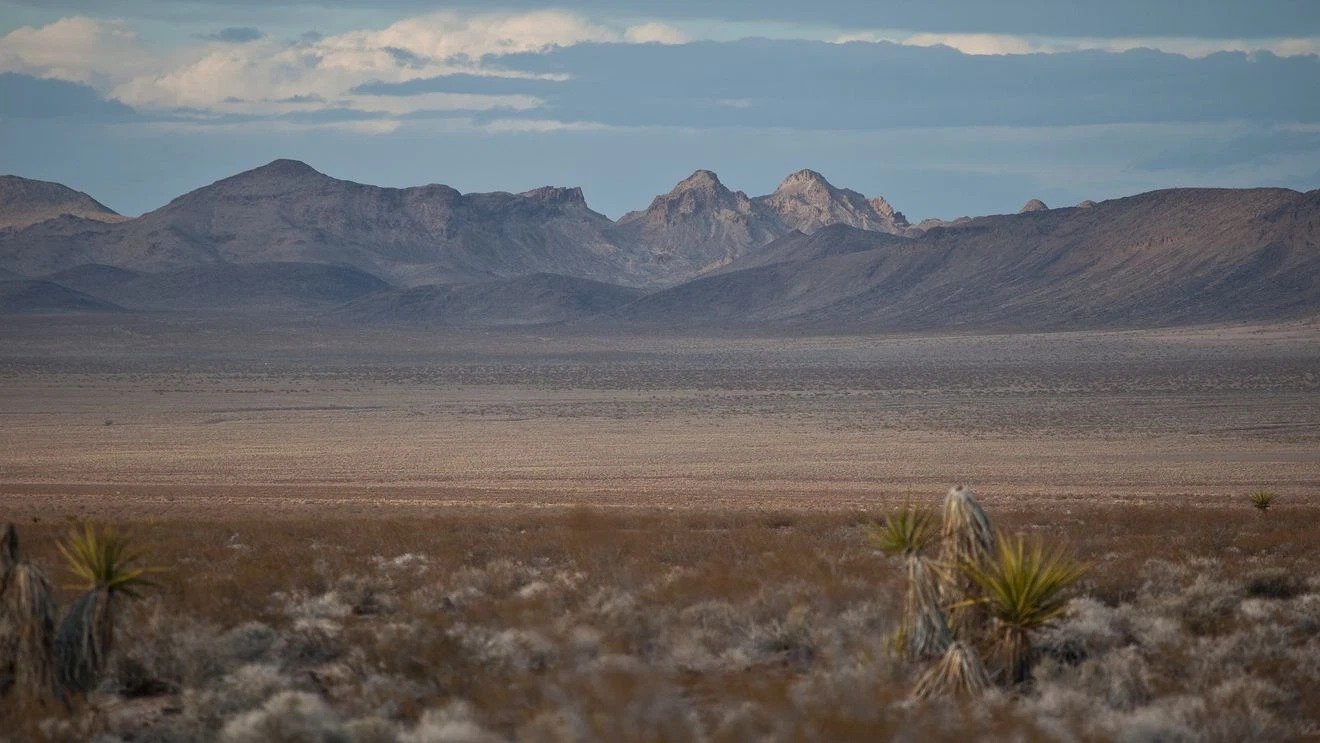
Under the legislation, an additional 9,290 acres will be added to the Sloan Canyon Conservation Area. This expansion strengthens the preservation of desert landscapes, including unique geological formations, wildlife habitats, and cultural sites. The combined focus on water security and conservation reflects a comprehensive approach to regional planning.
“Southern Nevada is at the epicenter of the climate crisis with rising temperatures and dwindling water resources,” said U.S. Rep. Dina Titus, D-Nevada. “Our precious water supply must be protected. The Horizon Lateral pipeline strikes an important balance between meeting community needs and preserving our natural environment.”
The Southern Nevada Water Authority has long sought solutions to address growing water demands. The region faces population growth, increasing urban development, and the impacts of prolonged drought in the western United States. The new pipeline aims to support these needs while safeguarding water reliability for residents and businesses.
The Horizon Lateral pipeline is designed to transport water safely beneath sensitive environmental areas, minimizing disruption to protected lands and natural habitats. By tunneling underground, the project avoids direct interference with surface landscapes, allowing conservation efforts to continue alongside essential infrastructure improvements.
Adding more land to the Sloan Canyon Conservation Area also provides benefits beyond environmental protection. Expanded public lands can offer recreation opportunities, cultural site preservation, and educational programs for residents and visitors. The legislation reflects an effort to balance infrastructure development with ecological stewardship.
Federal and local officials have highlighted the importance of water security for Southern Nevada, particularly in the context of climate change. Rising temperatures, shifting precipitation patterns, and increased urban water demands all create challenges for sustainable water management. The pipeline project is part of a broader strategy to adapt to these pressures and ensure the community remains resilient.
The bill passed the House with bipartisan support, signaling wide agreement on the importance of balancing water infrastructure needs with environmental protection. While the measure now moves to the Senate, proponents are optimistic that it will gain approval, allowing construction to proceed and providing long-term benefits for the region.
Once completed, the Southern Nevada water pipeline is expected to enhance system reliability, prevent potential disruptions, and secure water supplies for millions of residents. Local officials note that proactive investment in water infrastructure is critical to sustaining growth, supporting economic development, and protecting public health.
The project also aligns with regional conservation goals, ensuring that infrastructure development does not come at the expense of valuable natural areas. By tunneling beneath protected lands and expanding conservation acreage, the initiative demonstrates a commitment to responsible planning and environmental stewardship.
In addition to long-term benefits, the pipeline project will generate short-term economic opportunities, including construction jobs, engineering services, and environmental monitoring roles. These benefits provide both immediate and lasting impacts for communities in Southern Nevada.
Lawmakers stress that the combination of water security and conservation will help Southern Nevada adapt to ongoing climate challenges. Ensuring access to reliable water while preserving desert landscapes creates a sustainable framework for future generations, supporting both public needs and environmental priorities.
The passage of the Sloan Canyon Conservation and Lateral Pipeline Act represents a key milestone in Southern Nevada’s approach to water management. By addressing infrastructure vulnerabilities, protecting natural lands, and fostering long-term resilience, the project positions the region to meet both current and future challenges.