


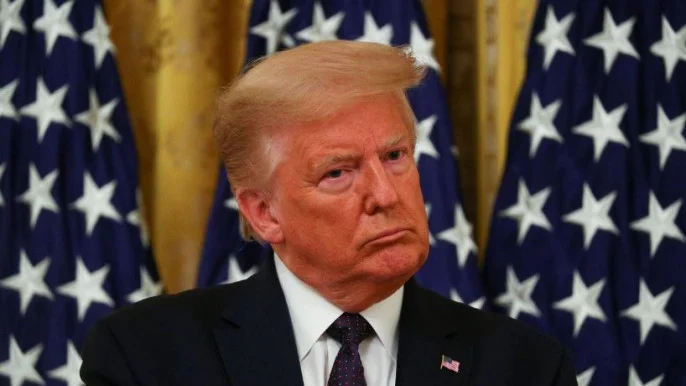
President Donald Trump has signed a new proclamation further restricting travel to the United States. The updated measures, set to take effect January 1, 2026, expand travel bans to a total of 39 countries, citing security concerns and recent global events.
The new rules impose total travel bans on nationals from Syria and several African nations, including Burkina Faso, Mali, Niger, and South Sudan. People holding travel documents issued by the Palestinian Authority are also now completely restricted from entering the US.
Sierra Leone and Laos, previously under partial restrictions, have been moved to full bans. Citizens of Afghanistan, Myanmar, Chad, the Republic of the Congo, Equatorial Guinea, Eritrea, Haiti, Iran, Libya, Somalia, Sudan, and Yemen were already under full bans imposed in June 2025. Combined with the Palestinian Authority, this brings the total to 19 countries under a full US travel ban.
In addition, partial travel bans now affect 19 countries, primarily from sub-Saharan Africa. These include Angola, Benin, Ivory Coast, Gabon, Gambia, Malawi, Mauritania, Nigeria, Senegal, Tanzania, Zambia, and Zimbabwe. Antigua and Barbuda, Dominica, and Tonga have also been added to the partial restrictions. Countries already under partial bans from June 2025—Burundi, Cuba, Togo, and Venezuela—remain restricted.
The travel restrictions apply to tourists, students, business travelers, and those seeking to emigrate to the United States. Exemptions exist for people who already hold valid visas, lawful permanent residents, and certain visa categories such as diplomats, athletes, and others whose entry serves US interests.
The White House cited multiple reasons for the expanded bans. Officials pointed to difficulties in vetting citizens of some countries due to “widespread corruption, fraudulent or unreliable civil documents, and criminal records.” They also noted high rates of visa overstays and refusal by certain governments to repatriate their citizens.
The recent expansion follows specific incidents that influenced Trump’s decision. In November, an Afghan immigrant was charged in the shooting of two National Guard troops. The administration temporarily halted asylum claims and suspended immigration processing for the initial 19 countries in response.
Tensions abroad also contributed to the decision. Earlier in November, Trump threatened military action against Nigeria, citing alleged persecution of Christians, a claim disputed by Nigerian authorities. Additionally, the president vowed “very serious retaliation” against Syria following the deaths of two US soldiers and an interpreter in an attack by a suspected Islamic State operative.
While immigration restrictions have been a hallmark of Trump’s presidency, this latest proclamation marks the largest expansion of US travel bans to date. Officials argue that the measures are necessary to protect national security and ensure public safety.
Critics of the policy, however, have raised concerns about the humanitarian impact, particularly on refugees and students. They argue that restricting access for large groups of people could disrupt education, business, and family reunification. Despite these concerns, the administration maintains that the restrictions are focused on security risks rather than nationality alone.
The new travel bans will require travelers from the affected countries to postpone or cancel plans unless they qualify for an exemption. Federal agencies, including the State Department and Homeland Security, are preparing to implement the restrictions and communicate guidance to affected travelers.
The proclamation underscores ongoing debates over immigration policy in the United States. Supporters praise it as a necessary measure to protect the country, while opponents argue it may strain international relations and harm vulnerable populations.
As the January 1, 2026, effective date approaches, US citizens and international travelers are advised to monitor official updates from the State Department. Travelers should verify visa requirements, exemptions, and any additional guidance related to the new travel restrictions.
The expansion of US travel bans reflects the Trump administration’s continuing focus on national security and immigration control. By targeting countries with perceived security risks, the administration aims to minimize threats while balancing exemptions for essential travelers and diplomatic considerations.