


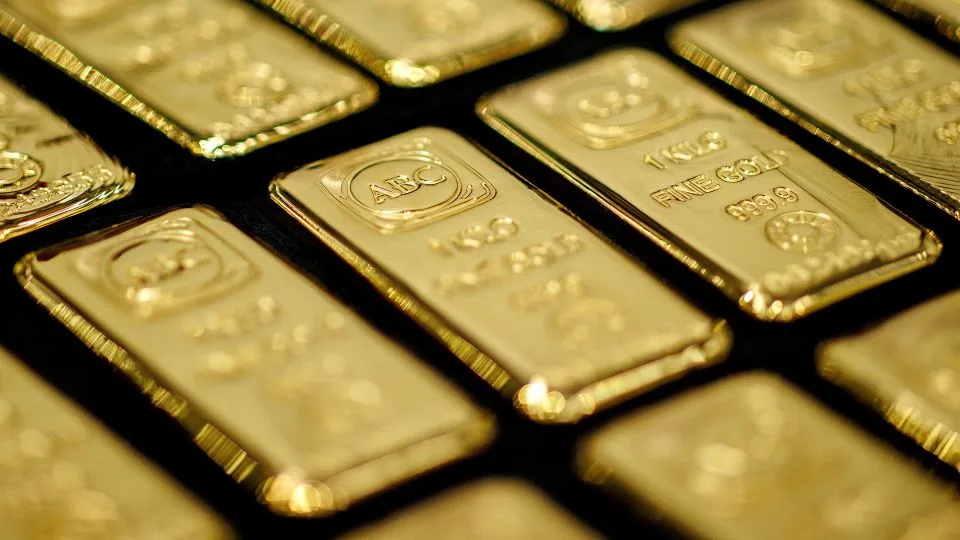
The gold market surge is making 2025 a record-setting year for the yellow metal. Gold futures in New York have climbed nearly 71% so far, putting the precious metal on track for its best annual performance in 46 years. The last time gold had such gains was during Jimmy Carter’s presidency, amid high inflation, a Middle East crisis, and an energy shortage.
Today, global uncertainty is driving investors toward gold. Tariffs affecting trade, Russia’s war in Ukraine, tensions between Israel and Iran, and U.S. oil seizures off Venezuela have heightened market risk. Gold is seen as a haven in times of geopolitical or economic instability.
“Uncertainty remains a defining feature of the global economy,” said Joe Cavatoni, senior market strategist at the World Gold Council. “Gold has become increasingly appealing as a strategic diversifier and a source of stability.”
Unlike bonds, gold does not pay interest, but falling yields from Federal Reserve rate cuts make it more attractive. Prices began the year around $2,640 per troy ounce and surged past $4,500 per troy ounce on Monday. Analysts at JPMorgan Chase predict gold could surpass $5,000 per troy ounce in 2026.
The 71% increase this year far outpaces the S&P 500, which has risen just 18%. In 2024, gold futures rose 27% while the S&P gained 24%. Expectations for future Fed rate cuts and a weaker U.S. dollar are boosting demand, as international investors can buy gold more affordably.
Consumers and gold jewelers are benefiting from rising prices, while countries are also increasing their gold holdings. Central bank purchases, particularly by China, are a major factor. China’s central bank aims to reduce reliance on U.S. assets like Treasury bonds and the dollar.
“The current wave of central-bank buying is different precisely because it is rooted in geopolitics,” said Ole Hansen, head of commodity strategy at Saxo Bank. The move follows Russia’s invasion of Ukraine in 2022, when Western governments froze Russian dollar-denominated assets. Countries like Russia and China are seeking ways to reduce exposure to U.S. policy decisions.
Global central banks have accumulated more than 1,000 tons of gold annually over the past three years, compared with 400 to 500 tons per year over the previous decade. This increasing demand has tightened available bullion supplies, adding upward pressure on prices.
Gold’s strong performance is mirrored by other precious metals. Silver futures have surged 146% in 2025, platinum futures rose nearly 150%, and palladium has gained 100%. Precious metals are increasingly seen as a hedge against global uncertainty.
Looking ahead, experts expect gold to continue rising. Limited bullion availability combined with ongoing central bank purchases may push prices higher. Concerns over government deficits and debt levels are also boosting demand, making gold an attractive safe haven for investors.
“As investors have become more aware of these risks, they have turned to gold for safety,” said Matt Maley, chief market strategist at Miller Tabak + Co. The metal’s resilience continues to attract attention amid global political and economic challenges.