

Fresh claims about Iran’s nuclear intentions have sparked global concern, with reports suggesting a possible shift in Tehran’s long‑standing position on nuclear weapons. The focus is now on whether Iran’s top leadership has approved work linked to nuclear warhead development.
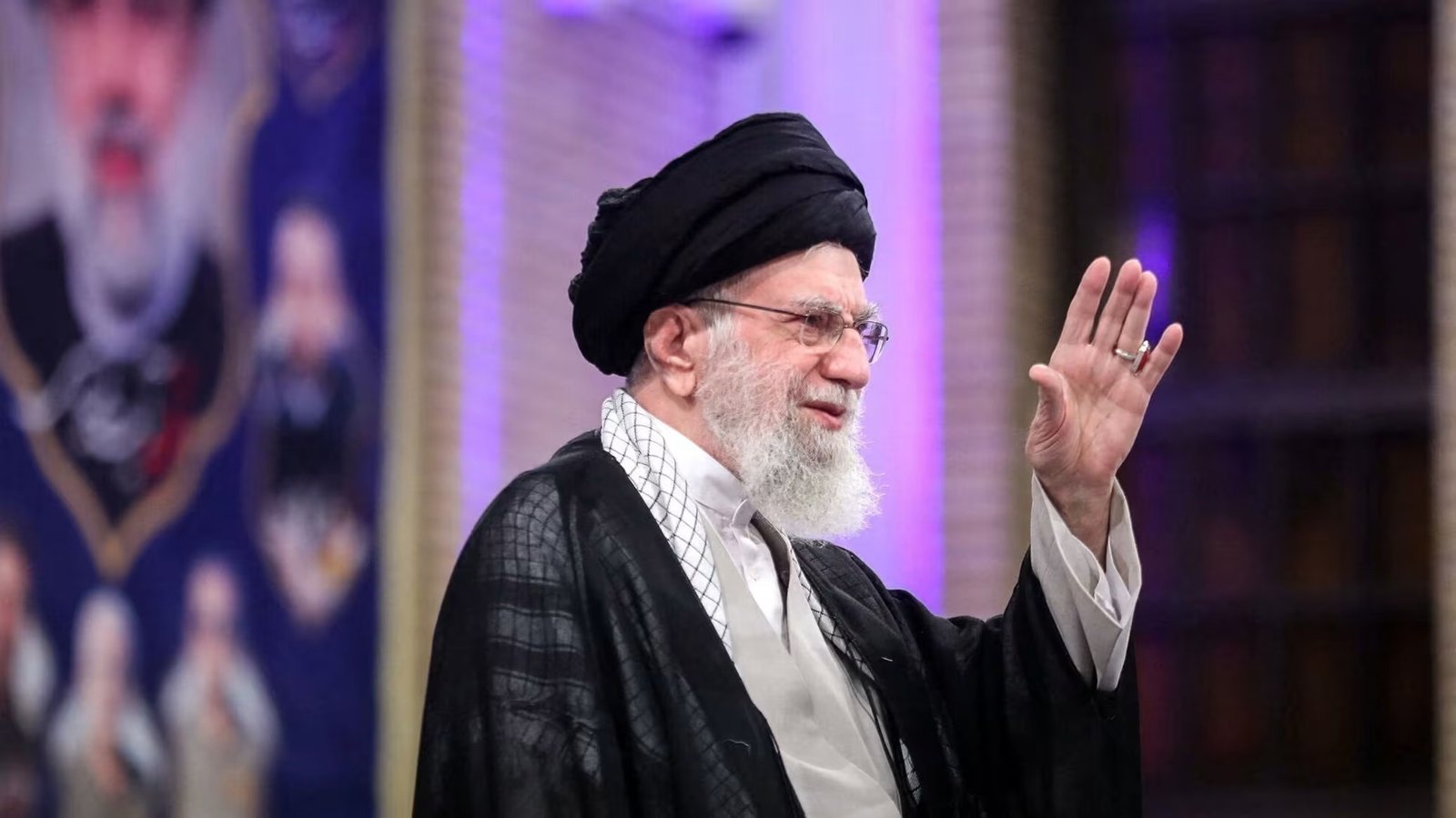
According to a Western research institute, Iran’s Supreme Leader Ayatollah Ali Khamenei may have approved the design of compact nuclear warheads that could be used on ballistic missiles. The report has triggered intense debate among security experts and policymakers worldwide.
The claims gained attention after comments from Behrouz Kamalvandi, spokesperson for Iran’s atomic energy body. He recently said that building a nuclear bomb is easier than building a nuclear power plant because it does not require fuel control systems. He also stated that Iran has reached the threshold of nuclear capability. These remarks raised alarm in Israel and Western countries.
An Italian research institute later reported that approval for compact nuclear warhead design was given in October. The report suggests the warheads could be fitted onto Iran’s existing missile systems. A UK‑based media outlet also cited sources confirming the findings. However, Iran has not officially confirmed or denied the report.
Analysts say pressure from senior figures within Iran’s powerful security forces may have influenced the decision. For years, these officials reportedly urged approval for nuclear weapons development. Khamenei had previously resisted such demands, citing religious and political concerns.
The situation appears to have changed after a brief but intense conflict between Iran and Israel in June. That 12‑day confrontation reportedly altered Tehran’s security calculations. Experts believe the conflict may have pushed Iranian leaders to reconsider deterrence options.
A key question now is Iran’s uranium enrichment level. The International Atomic Energy Agency has long stated that Iran possesses enough uranium enriched to 60 percent purity. Experts say this material could be enriched to 90 percent in a short time, which is the level needed for nuclear weapons.
However, current reports suggest Iran is focusing more on warhead design rather than uranium enrichment. Analysts believe Tehran may already have enough material and is now prioritizing weapon structure and delivery systems.
Iran has consistently denied seeking nuclear weapons. Officials say the country’s nuclear program serves peaceful purposes, including energy production and medical research. Tehran also argues that its activities fall within its rights under international agreements.
Despite these claims, international concern continues to grow. Western governments worry that any move toward weaponization could destabilize the Middle East. Israel views Iran’s nuclear progress as a direct threat to its security.
Diplomatic efforts to revive nuclear talks remain stalled. Trust between Iran and Western nations is low, and recent allegations have deepened skepticism. Experts warn that without transparency and dialogue, misunderstandings could escalate into conflict.
For now, the reports remain unverified, and Iran has stayed silent on the claims. The lack of official confirmation has not eased fears. Instead, it has fueled speculation and heightened global scrutiny.
As tensions rise, the international community is closely watching Tehran’s next steps. Whether these claims signal a real policy shift or remain unproven allegations could shape regional security and global diplomacy in the months ahead.