


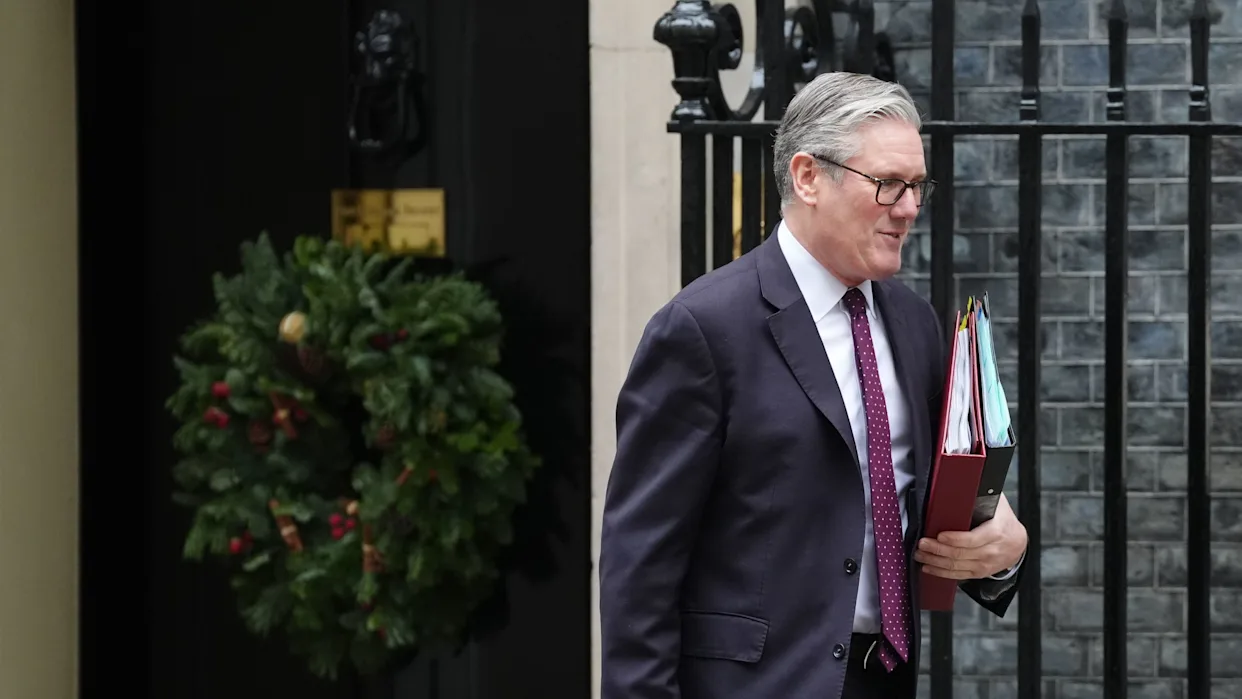
UK Prime Minister Keir Starmer is facing mounting criticism after the resurfacing of controversial social media posts by British-Egyptian activist Alaa Abdel Fattah. The backlash comes days after Starmer welcomed Abdel Fattah’s return to the UK following years of diplomatic efforts to secure his release from Egypt.
Abdel Fattah returned to Britain after Egypt lifted its travel ban, marking the end of a prolonged detention. However, old posts from 2010 emerged showing the activist calling for violence against Zionists and law enforcement. The content has been widely condemned, with opposition Conservatives demanding he be stripped of his UK citizenship and deported.
Starmer had publicly expressed his delight at Abdel Fattah’s return, tweeting that he was pleased the activist was reunited with his family. Following the revelations, he now faces calls to retract those comments.
A Foreign Office statement confirmed Abdel Fattah remains a British citizen and emphasized the UK government’s long-standing efforts under successive administrations to secure his release. It also condemned the historical posts as “abhorrent,” noting the government’s firm stance against such views.
Shadow Justice Minister Robert Jenrick of the Conservative Party said if the Prime Minister was unaware of Abdel Fattah’s past extremist posts, he should immediately retract his supportive comments. Jenrick urged the government to begin proceedings to revoke Abdel Fattah’s citizenship and deport him to Egypt.
Abdel Fattah became a prominent figure during Egypt’s 2011 Arab Spring uprising. He was detained in September 2019 and sentenced in December 2021 to five years in prison on charges of spreading false information. His imprisonment drew international criticism, with UN investigators deeming it a violation of international law. Campaigns were launched globally to secure his freedom.
During his detention, Abdel Fattah engaged in a hunger strike in March, while his mother also staged a prolonged hunger strike to advocate for his release. He was eventually pardoned by Egyptian President Abdel-Fattah el-Sisi, leading to his return to the UK.
The controversy highlights tensions in the UK regarding citizenship, free speech, and past actions of returning activists. Political analysts suggest the situation could lead to further scrutiny of government statements and policies concerning individuals who have been politically active abroad.
Starmer’s handling of the matter is being closely watched, as the opposition presses for accountability over the perceived endorsement of Abdel Fattah despite his historical posts. The incident underscores the challenges governments face in balancing human rights advocacy with public concern over extremist rhetoric.
As the debate unfolds, questions remain about whether Abdel Fattah will face legal or administrative measures related to his past social media activity, and how Starmer’s administration will navigate the political fallout.