

The capture of Venezuelan President Nicolás Maduro by U.S. forces has sent shockwaves from Caracas to Milwaukee, Wisconsin. Venezuelan officials report at least 56 security officers have died during the operation, highlighting the high stakes of the mission.
Maduro is now in New York, facing charges of narco-terrorism. In court, he denied wrongdoing, calling himself a decent man and the country’s president. The United States does not recognize him as Venezuela’s legitimate leader.
María Fernanda Bozmoski, a Venezuelan-American analyst at the Atlantic Council who lives in Wisconsin, said the arrest raises serious questions about the country’s future. She noted that over a quarter of Venezuela’s population has left in the past decade due to economic mismanagement, hyperinflation, and shortages of food and medicine. Many of these refugees now live in the United States, including Wisconsin.
“Everything is so fresh, and the dust has not settled. There are more questions than answers,” Bozmoski said. “Venezuela’s recovery will take decades. Our estimates show it could take 50 years to reach the GDP levels it once had, when it was one of the richest countries in the region.”
With Maduro detained, Vice President Delcy Rodriguez has assumed the role of interim president. Analysts warn that her leadership could create instability. “There is a real possibility of a power vacuum. Many of the remaining figures in the regime do not trust each other, and Rodriguez may face internal challenges,” Bozmoski said.
Rodriguez faces pressure both internally and externally. Domestically, she must maintain control and rally support while portraying the United States as the main enemy. Internationally, she must engage with the Trump administration and Secretary of State Marco Rubio while managing a delicate balance of diplomacy and deterrence.
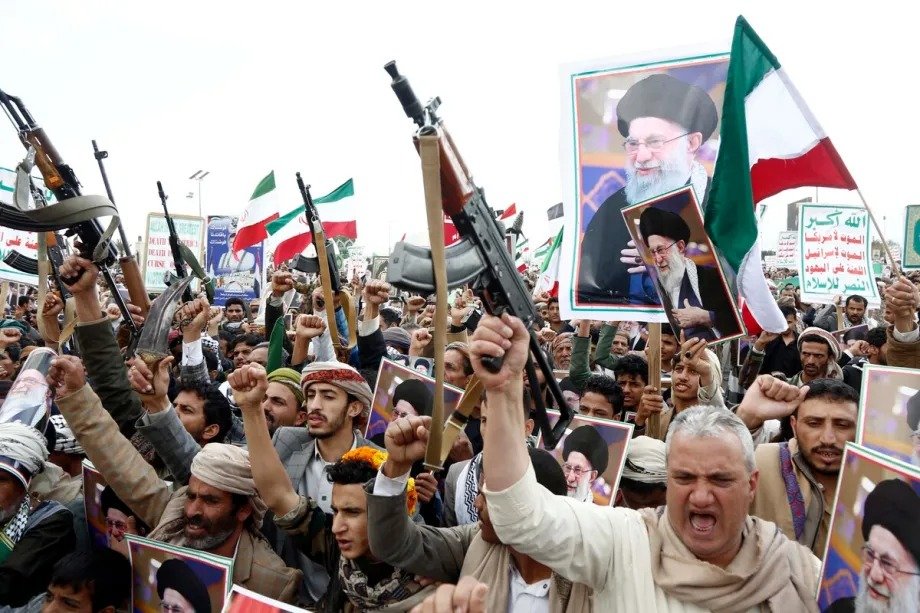
The arrest also carries wider global implications. Bozmoski said it sends a strong message to countries like Russia, Iran, China, Cuba, and Nicaragua that the United States is prepared to act in the Western Hemisphere. “It’s a wake-up call that the U.S. takes hemispheric security seriously,” she said.
Maduro’s capture follows years of disputed elections. He lost the 2019 election and again in 2024 but remained in power. U.S. officials say elections will eventually take place, but not in the near term. Bozmoski estimated it could be months or even years before Venezuelans vote for new leadership.
The situation also affects Venezuelans living abroad. In Wisconsin, the community is closely watching developments. Bozmoski noted that the capture of Maduro evokes both relief and anxiety among those who fled the crisis. Many families have personal connections to those still in Venezuela.
The arrest has also touched Milwaukee’s sports scene. Several players on the Milwaukee Brewers are Venezuelan nationals. They were reportedly in the country when Maduro was captured, drawing attention to how international events can resonate locally.
Beyond Venezuela, experts note that the arrest is part of a broader U.S. strategy to deter adversaries and maintain influence in Latin America. It demonstrates the country’s willingness to act decisively, even in complex geopolitical situations.
Locally and globally, Maduro’s arrest illustrates the intersection of international politics, migration, and community impact. For Venezuelans in Wisconsin and beyond, it is a moment of uncertainty, signaling potential change at home and a reminder of the U.S.’s strategic interests in the region.
As Venezuela faces an uncertain transition, analysts expect tensions to continue. The nation’s road to recovery is long, but the arrest has created a historic turning point with significant implications for governance, stability, and international relations.