


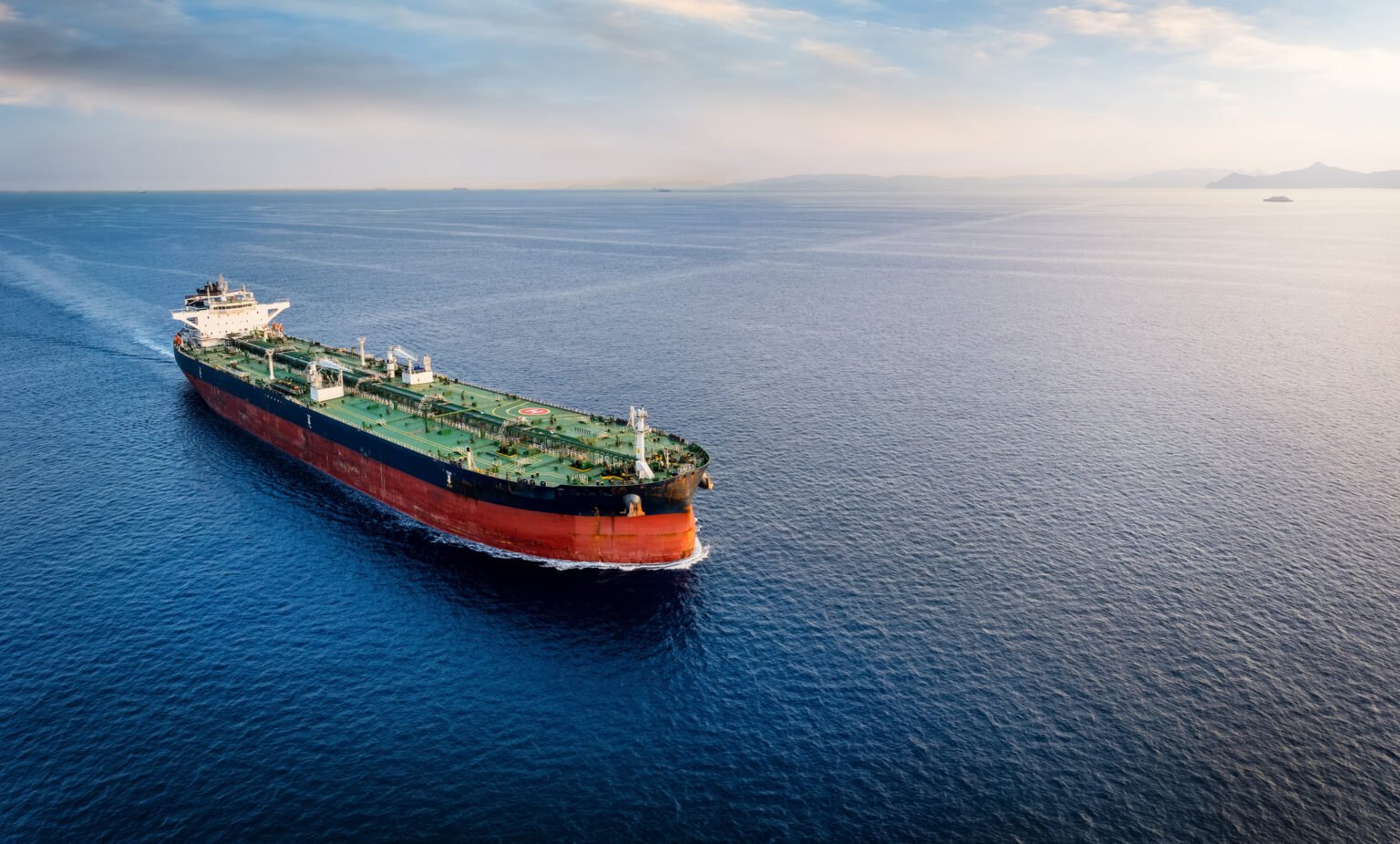
Tensions are mounting in the North Atlantic over an oil tanker now under Russian naval protection. The tanker, currently positioned between Iceland and the British Isles, has drawn attention from both the United States and Russia amid claims it may be violating sanctions by transporting Iranian oil. U.S. officials say the ship, which previously carried Venezuelan crude, is currently empty.
The vessel, formerly known as Belawan, has been renamed Marinera and now sails under the Russian flag. This change has raised new questions about its legal status and ownership. Last month, U.S. President Donald Trump announced plans to block sanctioned tankers traveling to Venezuela, a move the Venezuelan government labeled as theft.
According to two U.S. officials, Russia has deployed a submarine and other naval ships to escort Marinera. The U.S. Coast Guard had previously attempted to board the ship in the Caribbean after obtaining a seizure warrant, but the vessel changed course suddenly, heading toward Europe. Reports indicate that around ten U.S. military transport aircraft and helicopters were present during this movement.
Russian authorities say they are monitoring the situation closely. Their Foreign Ministry asserts that the Marinera is navigating international waters in the North Atlantic peacefully and within the bounds of international law.
Satellite and maritime tracking confirm that the tanker is roughly 300 kilometers south of Iceland. Analysts note that while ships flying a country’s flag are protected under that nation’s jurisdiction, simply changing a vessel’s name or flag does not alter its true identity, according to Dimitris Ampar Zidis, an analyst at maritime intelligence firm Kepler.
The situation comes shortly after the U.S. captured Venezuelan President Nicolás Maduro, a move that has heightened international tensions. Analysts warn that sanctioned tankers switching to Russian flags could escalate into larger political or military confrontations in the future.
For now, Marinera remains under Russian escort as both Washington and Moscow carefully monitor its movements. The episode highlights the growing intersection of geopolitical maneuvering, maritime law, and the global oil trade, with potential consequences for regional stability and international relations.