


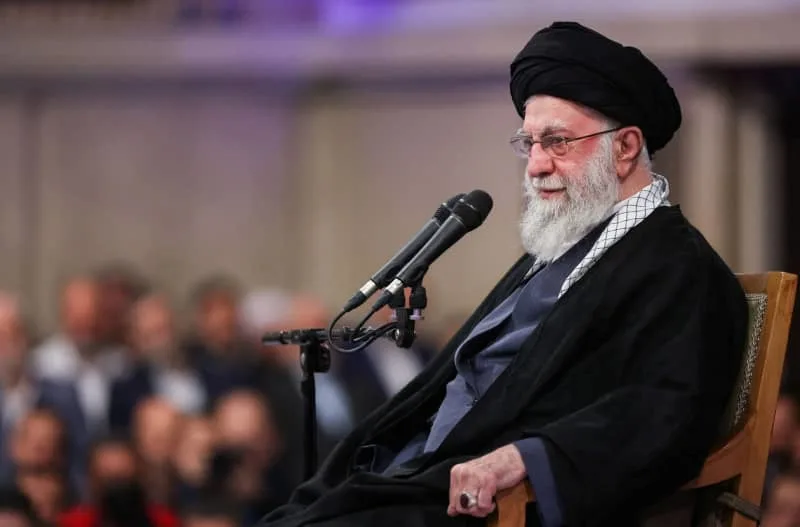
Amid growing global attention on Venezuela, another potential flashpoint is emerging in Iran. Western intelligence reports indicate that Iran’s Supreme Leader, Ayatollah Ali Khamenei, may have a contingency plan to leave the country if domestic unrest spirals out of control.
According to a report cited by Western media, Khamenei could seek refuge in Moscow, with Russian authorities potentially assisting his safe passage. The plan would involve a small, trusted group of up to 20 people, including his son and possible successor, Mostafa Khamenei. Preparations reportedly include a secured exit route, ready access to cash and assets abroad, and rapid evacuation procedures.
The report suggests that this plan would be activated if Iran’s security forces fail to control protests or if cracks appear in loyalty toward Khamenei. The intelligence assessment also points to the Supreme Leader’s declining physical and mental health, reportedly worsened following a 12-day conflict with Israel in June. Analysts describe him as highly suspicious and paranoid, which may motivate preemptive planning for personal safety.
Despite these concerns, the report notes Khamenei’s pragmatic streak. While ideologically strict and uncompromising, he is described as strategically realistic, willing to adjust tactics and make compromises to achieve long-term objectives. He reportedly sees himself as a long-term player in Iran’s political landscape, balancing ideological rigidity with practical survival strategies.
The potential escape plan underscores the pressures facing Iran’s political structure amid ongoing domestic unrest, economic challenges, and public protests. Analysts suggest that the existence of such a contingency highlights vulnerabilities within the country’s power hierarchy.
The mention of Mostafa Khamenei’s inclusion in the plan raises questions about succession planning. Observers are debating whether this is a signal toward future leadership or merely a precautionary measure for emergencies.
As political and economic tensions persist in Iran, global attention remains fixed on how these contingency measures could influence the country’s stability. The intelligence report has renewed scrutiny on Iran’s internal dynamics and potential shifts in leadership strategy, offering a rare glimpse behind the curtain of the country’s complex political landscape.
In the coming months, analysts will be watching closely to see whether Khamenei’s rumored preparations are acted upon, and what this could mean for both domestic politics and international relations.