

Protests over rising living costs and inflation in Iran have entered their third week, evolving from economic grievances to direct political demands. In response, the Iranian Revolutionary Guard Corps (IRGC) declared a “red line” signaling strict action to protect the Islamic Revolution and public safety.
In a statement aired on state television on January 10, the IRGC warned that it would stand with the Iranian people until local security is fully ensured. The statement emphasized that the ongoing unrest is unacceptable and that the Guard is prepared to respond forcefully to any threats against national stability.
The announcement follows a period of escalating violence in several cities, with reports of attacks on military and law enforcement checkpoints over the past two nights. According to the IRGC, these incidents have resulted in casualties among both security personnel and civilians.
The Iranian regular military also issued a statement, highlighting its role under Supreme Leader Ayatollah Ali Khamenei. Officials said the army will actively protect key infrastructure and public property, ensuring the safety of citizens amid the unrest.
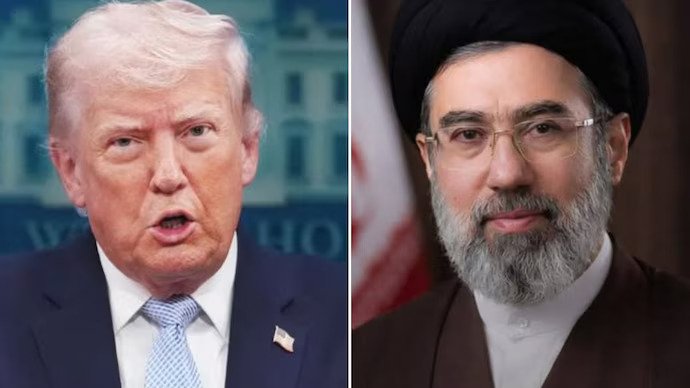
The declaration by the IRGC and the military came just one day after U.S. President Donald Trump issued a warning to Iranian leaders. Trump indicated that any use of force against protesters could trigger a strong response from the United States. U.S. Secretary of State Marco Rubio also expressed support for the Iranian people, describing them as “courageous” in their protests.
Despite the warnings, demonstrations continued on the night of January 9 across cities including Siraj, Qom, and Hamedan. State media broadcast coverage of funerals for security personnel killed during clashes, signaling the human toll of the unrest.
Authorities emphasized that the red line is intended to protect both the nation and its citizens, while preventing foreign interference in Iran’s internal affairs. Officials warned that any attacks or attempts to destabilize the country will be met with firm resistance.
The protests highlight growing dissatisfaction over economic conditions and political grievances, with demonstrators now demanding systemic reforms. Meanwhile, the government and military maintain that national security, public property, and citizen safety remain their highest priorities.
Observers say the situation remains volatile, with the IRGC and military closely monitoring developments. Analysts note that the Guard’s red line declaration could lead to intensified enforcement measures, raising concerns about further clashes between protesters and security forces.
Iran’s evolving protests reflect a tense standoff between citizens seeking change and the government’s determination to uphold control, with international attention focused on the country’s response and the potential for escalation.