

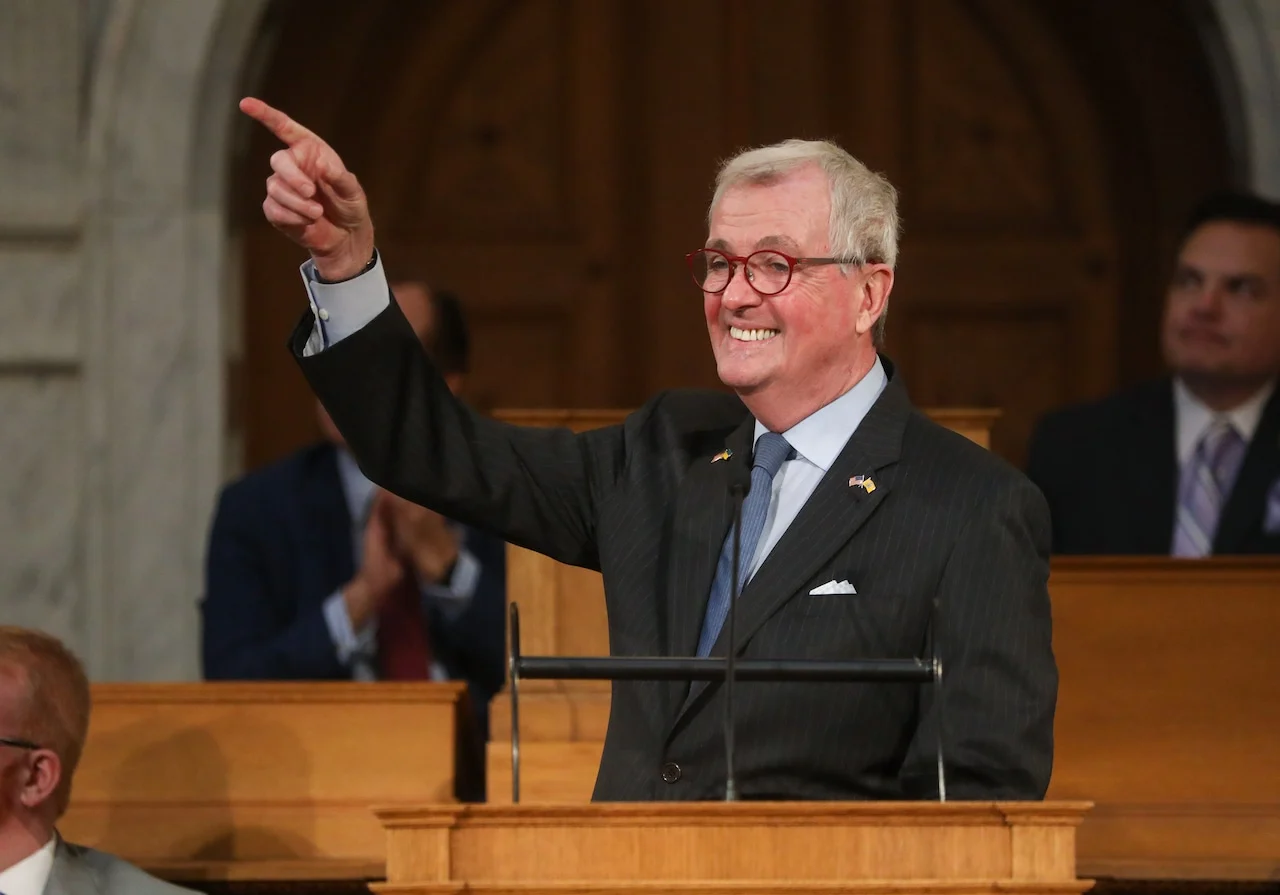
New Jersey Governor Phil Murphy delivered his final State of the State address on Tuesday, marking the end of his eight years in office. Speaking inside the Assembly chambers, Murphy reflected on his record, his values, and what he believes will define his time as governor. When his term ends on January 20, he plans to step away from public life and begin a long vacation in Europe.
Murphy told lawmakers and guests that New Jersey is now stronger and fairer than when he took office in 2018. He said this idea defines his legacy. The governor used the speech to highlight major changes made during his administration. Unlike earlier years, he did not focus on new policy plans. Instead, he looked back on what he described as a meaningful and lasting impact.
In his hour-long speech, Murphy spoke about leaders who inspired him. He mentioned figures from the civil rights era and quoted past presidents. He said their values shaped his approach to leadership. Murphy pointed to policies that expanded worker protections and social services. These included a higher minimum wage, restored funding for women’s health care, and higher taxes on wealthy residents to support state programs.
Murphy leaves office with mixed public support. Polls show more residents view him negatively than positively, though many hold no strong opinion. While he is the most progressive governor in state history, not all Democrats are satisfied with his record. Some party members criticized changes to campaign finance rules and public records laws. Others opposed his strong support for his wife’s unsuccessful Senate bid, which sparked backlash and internal party conflict.
During his address, Murphy also spoke about national politics. He criticized the tone and impact of recent years, including court decisions that changed abortion rights and the events of January 6. He expressed sympathy for families affected by political violence and honored a New Jersey officer who died after the Capitol attack. At the same time, Murphy said he worked with both major party presidents when possible.
He stressed that cooperation remained a priority, even during tense times. Murphy said his administration sought common ground when it helped the state. Still, he noted that New Jersey often challenged federal actions in court. He said these legal battles were meant to protect residents and state authority, and he claimed the state often succeeded.
The governor may be remembered most for leading New Jersey through the COVID-19 pandemic. Many residents credit him with steady leadership during that crisis. However, his record also includes controversy. State-run veterans homes suffered high death rates, which later drew federal criticism. These events remain a painful chapter of his time in office.
Murphy left some major issues out of his speech. He barely mentioned immigration, despite it being a major national topic. He also did not focus on the legalization of cannabis, a long and difficult process during his first term. Lawmakers recently sent him several bills related to immigration enforcement, but it remains unclear which he will sign before leaving office.
He did, however, compare the state’s finances before and after his term. Murphy said New Jersey needed a turnaround when he took office. He pointed to multiple credit rating upgrades during his tenure after years of downgrades. He also highlighted efforts to rebuild the film and television industry, which brought major studio projects and new jobs to the state.
Not all economic goals were met. Unemployment is higher now than when Murphy began his first term. This remains a concern for many residents. Still, Murphy said progress in other areas showed steady improvement.
One of his proudest second-term achievements is a law that limits phone use in schools. Supporters say it helps student focus and mental health. Murphy also voiced support for stronger limits on youth access to social media, calling it a difficult but necessary discussion.
Murphy will hand power to Governor-elect Mikie Sherrill next week. He leaves office as the first Democratic governor in decades to win reelection. Despite past national attention, Murphy said he has no plans for higher office. He said he intends to step away quietly, leave the keys behind, and begin the next chapter of his life abroad.