

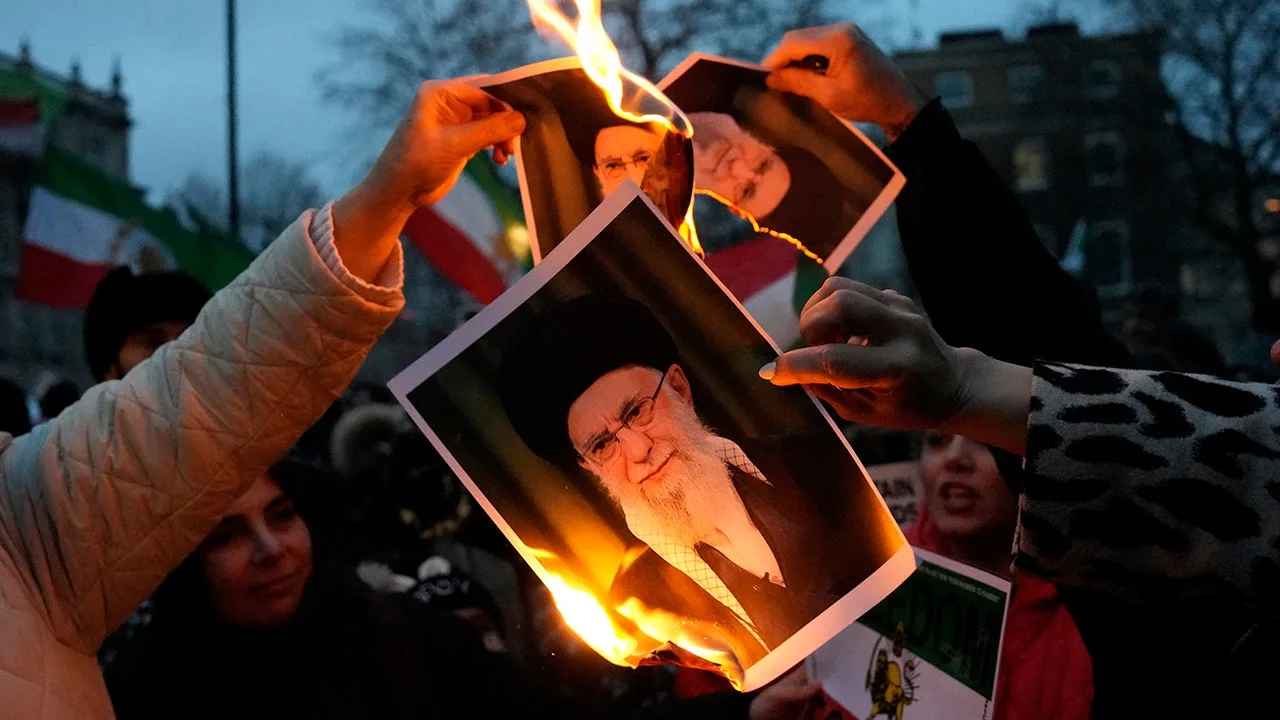
Iranian security forces have escalated their response to nationwide protests by using live ammunition, dramatically increasing casualties, according to a doctor who fled the country. The doctor, speaking to the Center for Human Rights in Iran (CHRI), stated that the change occurred days after demonstrations began on December 28, 2025.
Initially, law enforcement relied on pellet guns. The doctor described receiving multiple daily calls about pellet injuries, including shots to the head, scalp, and back. However, on January 8, the situation shifted dramatically. Authorities imposed nationwide internet blackouts and communication cuts, coinciding with a sharp rise in gunshot injuries.
“From about 8:10 to 8:20 pm, the sound of bullets, gunfire, screams, and sporadic explosions could be heard,” the doctor said. “When I arrived at the hospital, the nature of the injuries had changed completely. Shots from close range caused injuries leading to death.”
Human rights groups report thousands of deaths, with some estimates placing the toll above 3,000. The protests, initially fueled by rising prices and inflation, quickly grew into broader anti-government demonstrations.
The doctor said medical calls shifted from pellet injuries to severe gunshot wounds. Victims ranged from teenagers to elderly men, with some so badly injured that their bodies were unrecognizable. In Isfahan, a major protest hub, streets were reportedly stained with blood, with trails extending for several meters.
“During one night shift, eight bodies arrived with gunshot wounds to the face,” the doctor said. “Many bodies are not identifiable at all.”
The doctor also reported hearing heavy machine gun fire during night shifts, identifying weapons including DShK and PK machine guns, as well as Kalashnikov rifles. “The trauma cases I saw were brutal, shoot-to-kill,” he said.
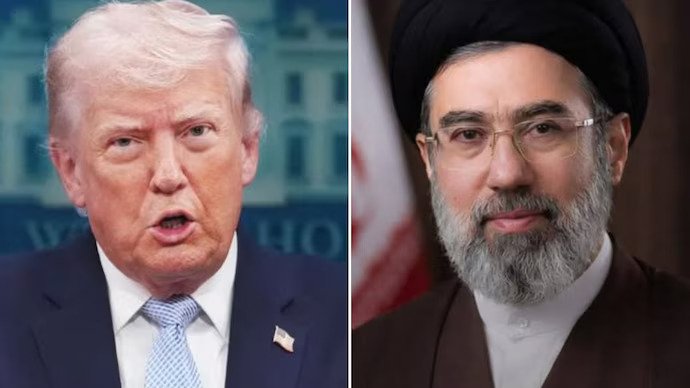
The crackdown has drawn international attention. U.S. President Donald Trump voiced support for Iranian protesters, urging them to “take over” institutions while canceling all meetings with Iranian officials until the violence ends.
The protests continue amid growing anger over economic hardship, unemployment, and political repression. Observers say the escalation to live fire signals a harsh new phase of the Iranian government’s response to civil unrest.
Iranian hospitals are reportedly overwhelmed by the surge in casualties, with staff struggling to treat severe gunshot injuries while maintaining operations under constant threat. The doctor warned that the level and intensity of violence increased steadily in the days following the internet shutdown, with civilians targeted in public spaces.
Observers note that the use of military-grade weapons, including automatic rifles and heavy machine guns, indicates coordination by elite units of the Islamic Revolutionary Guard Corps (IRGC). This escalation has raised alarm among human rights advocates, who fear further mass casualties if the crackdown continues.
As protests persist, international organizations are calling for immediate investigation and intervention to protect civilians. Meanwhile, reports from inside Iran suggest that ordinary citizens continue to face extreme risks for participating in demonstrations, with authorities increasingly targeting both protestors and medical personnel providing aid.
The doctor’s account underscores the growing humanitarian crisis in Iran, as thousands risk their lives in ongoing anti-government protests while facing a heavily armed and lethal security apparatus.