
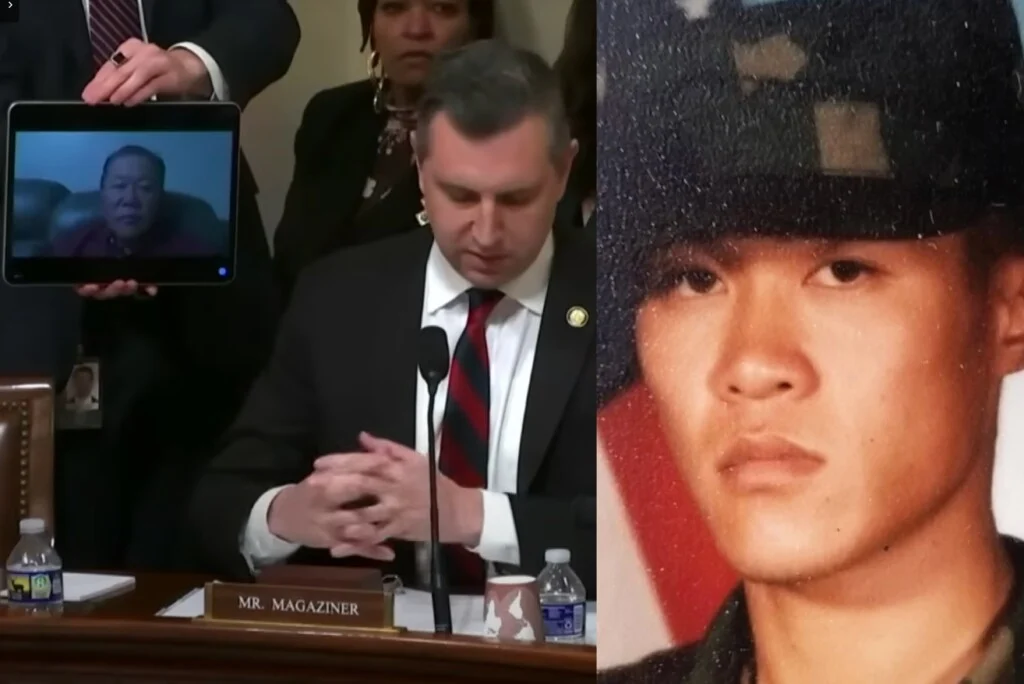
A decorated U.S. Army veteran who spent most of his life in Hawaii is asking for a second chance to come home. Sae Joon Park, a Purple Heart recipient, was forced to self-deport to South Korea last summer after his legal status in the United States was revoked.
Park moved to South Korea, a country he had not lived in since childhood. He left behind family, friends, and a life built over more than fifty years in Hawaii. His case has drawn attention because of his military service and long ties to the United States.
Park received the Purple Heart for wounds suffered during his service in the U.S. Army. Despite his service, his green card was taken away due to criminal convictions from 2009. Those convictions included a drug offense and bail jumping in Queens, New York.
For many years, Park was allowed to remain in the United States under a deferred action program. This program let him stay despite his criminal record. During that time, he lived quietly in Hawaii and worked to rebuild his life. His attorneys say he showed clear signs of rehabilitation and followed the law.
That changed last year when the deferred action program ended. U.S. immigration officials informed Park that he could no longer stay in the country. Instead of being forcibly removed, he was instructed to self-deport. Facing no other option, Park left the United States and traveled to South Korea.
Park had not lived in South Korea since he was seven years old. He has said the move has been deeply painful. Hawaii was the only home he truly knew. His sudden removal separated him from his support system and daily life.
Now, Park’s legal team is working to bring him back. His attorneys have submitted a request for a full pardon from New York Governor Kathy Hochul. The request focuses on Park’s military service, his personal growth, and the time that has passed since his convictions.
His attorney explained that a pardon could change everything. If the governor grants a pardon for the bail jumping conviction, his immigration case could be reopened. A court could then consider canceling the deportation order. That step could allow Park to seek restoration of his green card.
The legal team says they are hopeful. They believe the governor will carefully review Park’s history and past decisions on similar cases. They point to Park’s service record and the progress he made while living in Hawaii as strong reasons for mercy.
Clearing the conviction through a pardon would remove a major barrier. It would give Park a chance to legally return to the country he served and called home for decades.
At the same time, Park’s lawyers in Hawaii are pursuing another legal option. They have asked the Queens County District Attorney’s office to reduce one of Park’s felony convictions to a misdemeanor. If approved, that change could also help his immigration case.
The legal process is slow, and no decision has been announced yet. Still, supporters say both efforts show that Park is using every lawful path available to return home.
In a written statement, Park thanked those who have supported him since his departure. He said the encouragement has helped him endure one of the hardest periods of his life. He also expressed deep gratitude to his legal team for their daily work on his behalf.
Park’s case highlights the complex link between criminal law, immigration policy, and military service. Supporters argue that his record as a veteran and his long rehabilitation deserve special consideration. Critics say immigration law leaves little room for exceptions.
For now, Park remains in South Korea, waiting for a decision that could determine his future. His hope is simple. He wants to return to Hawaii, reunite with loved ones, and continue the life he built over more than half a century.