


Illinois has joined eleven other states in a major legal fight against the Trump administration. The case challenges a federal move that could block large amounts of grant money from states that do not follow new rules on sex and gender.
The lawsuit centers on an executive order signed by President Donald Trump on the first day of his second term. The order directs federal agencies to recognize only sex assigned at birth. It rejects gender identity and calls it invalid under federal policy.
The administration says states must follow this definition to qualify for federal grants. These grants flow through the U.S. Department of Health and Human Services. They support health education in public schools, medical research, and training programs for health workers. Many of these programs focus on rural care, addiction treatment, and senior health.
State leaders warn that the policy could put hundreds of billions of dollars at risk. They argue that the order forces states to choose between following their own laws or losing critical funding.
Illinois law allows residents to change the sex listed on their birth certificate. A signed statement is enough to affirm a gender designation or intersex status. Other states in the lawsuit have similar policies that recognize gender identity.
In court filings, the states describe the funding condition as unclear and new. They argue that Congress approved the funding without any requirement to exclude people based on gender identity. Because of that, they say federal agencies cannot add new rules on their own.
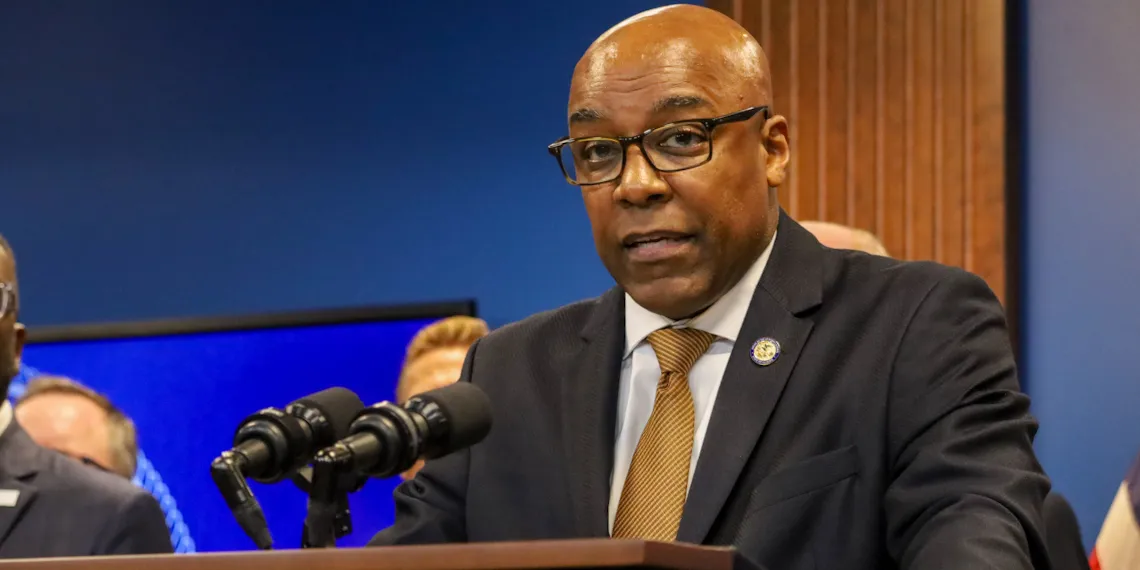
Illinois Attorney General Kwame Raoul says the policy is meant to pressure states into discrimination. He argues that the order targets transgender people and tries to erase their legal recognition. He also says every person should be able to live in line with who they are.
The order also tells federal agencies to remove policies that recognize gender identities beyond sex at birth. Agencies are instructed to take all legal steps to end funding for programs that use broader definitions of sex and gender.
The states argue that this goal is clear. They say the intent is to exclude transgender, intersex, nonbinary, and gender diverse people from public life and services.
Health funding rules already require states to follow Title IX. This law bans sex discrimination in federally funded education programs, including school sports. The states say the new policy goes much further. It forces them to follow the executive order as well, even though Congress never approved it.
State officials also warn about legal risks. Because the order is vague, they say states could face civil or criminal penalties under the False Claims Act. That law punishes groups that submit false information to receive federal funds. States say they do not know how to comply without risking legal trouble.
The lawsuit also points to conflicts within federal policy. Some federal health guidance has recognized that sex discrimination can include gender identity. States say the new rule contradicts those past interpretations.
For Illinois, compliance would also violate state law. The Illinois Human Rights Act bans discrimination based on gender in jobs, housing, and schools. State leaders say they cannot follow a federal rule that breaks state protections.
The states are asking the court to block the policy and declare it unlawful. They want to stop enforcement before funding losses begin.
This lawsuit fits a wider pattern. The Trump administration has repeatedly threatened to withhold funds from states that oppose its policies. Many of those states are led by Democrats.
Illinois has joined other legal actions in recent months. One case challenged orders blocking gender affirming care for young people. Another targeted threats to Medicare and Medicaid funding for hospitals that provide such care. A court paused that policy while the case continues.
Illinois has also sued over immigration enforcement. State officials say federal actions in the Chicago area aim to force changes to state immigration laws. In a past case, a judge ruled it was unconstitutional to block disaster aid over policy disagreements.
Despite ongoing legal fights, the administration has shown it will act on funding threats. This week, it cut about two billion dollars in grants nationwide. The money supported nonprofit health programs for addiction, homelessness, and mental health. Federal officials said the programs no longer matched administration priorities.
As the Trump Gender Funding Lawsuit moves forward, the outcome could reshape how federal money is tied to social policy. For now, states like Illinois say they will continue to fight to protect their laws and residents.