


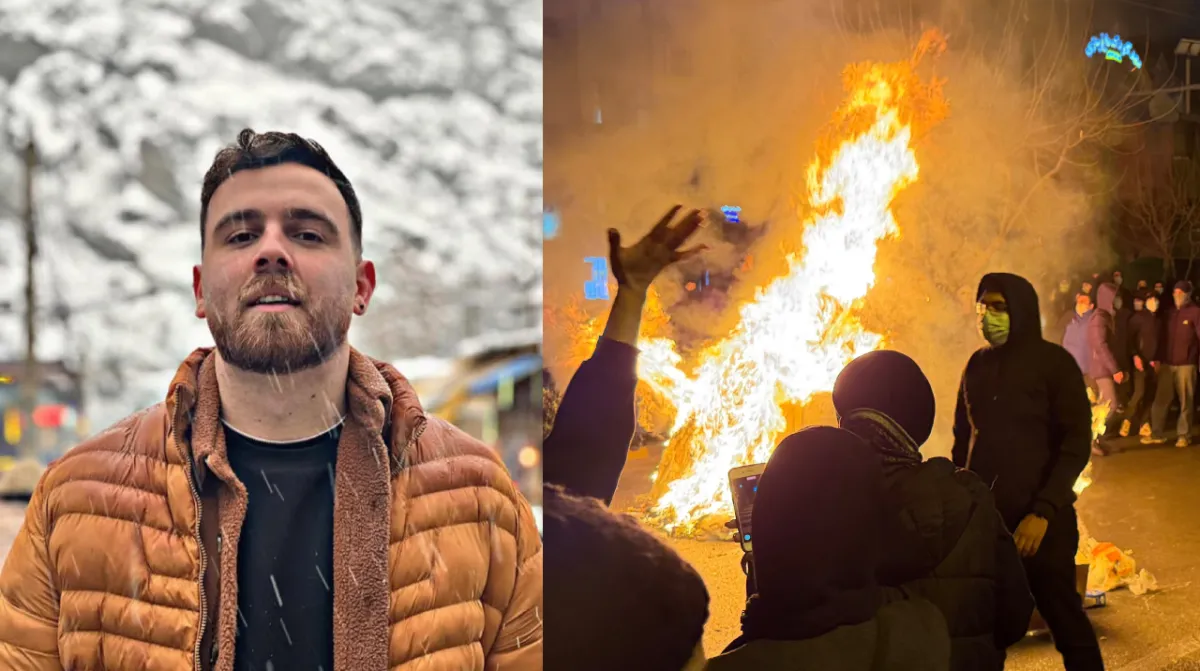
Erfan Soltani, a 26-year-old Iranian protester, was facing a death sentence for allegedly participating in nationwide anti-government demonstrations. He was arrested from his home in Fardis city, west of Tehran, during protests sparked by economic crises, rising living costs, and currency devaluation.
His arrest quickly drew international attention. Within days, his family and human rights organizations were informed that his execution was scheduled, prompting widespread condemnation. U.S. President Donald Trump has stated that Iran has temporarily postponed carrying out the sentence.
According to human rights groups, Soltani was not allowed to meet a lawyer, see formal charges, or appeal. Even his sister, a licensed attorney, was denied access to case documents. Reports suggest that he has had no contact with his family since his arrest.
CNN cited a relative, who asked not to be named, saying Soltani is kind and deeply committed to freedom for the Iranian people. The family and activists argue that his trial violated Iran’s legal standards and was extraordinarily brief.
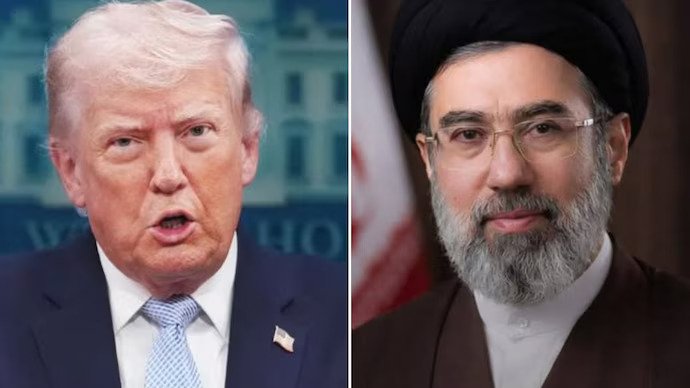
The suspension of the death sentence comes amid rising tensions between Washington and Tehran. Trump warned that executing protesters could trigger a harsh U.S. response and called on Iranians to continue demonstrations.
Iranian authorities have yet to confirm Trump’s claims. Human rights organizations report that at least 2,417 protesters have been killed so far, including 12 children and 10 unarmed civilians, while around 18,434 people have been arrested. Security forces have also suffered casualties.
Erfan Soltani’s case highlights ongoing human rights violations in Iran, where authorities have reportedly used executions as a tool of intimidation. Similar cases have followed the 2022 “Women, Life, Freedom” movement, which erupted after Mahsa Amini died in police custody.
The current protests span over 180 cities in 31 provinces, evolving from economic grievances to calls for political change, marking the largest challenge to the Islamic Republic since 1979.
Human rights organizations continue to demand international scrutiny to prevent further unlawful executions and protect detainees like Erfan Soltani.