

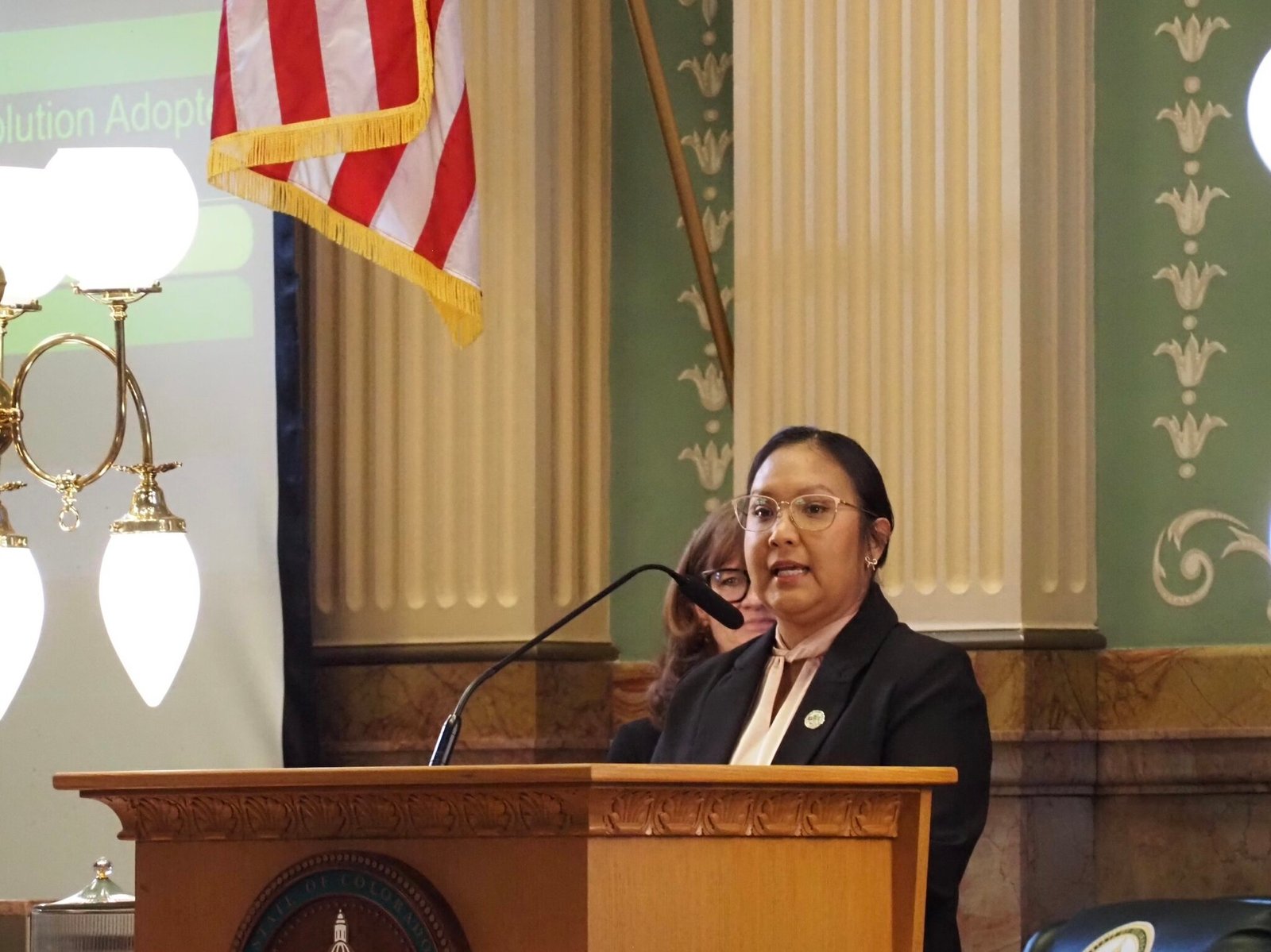
Colorado Tribal Collaboration remains a key focus for leaders of the state’s two federally recognized tribes. On Friday morning, tribal leaders spoke directly to state lawmakers. They called for stronger cooperation and regular talks on laws that affect tribal nations.
Leaders from the Southern Ute Indian Tribe and the Ute Mountain Ute Tribe addressed the Legislature at the start of the new session. This yearly meeting allows tribes to share goals, concerns, and progress. Both reservations are located in the far southwest of the state. Together, they are home to about 3,600 enrolled members.
Southern Ute Chairman Melvin Baker told lawmakers that relations between states and tribes are often tense across the country. He said Colorado has taken a better approach. He described the state’s path as one built on trust, consultation, and shared work. He stressed that this approach must continue and grow stronger.
Baker explained that tribes want to be involved earlier in the lawmaking process. He said tribal voices should be heard before policies are finalized. This helps avoid conflict and builds respect. He added that cooperation benefits both tribal nations and the state as a whole.
Ute Mountain Ute Councilmember Marilynn House also spoke about the need for steady communication. She said lawmakers usually try to consult tribes. Still, she noted that the process is not always consistent. In some cases, tribes learn about policies too late to shape them.
House said open communication should be a basic right for tribes. She pointed to the long history of broken promises and treaties. She said regular meetings with lawmakers would help heal past harm. She added that true progress comes when tribes are treated as equal partners.
House praised several recent laws that she said show progress. One law expanded voting access for tribal members. It allows the use of tribal identification cards to register to vote. It also requires ballot drop boxes on reservation land if tribes request them. She said this law helped tribal members take part in state elections and gain fair representation.
She also highlighted a law that gives tribal members free access to state parks. She said the policy respects tribal ties to the land. However, she noted that the law is now part of a legal dispute. A tribe based in another state claims historic rights to hunt, fish, and access those lands. That case is still ongoing.
Baker used part of his speech to raise concerns about environmental safety. He spoke about a major gasoline spill on tribal land that happened more than a year ago. Nearly 97,000 gallons of fuel leaked from a damaged pipeline in December 2024. It was the largest spill in the state since 2016.
Baker said gasoline remains in the groundwater. He warned that this poses risks to public health, wildlife, and cultural sites. He also said the spill could affect the Animas River and people living downstream. He called on the state to do more to support cleanup efforts.
He argued that the response has been too slow and limited. He said the state has not provided enough resources. He added that a faster response would likely happen if the spill occurred in a more populated area. Federal officials have since agreed to work with the tribe and the state on a cleanup plan.
Baker also discussed an ongoing dispute over sports betting. He said the tribe believes it has the right to operate an online sportsbook without a state tax. The state disagrees. Voters approved sports betting in 2019. The tribe sued in 2024, but a federal judge later ruled that the state cannot be sued in this case. Talks between the tribe and the state are now ongoing.
Baker ended by stressing the importance of trust. He said strong agreements depend on mutual respect. He urged lawmakers to honor commitments and work closely with tribes. He said real progress comes when cooperation is consistent, fair, and honest.