

The US military has placed about 1,500 active-duty soldiers on standby for possible deployment to Minnesota. The move comes as protests continue in Minneapolis and state leaders prepare National Guard forces to support public safety.
Defense officials say the order does not mean troops will be sent right away. The soldiers are being told to prepare in case the president decides to act. Such planning is standard practice, officials say, whenever unrest raises security concerns.
The troops come from two battalions of the 11th Airborne Division based in Alaska. They are under prepared-to-deploy orders and could be sent if federal leaders request support. Their role, if activated, could include crowd control or helping local law enforcement, similar to past deployments during civil unrest in other US cities.
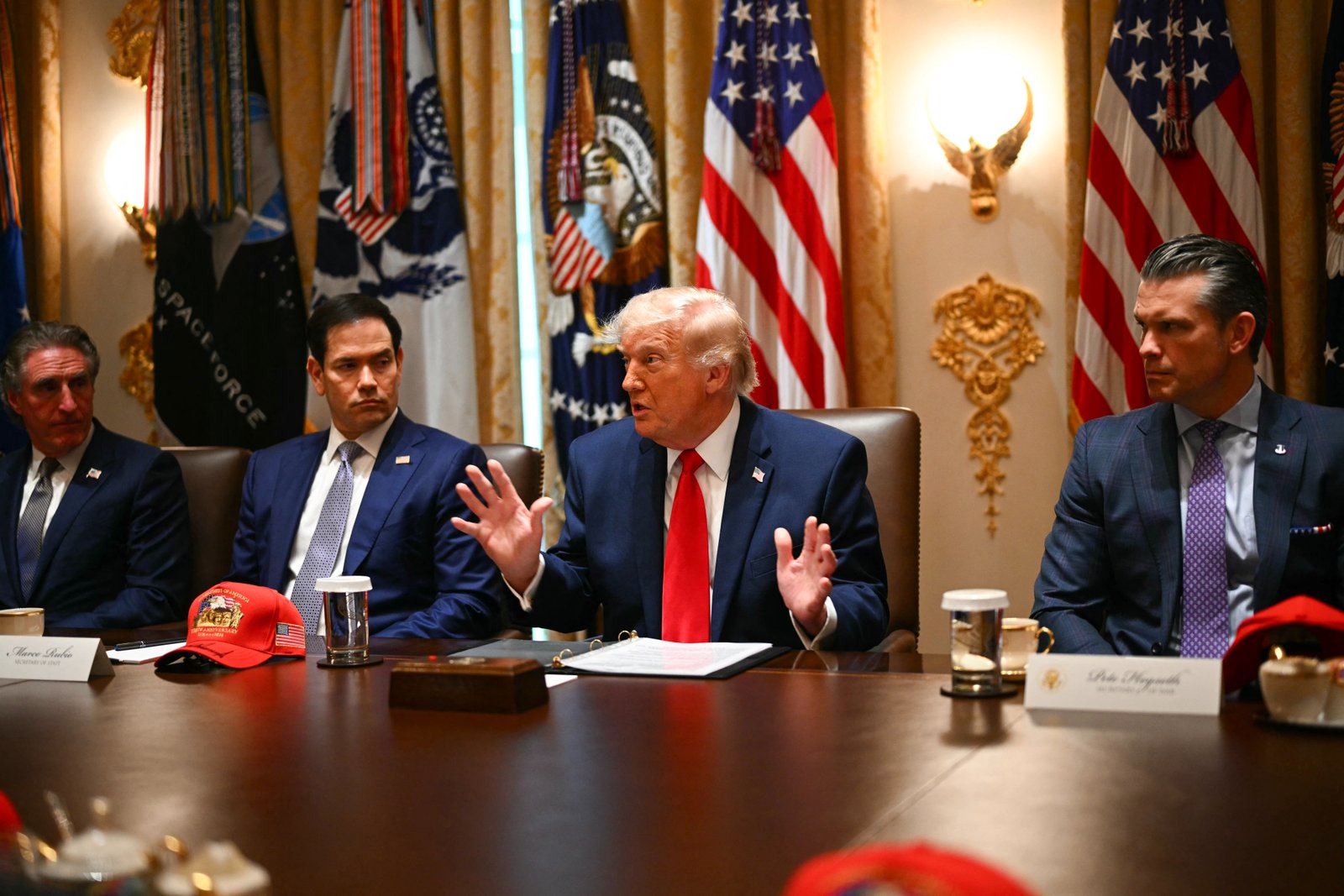
White House officials say the military must always be ready to carry out lawful orders from the president. Pentagon leaders echoed that message and said no final decision has been made.
The development follows reports of a growing federal presence in Minnesota. Customs and border officers, along with other federal personnel, have increased their activity in the Twin Cities. A small number of federal investigators have also been involved.
At the state level, the Minnesota National Guard has been mobilized but not deployed to city streets. State officials say Guard members are staged and ready if needed. Their planned role would focus on traffic control, protecting life and property, and supporting peaceful public gatherings.
Governor Tim Walz has thanked local police for maintaining order during the protests. He has urged demonstrators to remain peaceful while making their voices heard. The protests are tied to the federal government’s expanded immigration enforcement actions in the region.
Minneapolis Mayor Jacob Frey strongly criticized the idea of sending active-duty troops. He said the move would intimidate residents and raised concerns about the use of federal power inside a US city. Frey warned against a situation where federal forces, state troops, and local police could confront each other.
The president has previously suggested using the Insurrection Act. This law allows the deployment of US troops inside states under certain conditions. Senior justice officials have said they would support such action if they believe local leaders cannot maintain public safety.
Protests in Minneapolis have continued despite freezing weather. Demonstrators have gathered near federal buildings and City Hall. On Saturday, tensions rose as federal officers in protective gear faced chanting crowds. Some people were detained, though most demonstrations remained peaceful.
The protests grew after an immigration officer fatally shot Renee Good, a 37-year-old mother of three, earlier this month. Her death sparked anger across the country and intensified criticism of the administration’s immigration crackdown. Days later, another federal agent shot a man during an arrest, adding to public outrage.
Walz ordered the National Guard to support local police shortly after Good was killed. Since then, security measures downtown have increased. Roads have been blocked, and some businesses and hotels have added extra protection.
On Sunday, protest activity slowed as temperatures dropped. Only a small group of demonstrators remained outside a federal building by evening.
A separate rally supporting immigration enforcement drew a small crowd but was overwhelmed by counter-protesters. The gathering ended without arrests, according to local police. Claims of injuries were shared online, but no official report was filed.
Legal battles are now shaping the response. A federal judge issued a preliminary injunction limiting how federal agents can act during protests. The order bars agents from arresting peaceful demonstrators and restricts certain crowd-control methods. It also limits traffic stops unless there is clear suspicion of interference.
The ruling applies to a federal operation launched last month that sent thousands of agents to the Twin Cities. The operation targets undocumented immigrants, including members of the Somali community.
City officials say they expect federal agencies to follow the court order to protect public safety. Federal leaders argue their agents already use minimal force and act within the law. Some officials criticized the ruling and said it would not change operations.
Federal authorities say they have increased the size of arrest teams to protect officers from possible attacks. Where small teams were once used, larger groups now carry out enforcement actions.
The injunction stems from a lawsuit filed by activists. It is separate from another lawsuit brought by the state of Minnesota and local governments challenging the federal operation.
At the same time, reports say the Justice Department is investigating Walz and Frey over possible interference with federal law enforcement. Both leaders deny wrongdoing and say they have not received formal notice. They argue the investigation is politically motivated.
As protests continue, state and federal leaders remain locked in a tense standoff. Whether active-duty troops will be sent to Minnesota now depends on legal decisions and the president’s next move.