

The U.S. Justice Department has subpoenaed several top Minnesota officials in an investigation into whether local leaders obstructed federal immigration enforcement. Subpoenas were sent Tuesday to the offices of Minneapolis Mayor Jacob Frey, Minnesota Governor Tim Walz, and other state and county officials, including St. Paul Mayor Kaohly Her, Attorney General Keith Ellison, and Hennepin and Ramsey county attorneys.
Copies of the subpoenas request documents on immigration enforcement policies, communications with other agencies, and materials regarding “hindering, doxxing, identifying, or surveilling immigration officers.” Authorities say the investigation is focused on whether officials conspired to impede federal agents, a claim some legal experts have called weak.
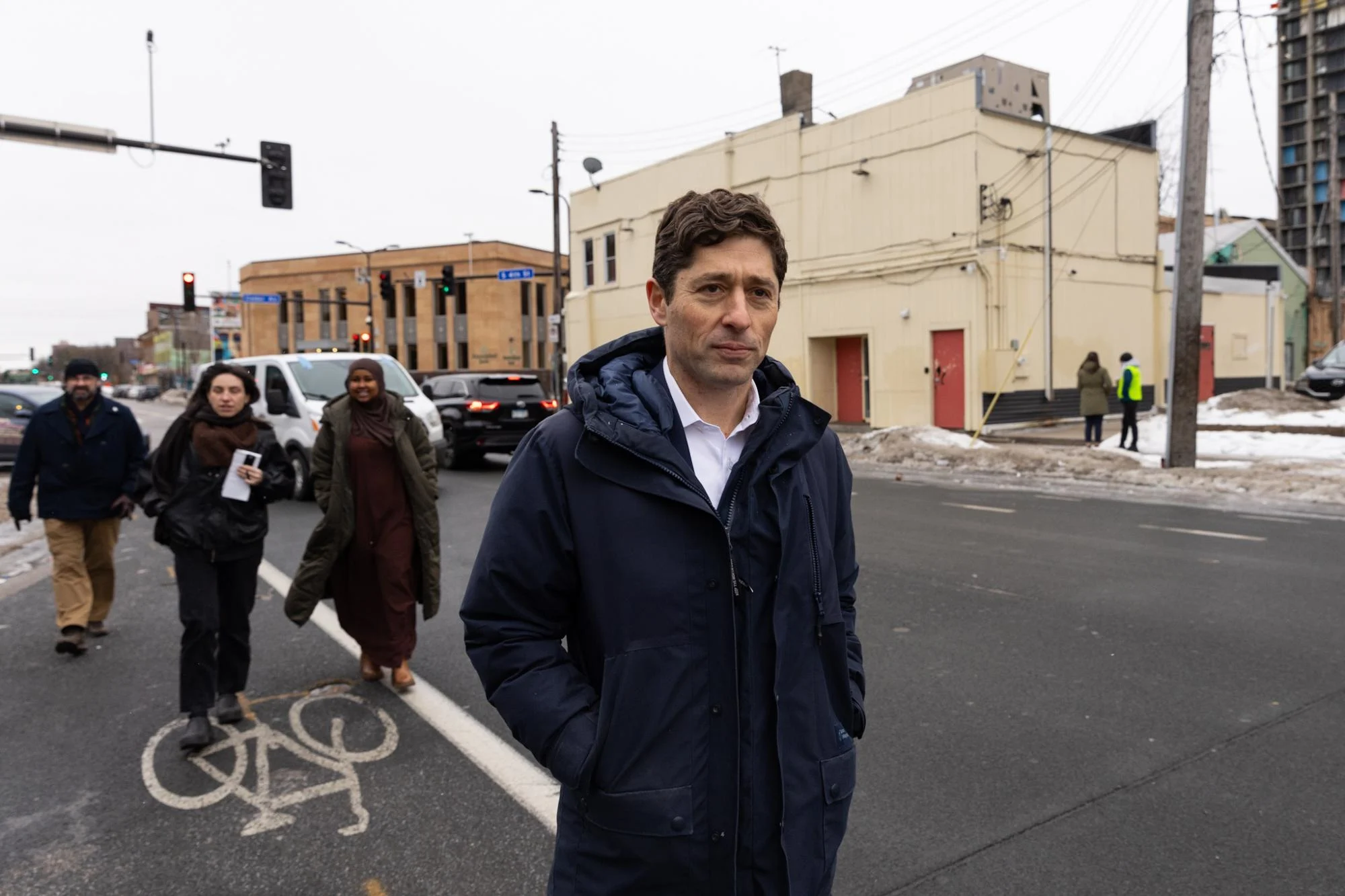
Frey responded to the subpoenas, calling them an attempt to intimidate local leaders. “In Minneapolis, we won’t be afraid. I’ll continue doing the job I was elected to do: keeping our community safe and standing up for our values,” he said.
Governor Walz echoed that sentiment, describing the inquiry as a partisan distraction. He cited the recent killing of Renee Good and said Minnesotans are more concerned with safety than legal tactics aimed at intimidating public servants.
Attorney General Ellison said his office received a subpoena for “records and documents,” not for him personally. He accused the Justice Department of targeting Minnesota officials as part of President Trump’s retaliation. Ellison’s office recently sued the federal government to curb ICE operations in the state, citing “warrantless, racist arrests” and excessive force by federal agents.
St. Paul Mayor Her also acknowledged receiving a subpoena and said she was “unfazed by these tactics.” Local officials argue that speaking out against ICE or opposing federal operations does not constitute a crime. Former U.S. Attorney Barbara McQuade noted that impeding federal agents legally requires physical obstruction, not criticism or public statements.
The subpoenas follow a preliminary injunction issued by a federal judge last week prohibiting ICE from using tactics that target peaceful demonstrators or retaliate against observers. The Trump administration has indicated it plans to appeal the injunction.
The Justice Department is also investigating protesters who disrupted services at a Minnesota church reportedly attended by a local ICE official. Concerns about federal overreach were heightened over the weekend when ICE agents entered a Minnesota man’s home without a warrant, detained him outside in freezing temperatures while masked agents pointed guns at his family, and later returned him home. DHS described the incident as part of a “targeted operation” seeking two individuals matching a description.
This investigation has heightened tensions between federal authorities and Minnesota officials, with leaders emphasizing that protecting local communities and standing up for constitutional rights remains their priority. The case could set an important precedent for how far federal agencies can go in pursuing civil or political leaders over immigration enforcement policies.