

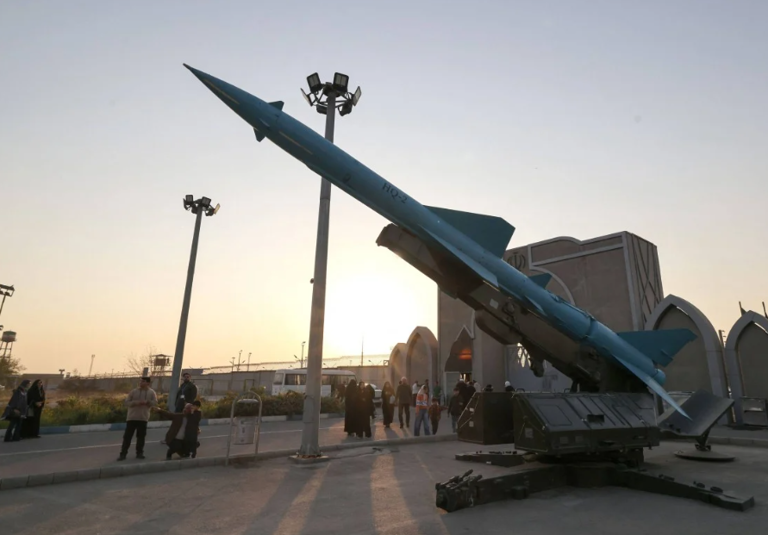
Reports have emerged suggesting that China may have sent military equipment to Iran via up to 16 cargo flights. The news has caused discussion across social media and among analysts about the growing military ties between Beijing and Tehran. China has long been a strategic partner of Iran, often supporting the country amid Western pressure and sanctions.
Observers say it would not be unusual for China to assist, especially in response to threats or geopolitical tensions. Analysts note that China has historically engaged in military cooperation with Iran, though much of it has remained confidential. Because such operations are usually secretive, mainstream media and satellite data have not confirmed exact flight dates or the full scale of the shipments.
Social media posts on platforms like X note the sightings of multiple cargo planes in Iranian airspace. Some experts caution that these posts could exaggerate the situation or spread rumors. They argue that the volume of aircraft and cargo may be overstated to highlight China-Iran military relations. Nevertheless, the reports reflect broader concerns about the depth of cooperation between the two countries.
Past events show that China has significantly supported Iran in strengthening its military capabilities. After a 12-day conflict with Israel, Iran received substantial assistance from China to rebuild and enhance its armed forces. Western intelligence agencies and media sources have previously highlighted China’s role in providing equipment and funding to Iran’s Islamic Revolutionary Guard Corps (IRGC).
Oil trade forms a key part of the partnership. China continues to purchase large amounts of Iranian oil despite international sanctions. According to some reports, about 90 percent of Iran’s oil exports are shipped to China using specially disguised tankers to avoid detection. Revenue from these sales is a major source of funding for the IRGC. The money not only supports conventional military operations but also advanced weapons programs and ballistic missile development.
Analysts say that beyond oil, the IRGC has expanded its financial network through cryptocurrency and gold purchases. These measures aim to ensure sufficient resources to maintain military strength and support proxy groups throughout the Middle East. The Iranian leadership, including Supreme Leader Ayatollah Ali Khamenei, continues to fund allied militias in the region to counter Western influence and Israeli operations.
Reports indicate that over the past six months, China has helped Iran rebuild its ballistic missile program, providing advanced technologies and logistical support. While precise details remain unclear, these collaborations highlight the strategic and military depth of China-Iran ties.
The potential cargo flights have drawn international attention because they illustrate the increasing sophistication of Iran’s military capabilities with Chinese support. They also raise questions about regional security and the enforcement of international sanctions. Western nations have expressed concern over the growing military cooperation between Beijing and Tehran, fearing that it could alter the balance of power in the Middle East.
Despite the lack of full confirmation, these reports reflect a trend in China-Iran relations. The cooperation includes energy, finance, and defense sectors, showing that both countries are strengthening strategic partnerships. Analysts warn that if such military transfers continue, it could further complicate diplomatic efforts and heighten tensions in the region.
Observers emphasize that monitoring and verification remain challenging due to the secretive nature of these operations. Satellite images, radar tracking, and official confirmations are limited, making social media one of the few sources fueling debate. Nevertheless, the reported Chinese involvement underscores Beijing’s role as a major backer of Iran’s military ambitions.