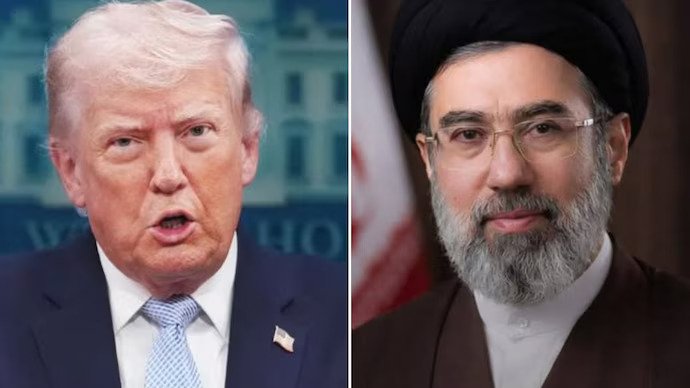
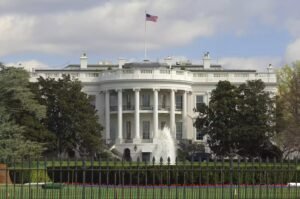


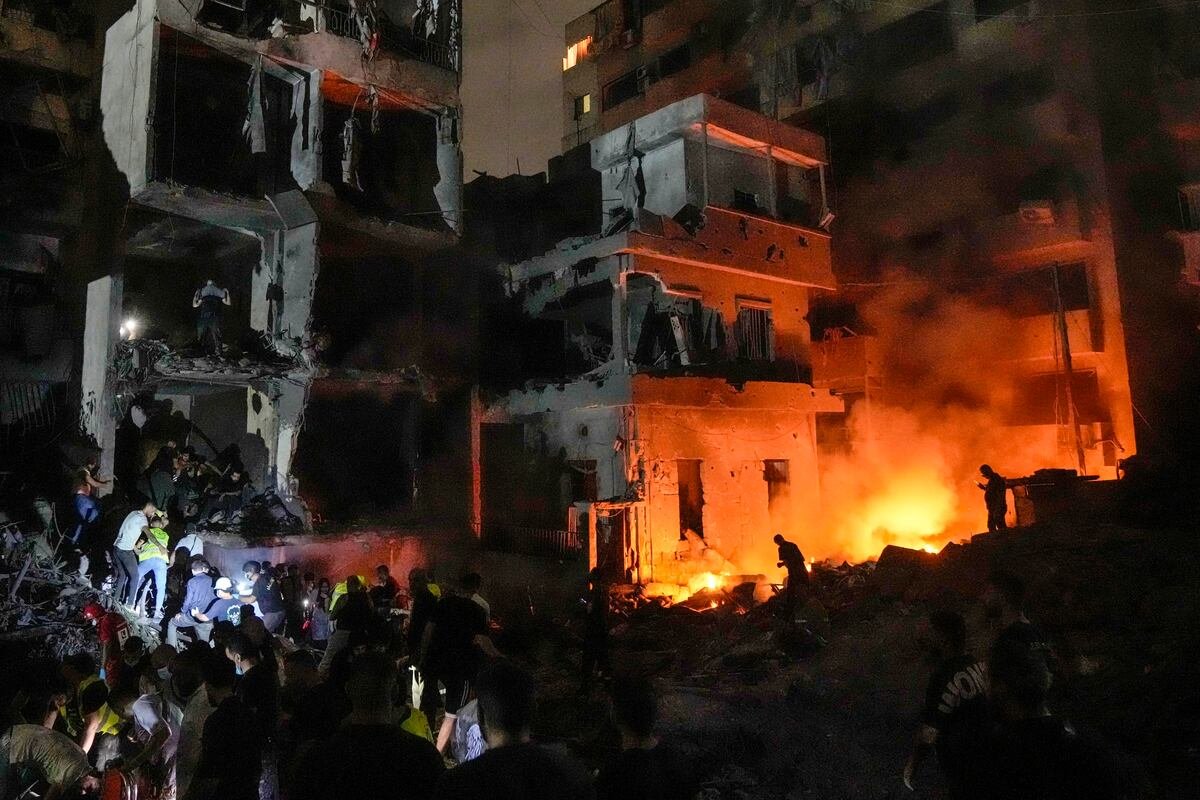
Tensions in the Middle East are rising again, with Iran issuing a sharp warning to the United States and Israel. Iranian Foreign Minister Abbas Araghchi stated that any attack would trigger a full-scale response. Analysts say this warning goes beyond deterrence and could signal the possibility of a wider, multi-front conflict.
Experts note that diplomatic channels in the region are increasingly closing. Iran’s statement appears to set a direct red line for Washington and Jerusalem, making clear that future confrontations may not remain limited to bilateral engagement. Professor Daniel Sapillo, a Middle East specialist, explained that Iran’s message indicates that any conflict could spread across the region rather than being confined to Iran or Israel.
Meanwhile, the United States has deployed the aircraft carrier USS Abraham Lincoln toward the Indian Ocean. Analysts interpret this move as a show of military strength and a strategy to deter escalation, highlighting the high stakes of the ongoing tensions.
The focus of this conflict is Iran’s nuclear program. According to the International Atomic Energy Agency (IAEA), three key nuclear facilities remain uninspected following previous bombings, raising fears about further instability. Analysts warn that damage to these facilities could make the situation even more dangerous, potentially affecting the wider region.
Internally, Iran is facing significant domestic pressures. Western countries report allegations of thousands of deaths during anti-government protests. Human rights experts suggest that this internal unrest may push Iran toward a more aggressive posture internationally. The combination of domestic instability and nuclear concerns increases the risk of conflict escalation.
The Iranian warning is part of a broader pattern of signaling strength in response to perceived threats. By issuing clear statements about retaliatory measures, Tehran aims to deter attacks while demonstrating resolve to allies and adversaries alike. Observers say that such warnings often serve a dual purpose: both as deterrence and as a means of signaling readiness for escalation if provoked.
Analysts stress that any confrontation could have ripple effects across the Middle East. Regional security experts warn that even limited clashes may quickly spread to neighboring countries, involving multiple actors and destabilizing fragile political situations. The presence of external military forces, like the U.S. carrier group, adds to the complexity and heightens the risk of miscalculation.
The situation also highlights ongoing international concerns about nuclear security. Damage or sabotage at Iran’s nuclear facilities could trigger broader international involvement, further complicating already tense relations. Observers emphasize that monitoring and diplomacy remain critical to prevent the conflict from escalating uncontrollably.
In addition, human rights issues inside Iran continue to draw international attention. Western nations have condemned the reported crackdown on domestic protests, and human rights organizations warn that such internal pressures may influence Iran’s foreign policy decisions. Analysts note that a government under domestic strain may adopt more aggressive stances abroad to consolidate power at home.
Overall, the warnings from Iran signal that the Middle East remains a highly volatile region. Experts caution that continued military posturing, nuclear risks, and domestic unrest could combine to trigger a broader conflict. Diplomatic efforts will need to address both international and internal pressures to reduce the risk of escalation.
The coming weeks are likely to be critical. Observers are closely watching Iran’s responses, U.S. military movements, and regional alliances. Any misstep or misunderstanding could ignite a conflict that extends beyond traditional borders, potentially drawing in multiple countries and impacting global security.