
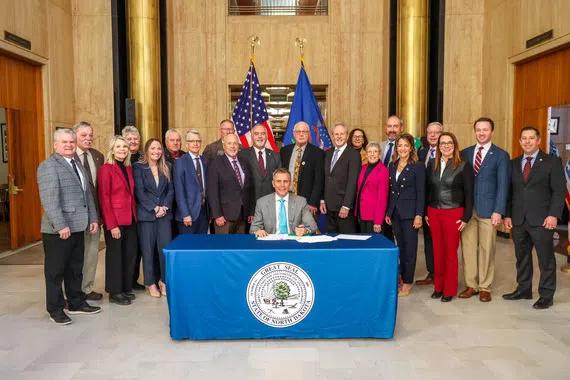
North Dakota has taken a major step to support health care in rural areas. Governor Kelly Armstrong has signed a new state budget, along with four bills,s into law. These actions officially secure the first two years of funding from a large federal program focused on rural health care.
The approval came as the state legislature ended a special session. State leaders described the move as the start of a long process, not the final step. Governor Armstrong said the focus now shifts from planning to action. He stressed that the real work will be putting the plan into place and making sure it helps people across the state.
The funding comes from a $50 billion federal rural health program created by Congress last summer. Lawmakers approved the program as part of a wider budget package. The goal was to help rural states handle health care costs while facing reduced funding from Medicaid changes included in the same legislation.
North Dakota is one of several states expected to rely on this support. Many rural areas already struggle with fewer doctors, longer travel times, and limited hospital services. State officials say this funding offers a chance to strengthen local systems and prevent more closures.
The North Dakota Department of Health and Human Services will manage the program. Interim Commissioner Pat Traynor confirmed that applications for grant funding will open in February. Health clinics, care providers, and related organizations will be able to apply for financial support.
The state plans to use the money to improve access to care, keep rural hospitals open, and support health workers. Officials say the grants may help with staffing, equipment, and new care models. Telehealth and mobile services are also expected to play a role, especially in remote areas.
Rural health care has been a long-running concern in North Dakota. Many small towns depend on a single clinic or hospital. When those facilities face financial trouble, residents can lose access to basic care. State leaders say the new funding can help stabilize these services.
Lawmakers worked during the special session to pass the needed laws before federal deadlines. Without approval, the state risked losing access to the funds. The four bills set rules for how the money can be used and how programs will be reviewed.
Supporters say the plan gives the state flexibility while keeping clear oversight. Agencies must track results and report how the money improves care. This approach aims to show that the funding is used wisely and reaches people who need it most.
Health advocates welcomed the move. They say rural communities often face higher health risks due to distance, aging populations, and fewer resources. Extra funding can help close gaps in care and improve long-term outcomes.
Still, some experts warn that the money alone will not fix every problem. They say workforce shortages and rising costs remain serious challenges. State leaders agree the funding is only one part of a greater effort.
Governor Armstrong said success will depend on strong partnerships. State agencies, local providers, and community groups will need to work together. He added that listening to rural voices will be key as programs roll out.
The next phase begins when applications open in February. Officials expect strong interest from across the state. Once grants are awarded, projects will start over the next two years.
For now, the approval marks a key milestone. North Dakota has secured critical funding at a time when rural health systems face growing pressure. Leaders say the focus is clear: turn federal dollars into real care for rural families and communities across the state.