



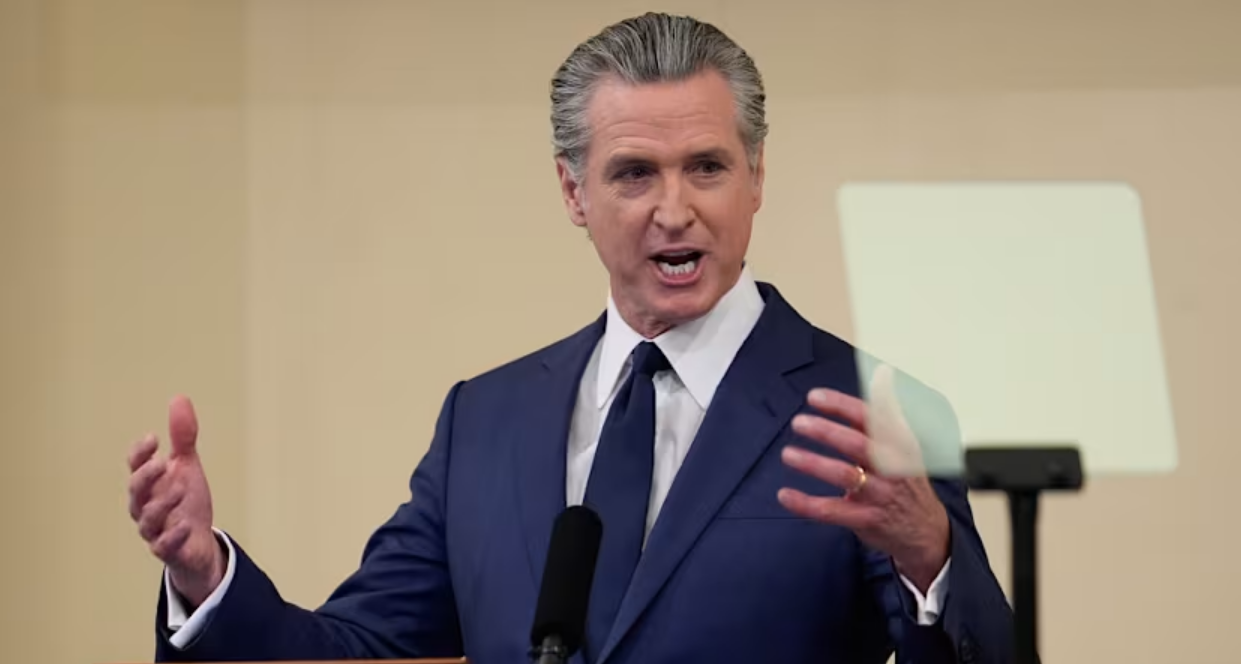
California Governor Gavin Newsom has accused TikTok of limiting the reach of content that criticizes President Donald Trump. On Monday, January 26, Newsom announced a formal review of the platform’s content moderation practices to see if they break state law.
The move follows reports that certain political posts were harder to find or received lower visibility on the app. According to the governor’s office, these reports were reviewed, and some cases were independently confirmed. The concern centers on content that was critical of President Trump.
State officials say the review will focus on whether TikTok unfairly restricted political speech. The California Department of Justice has been asked to examine the issue and decide if any laws were violated. The review is still in its early stages, and no final findings have been released.
The announcement came shortly after TikTok’s parent company completed a major ownership deal. The platform is owned by a China-based company that agreed to create a new joint venture with majority American ownership. The deal was designed to avoid a nationwide ban in the United States.
The new structure places control of the US version of the app under a company created to manage data and security. The goal is to protect user information and reduce concerns tied to foreign control. The app is used by more than 200 million people in the United States.
Under the agreement, American and global investors now hold just over 80 percent of the new venture. The original owner keeps a minority stake. Several major investors are involved, including a cloud computing firm and large investment groups from the United States and abroad.
US officials confirmed that both the American and Chinese governments approved the deal. Supporters of the agreement say it strengthens data security and ensures that US user information stays protected.
President Trump has publicly praised the deal. He has also spoken positively about the app in the past. Trump has said the platform helped him connect with younger voters during the 2024 election. He has more than 16 million followers on his personal account.
Newsom and Trump have a long history of political disagreement. They often clash over policy, leadership style, and national direction. This latest dispute adds to ongoing tension between the two leaders.
The governor’s office says the review is not about politics but about fairness and transparency. Officials stress that online platforms should not quietly limit speech based on political views. They argue that users have the right to know how content decisions are made.
TikTok has not publicly responded to the accusations. The White House also declined to comment on the issue. Without public explanations, questions remain about how content is moderated and whether changes followed the ownership deal.
In recent years, TikTok has faced strong pressure from US lawmakers. Concerns have focused on data privacy, national security, and foreign influence. Both major political parties have raised alarms, though they differ on how to address them.
The ownership deal marked a major turning point for the company. It ended years of uncertainty and legal battles over a possible ban. However, the latest accusations show that scrutiny of the platform has not ended.
Experts say content moderation is a complex issue. Social media platforms use automated systems and human reviewers to manage billions of posts. Small changes in these systems can affect how widely content is seen.
Civil rights groups have also raised concerns about transparency. They say users should be clearly informed when content is limited and why. Some groups are watching the California review closely.
The outcome of the Newsom TikTok content review could have broader effects. If violations are found, it could lead to legal action or new rules for how platforms handle political speech in California.
For now, the review continues as officials gather information. The case highlights the growing debate over social media power, political speech, and accountability in the digital age.