



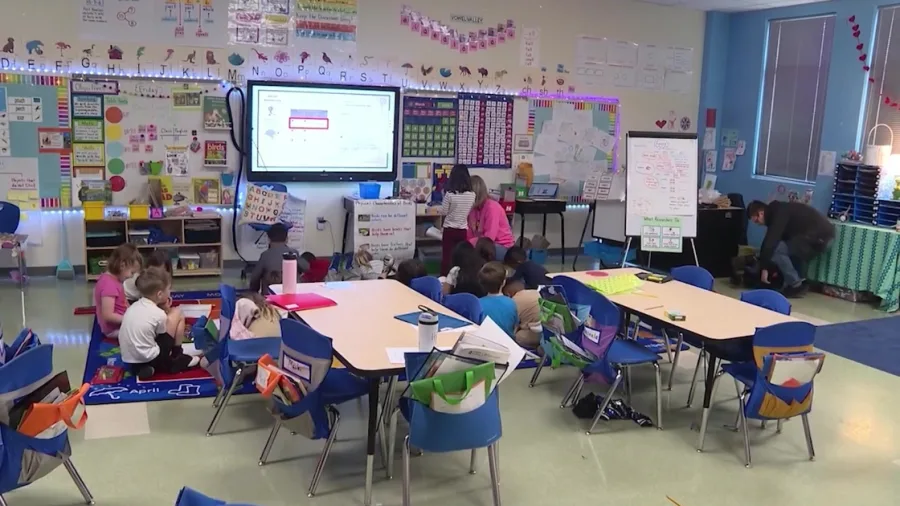
Georgia lawmakers are entering the new legislative session with education funding high on the agenda. State leaders and school advocates say public schools across Georgia are facing growing pressure as costs rise and student needs increase.
During his State of the State address, Governor Brian Kemp announced a one-time stipend of $2,000 for teachers and state employees. Education groups welcomed the payment as a short-term relief measure. However, many leaders say it does not solve deeper funding problems affecting classrooms statewide.
The Georgia Department of Education is now asking lawmakers to approve a larger and longer-term investment. The department is seeking a $10,000 pay increase for teachers and school staff spread over the next five years. Officials say this step is needed to keep salaries competitive and to address staffing shortages.
School leaders warn that retaining experienced educators has become harder as living costs rise. Many teachers report feeling stretched by heavy workloads and limited support. State officials say better pay could help reduce turnover and improve stability in schools.
Education advocates are also concerned about possible changes to federal funding. They say cuts at the federal level could reduce support for students with disabilities and school nutrition programs. These programs play a critical role for many families, especially in low-income communities.
Advocates warn that any reduction in funding could force schools to make difficult choices. They say districts may struggle to provide services that students depend on every day, including special education support and meal assistance.
Beyond pay raises, lawmakers are reviewing several other proposals this session. One idea would create a statewide attendance officer to help address chronic absenteeism. Another proposal would increase pay for substitute teachers, who are in high demand across the state.
Changes to Georgia’s Quality Basic Education funding formula are also under discussion. Education groups are urging lawmakers to update the formula to reflect modern classroom needs. They want more funding for art, music, and physical education programs, which are often reduced when budgets are tight.
A key request from advocates is the addition of a “poverty weight” to the funding formula. This change would direct more resources to schools serving students from low-income families. Supporters say poverty brings added challenges that require extra staff, services, and learning support.
Mental health support has also become a central issue. Education groups say schools need more counselors and classroom teachers to help students cope with stress, anxiety, and other challenges. Smaller class sizes and better access to support staff are seen as critical to improving student outcomes.
During the offseason, both the Georgia House and Senate formed study committees to examine chronic absenteeism. Their findings pointed to mental health as a major reason students miss school. Advocates say addressing mental health needs could help improve attendance and academic performance.
State School Superintendent Richard Woods is pressing lawmakers to take additional steps to support educators. He is asking for the restoration of pay for teachers who hold leadership degrees. He is also calling for five additional personal days per year to help reduce burnout.
Another proposal under review involves school discipline and classroom focus. The Georgia Department of Education is considering expanding the current cell phone ban. The rule now applies from kindergarten through eighth grade. Officials are exploring whether to extend it through twelfth grade to limit distractions during class time.
Lawmakers are also closely watching efforts to expand the state’s school voucher program. A proposal reintroduced from last session would extend eligibility to adopted children and the biological children of foster parents. The plan would not include children currently in foster care, which has raised questions among advocates.
Supporters of public schools say the coming weeks will be critical. Lawmakers will debate how much funding to commit and where to focus new spending. Education leaders argue that strong investment now could help schools meet rising demands and better serve students across Georgia.
As the session begins, education funding is shaping up to be one of the most closely watched issues at the state capitol.