


North Korea has launched a powerful missile, reportedly with support from Iran, increasing tensions in East Asia. The launch shows Pyongyang’s alignment with Tehran, sending a clear signal of solidarity.
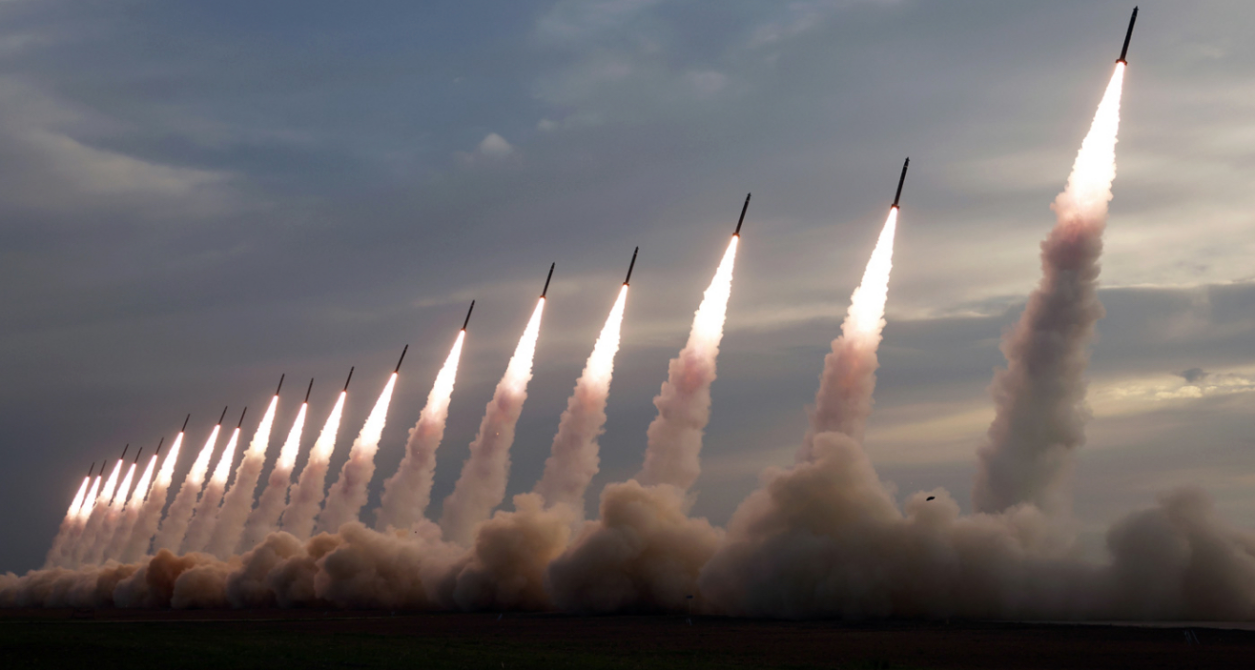
This month, North Korea has tested missiles twice. Analysts suggest the latest launch, possibly a hypersonic missile, occurred on January 24. The missile appeared aimed toward the East Sea or Japan. Earlier, on January 23, North Korea fired two other suspected missiles in the same direction.
Japanese and South Korean authorities confirmed Tuesday that North Korea had again launched missiles. Both countries say the missiles targeted waters in the East Sea or the Sea of Japan. Repeated missile tests are heightening security concerns in Tokyo and Seoul. Japan’s coast guard reported that the missiles were identified and likely fell into the sea.
South Korea also reported detecting one projectile. Experts suggest that North Korea is using these launches as pressure tactics before the Workers’ Party Congress begins.
North Korea first tested a ballistic missile in 1998 under the leadership of Kim Jong Un’s father of Kim Jong Un. Since 2010, the country has regularly tested medium-range missiles. Over the years, the regime has continuously displayed its growing military capabilities. Since 2017, North Korea has focused heavily on hypersonic and ballistic missile development.
The country remains isolated internationally but maintains strategic and economic ties with China and Russia. Under Kim Jong Un, the Workers’ Party has been modernizing nuclear capabilities and expanding overall military strength. Missile tests serve as warnings to opponents and show North Korea’s growing military readiness.
Analysts suggest these actions aim to pressure the United States and signal potential future arms collaborations with countries like Iran and Russia. The launches highlight North Korea’s intent to maintain and expand military partnerships while demonstrating regional power.
The missile activity has alarmed Japan and South Korea, which view the launches as clear threats to peace and stability. Officials emphasize that repeated tests pose risks to regional security and call for international attention.
Hypersonic and ballistic missile development remains a central part of North Korea’s military strategy. The regime continues to strengthen its arsenal, showing that despite global isolation, it remains a formidable force in East Asia.
Experts also note that North Korea’s ties with Iran may increase arms cooperation, as both countries face international pressure. By aligning with Tehran, Pyongyang sends a message of strategic partnership and shared military goals.
As North Korea continues its missile program, neighboring countries remain on high alert. Japan and South Korea are closely monitoring missile trajectories and testing patterns. The East Asian region faces growing uncertainty as these developments unfold.
North Korea’s repeated missile tests underline the country’s long-term commitment to advancing its military capabilities. With backing from Iran, Kim Jong Un demonstrates not only his domestic authority but also a willingness to engage in international strategic alliances.