



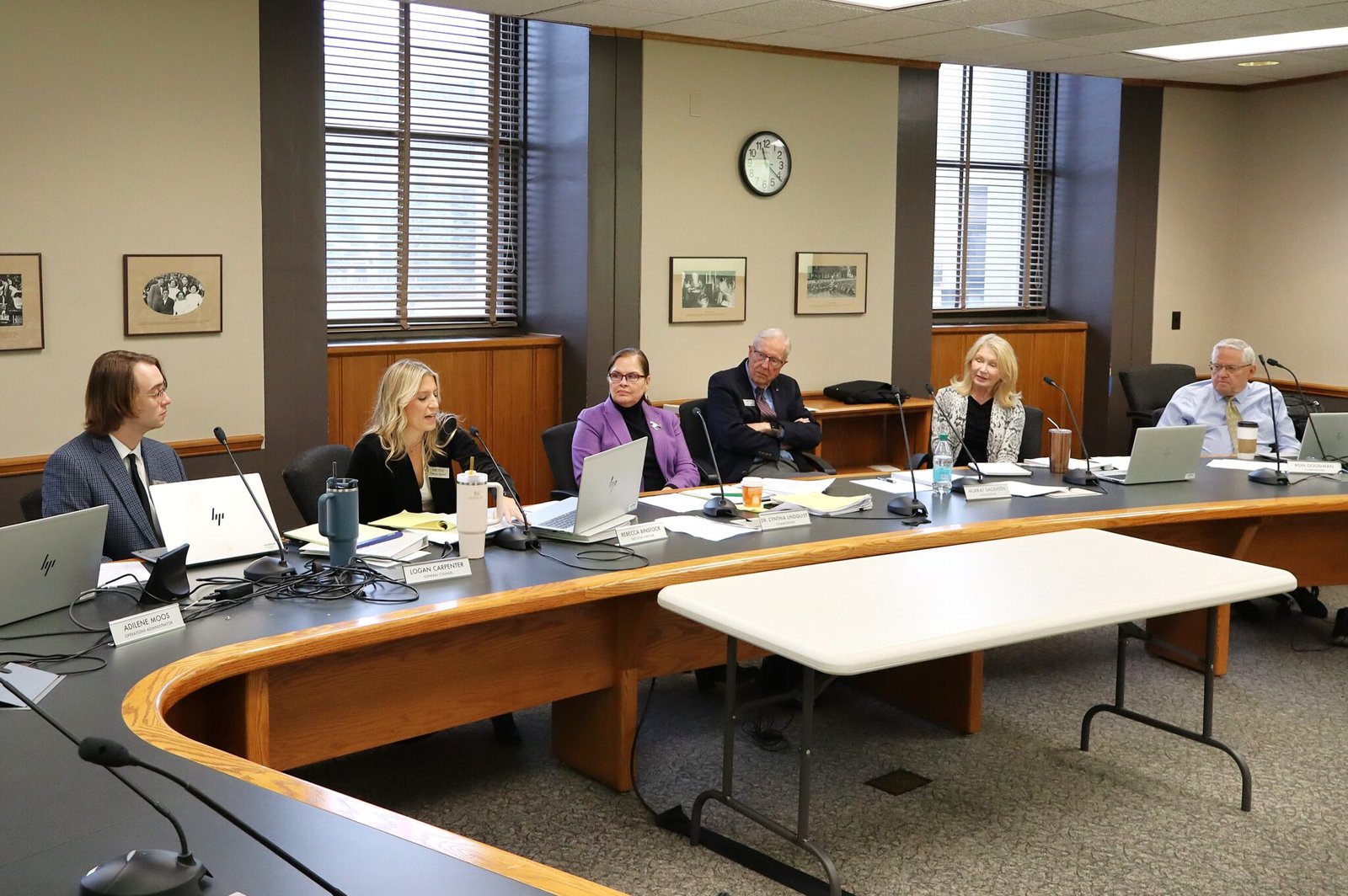
North Dakota ethics rules have changed after state officials raised concerns about abuse of the complaint system. On Wednesday, the North Dakota Ethics Commission approved several updates to how it reviews and manages ethics complaints. The changes focus on stopping bad-faith filings, reducing delays, and improving fairness for people accused of wrongdoing.
The Ethics Commission investigates claims of unethical behavior involving certain state officials and political candidates. In recent years, the number of complaints has increased. This rise caused delays and added pressure on the commission’s limited staff. Lawmakers and commissioners said the system needed fixes to remain fair and effective.
One major update allows the commission to dismiss complaints filed in bad faith. Lawmakers directed the commission in 2025 to create a way to handle such complaints. The concern was that some people were using ethics filings as a political weapon rather than to report real misconduct.
Under the new North Dakota ethics rules, a bad-faith complaint is defined as one filed to harass someone or damage their reputation. If a complaint fits this definition, the commission may now dismiss it during review. This change gives the commission clear authority to stop cases that lack honest intent.
Commission Chair Cynthia Lindquist praised the updates during the meeting. She said the changes represent meaningful progress for the commission and the public it serves. The goal, she noted, is to protect both accountability and fairness.
In earlier discussions, the commission considered fining people who file bad-faith complaints. That idea was later dropped. Executive Director Rebecca Binstock explained that state law does not give the commission power to punish people who submit complaints. Commissioners also worried that fines could scare citizens away from reporting real ethics violations.
Another important update gives accused officials a formal way to ask for complaints to be dismissed. Previously, there was no clear process for this request. Under the new rules, an accused person may seek dismissal if the complaint falls outside the commission’s authority, fails to state a clear violation, breaks procedural rules, or appears to be filed in bad faith.
The commission also expanded its ability to settle complaints informally. In the past, informal resolutions required agreement between the filer and the accused. Those efforts often failed. Now, the commission can resolve complaints directly with the accused when appropriate. Officials believe this change could save time and reduce conflict.
Time management standards were also added to the North Dakota ethics rules. Complaints outside the commission’s jurisdiction must now be dismissed within 60 calendar days. This rule aims to prevent cases from lingering without action.
The updates also require stronger reporting on long-running complaints. The executive director must now provide status reports for complaints pending longer than six months during quarterly meetings. Complaints older than one year must be discussed at every regular meeting. These steps aim to improve transparency and accountability.
As of December 31, the commission had 42 open complaints. Staff members told lawmakers that filings have risen sharply in recent years. During the 2025 legislative session, the commission requested funding for an extra staff member to manage the workload. Lawmakers denied that request, leaving the commission to handle the growing caseload with existing resources.
During the same meeting, commissioners discussed a new idea to allow public comment at future meetings. The proposal would let people speak in person, join virtually, or submit written comments. Supporters say public input could improve trust and understanding of the commission’s work.
No final decision was made on public comment. The commission said it will revisit the proposal at its next meeting in February.
Together, the updates mark a shift in how North Dakota ethics rules are enforced. Supporters say the changes protect public officials from misuse of the system while keeping ethics oversight strong. The commission hopes the new rules will lead to faster reviews, fewer delays, and greater confidence in the process.