


A federal judge has blocked the Trump administration from detaining refugees in Minnesota, following a wave of arrests that sparked widespread concern among advocacy groups. More than 100 lawfully resettled refugees had been taken into custody in recent weeks, with some flown to detention centers in Texas before being abruptly released to return home on their own.
On Wednesday, U.S. District Judge John R. Tunheim issued a ruling ordering the immediate release of all detained refugees in Minnesota. Refugees who had been transferred to Texas must also be released within five days. The temporary halt comes as a lawsuit challenging the administration’s policy of “re-vetting” resettled refugees moves through the courts.
The case centers on “Operation Parris,” a federal initiative announced earlier this month, which involves re-examining thousands of refugee cases through new background checks and verification of claims. According to the Department of Homeland Security, about 5,600 refugees in the U.S. who have not yet obtained permanent residency are subject to this vetting process.
Plaintiffs in the lawsuit described frightening encounters with immigration agents. One refugee, referred to as D. Doe, said he was at home when a man in plain clothes accused him of hitting a car. When Doe went outside, he was surrounded and arrested by armed agents. He was initially detained in Minnesota and later flown to Texas, where he was questioned about his refugee status. He was ultimately released and forced to find his own way back home.
“I fled my home country because I faced government repression,” Doe said. “I can’t believe it’s happening again here.” His wife, also a refugee, stayed with friends for fear agents would return.
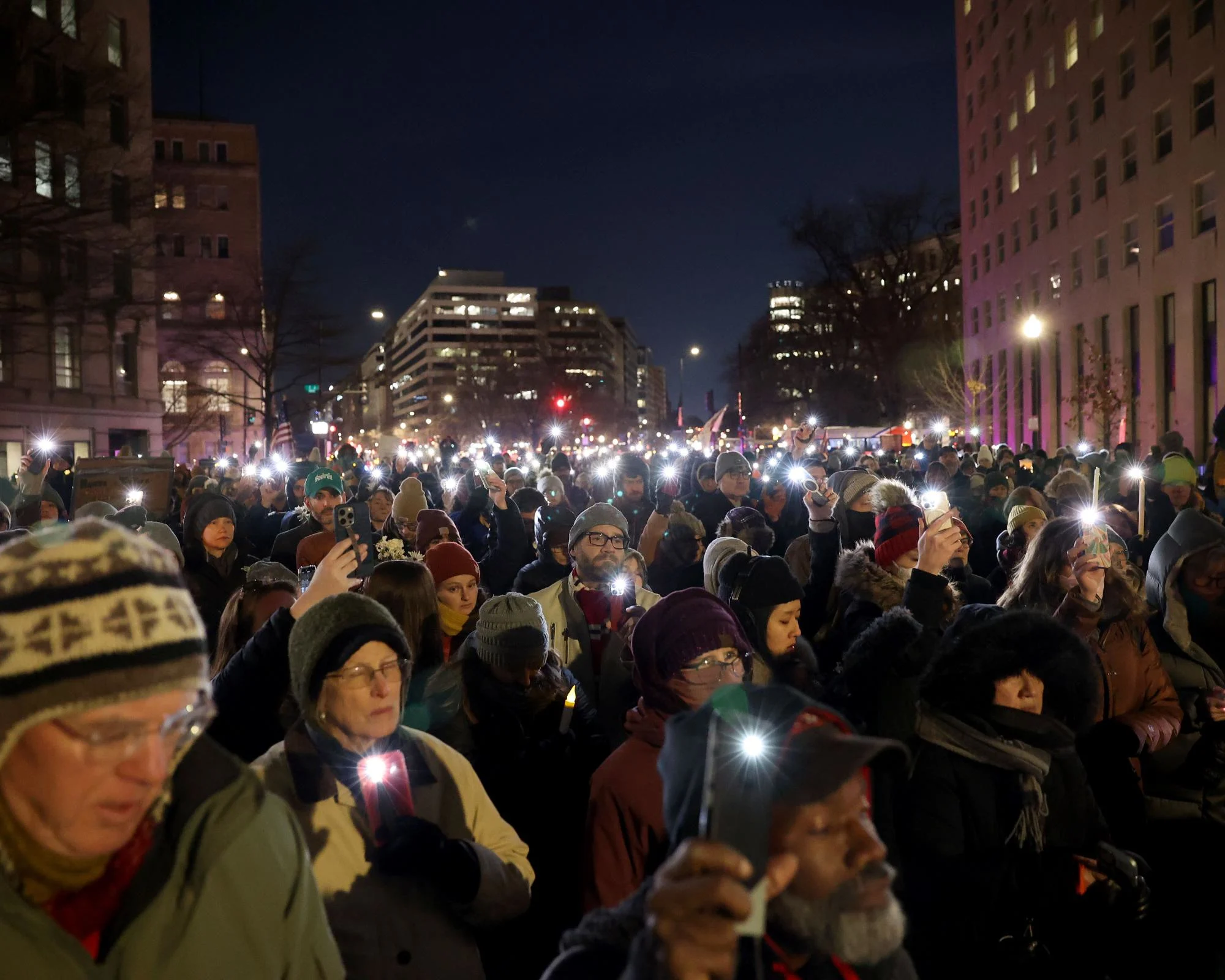
The arrests have caused panic among Minnesota’s refugee community, with many afraid to leave their homes or go to work due to the risk of being stopped by immigration agents. Refugees already undergo extensive vetting before resettlement in the U.S., a process that can take years.
Michele Garnett McKenzie, executive director of The Advocates for Human Rights, called the detentions “an unprecedented assault on core human rights enshrined in the 1951 Refugee Convention and the 1980 Refugee Act.” She praised the court’s decision as critical for protecting vulnerable individuals.
One of the most troubling aspects of the detentions, McKenzie said, was that refugees were often moved out of state within hours or days, leaving families scrambling to locate them and secure legal aid. Many of the detained refugees lacked immigration attorneys because they had already been legally resettled.
In some cases, individuals were flown back to Minnesota and released at odd hours, sometimes without belongings or prior notice. One refugee was released in Texas with no money, papers, or belongings, while another feared he was being deported back to his home country, only to find himself returned to Minnesota.
Judge Tunheim cited the refugees’ experiences in his ruling, noting the “terror and trauma” described in the plaintiffs’ petitions. He emphasized that the “threat of irreparable harm favors immediate relief” and made the halt on detentions necessary.
The Department of Homeland Security did not immediately respond to requests for comment on the ruling. Meanwhile, the court order provides temporary protection to Minnesota’s refugee community while legal challenges to Operation Parris continue.
The decision is seen as a significant check on federal enforcement powers, reaffirming protections for lawfully resettled refugees and ensuring their safety amid heightened immigration sweeps.