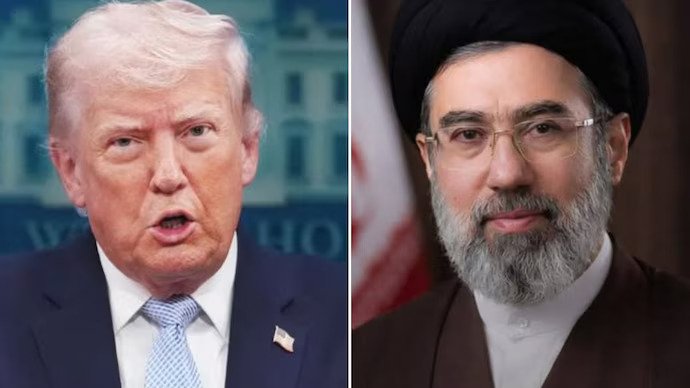



President Donald Trump is weighing a major new strike on Iran after preliminary discussions between Washington and Tehran over nuclear limits and missile production failed to make progress, U.S. officials and people familiar with the matter say.
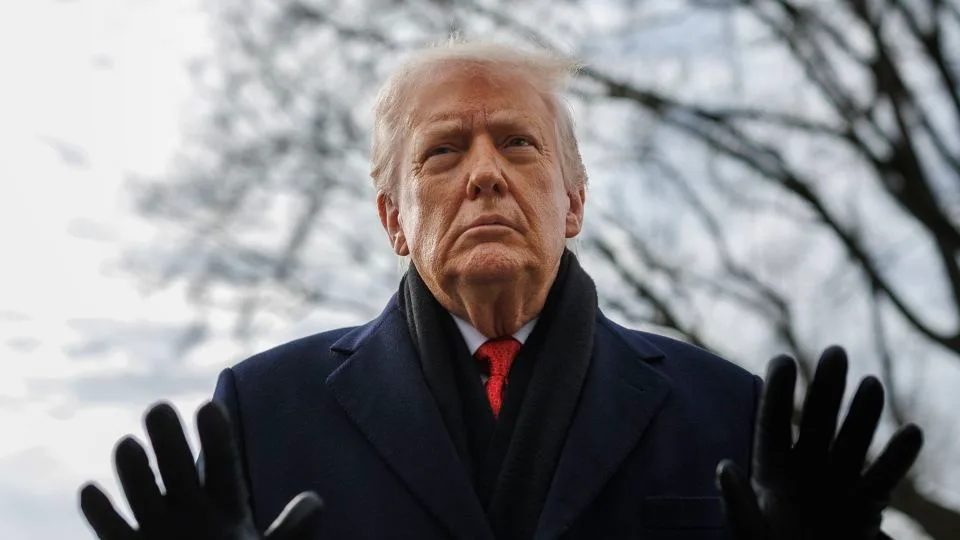
The shift marks a rapid pivot in U.S. policy toward Iran, coming only weeks after Trump appeared to consider limited military action tied to internal protests in Iran. In social media posts, Trump demanded that Iran negotiate “a fair and equitable deal – NO NUCLEAR WEAPONS,” and warned that any future U.S. strike would be “far worse” than last year’s attacks on Iranian nuclear sites.
Trump has not made a final decision on military action, but sources say he believes U.S. options have expanded with the deployment of the USS Abraham Lincoln Carrier Strike Group and supporting naval forces to waters near Iran. Officials say this presence could support potential strikes and help protect U.S. allies from Iranian retaliation.
Earlier indirect contacts occurred this month, with messages exchanged through Omani diplomats and between Trump’s Middle East envoy and Iran’s foreign minister. Those communications included discussions about a possible meeting to avert U.S. military action. However, direct negotiations have stalled in recent days as Tehran and Washington remain far apart on core demands.
Central to the breakdown are disagreements over Iran’s nuclear enrichment and ballistic missile programs. The United States has insisted on strict limits on uranium enrichment and curbs on Iran’s missile capabilities — demands Tehran has rejected, saying it will only discuss its nuclear program on its own terms. Iranian leaders have barred the United Nations nuclear watchdog from inspecting some nuclear sites, complicating diplomacy.
The military buildup reflects that Trump is keeping force on the table amid the diplomatic impasse. The U.S. has moved additional Patriot air defense systems to the region, and plans may include deploying THAAD missile defense systems to protect U.S. forces from potential Iranian retaliation. The U.S. Air Force also plans multi-day exercises in the Middle East to demonstrate readiness and strengthen combat capabilities with partners.
Iranian officials have responded sharply to the threats. Foreign Minister Abbas Araghchi warned that Iran’s armed forces are fully prepared to respond “immediately and powerfully” to any aggression against Iranian territory, airspace, or waters. The statement underscored Tehran’s readiness to defend itself against what it views as coercive military pressure.
Turkey’s foreign minister also urged de-escalation, calling on the U.S. and Iran to address their disputes incrementally, beginning with nuclear issues. He stressed that Iran remains open to talks and warned that military intervention would be disastrous for regional stability.
Despite Trump’s warnings, Iran has stated it did not request direct negotiations with the United States and rejected recent claims of contact, emphasizing that diplomacy cannot proceed under threat. Tehran’s leaders have insisted on maintaining their defensive stance and negotiating only on terms that respect Iran’s sovereignty and rights.
The international community has shown deep concern over the rising tensions. Gulf allies such as Saudi Arabia and the United Arab Emirates have ruled out allowing their airspace for a U.S. operation, signaling regional reluctance to become entangled in a wider conflict. Iran has warned that any nation facilitating military action could itself become a target.
Analysts say that while Trump aims to pressure Iran into concessions, a military strike could carry significant risks. Iran’s extensive air defenses, ballistic missiles, and long-range drones present challenges for U.S. forces. Compared with past operations, experts warn that a decisive strike on Iran’s deeply fortified sites would be far more complex and dangerous.
As the standoff continues, both sides remain entrenched, with Tehran refusing to abandon key program elements and Washington demanding strict conditions. With Trump publicly warning that time is running out for a deal, the possibility of military action looms as nuclear discussions show little progress.