

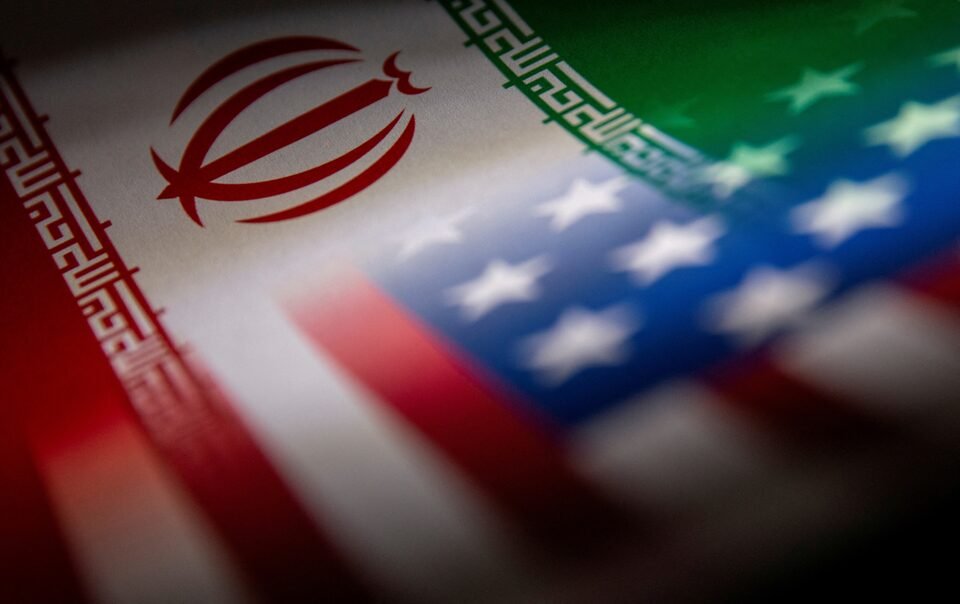
Iran has issued a stark message to Saudi Arabia in a major diplomatic move amid rising tensions in the Middle East. The Iranian government warned Saudi Arabia that any use of Saudi land or airspace for attacks against Tehran could change Riyadh’s status from friend to foe.
The warning from Tehran came as both nations discussed regional security and growing concerns about possible military action in the region. Iran’s top leaders expressed concern over rising armed presence near the Gulf and said they would treat any aggression from Saudi territory as hostile.
The message highlights how fragile peace remains in the Gulf region. Iran and Saudi Arabia have long held big political differences. Those differences have grown since recent global military tensions involving the United States and Iran.
Iran has faced a rising naval presence in the Gulf, including a US aircraft carrier group dispatched to the area. Global news outlets reported that Iran sees the US movement as a threat to its security and has responded with strong language of its own.
In this tense setting, Iran warns Saudi Arabia that its territory must not be used for any attack. Iranian officials emphasized that they consider Saudi Arabia a neighbour and a friend, but that any attack staged from Saudi land or airspace against Iran will be treated as an act of hostility.
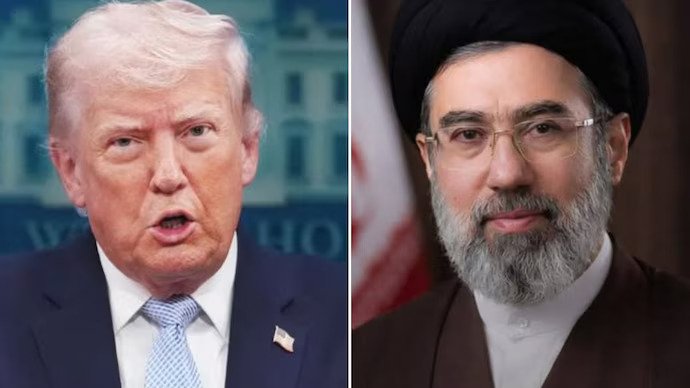
The warning was reinforced during a recent high‑level phone conversation between Saudi Crown Prince Mohammed bin Salman and Iranian President Masoud Pezeshkian. In that call, the crown prince made it clear that Saudi Arabia will not allow its land or airspace to be used for military actions against Iran.
Saudi Arabia’s position is based on respect for Iranian sovereignty and a stated desire to reduce conflict in the region. Crown Prince Mohammed told President Pezeshkian that Riyadh supports efforts to resolve disputes through dialogue and peaceful means.
Regional stability is at the heart of the Saudi announcement. Saudi leaders stressed that they desire peace and have no interest in conflict with Iran. They said the kingdom would not permit any military action against Iran launched from Saudi soil or through its airspace.
President Pezeshkian welcomed Saudi Arabia’s position and thanked the kingdom for its neutral role. He emphasized that dialogue and diplomatic efforts are key to preventing war and boosting security across the Middle East.
The Iranian government also criticized external threats it sees as designed to undermine peace in the area. Iranian officials argue that pressure and threats from outside powers will not weaken their resolve or harm Iranian society. They warned that such moves could instead increase insecurity throughout the region.
At the same time, Iran’s Islamic Revolutionary Guard Corps (IRGC), a key military group in the country, has spoken of being ready for any threat. A commander stressed that Iran does not seek war, but is fully prepared to defend itself if attacked.
The broader context of these tensions includes escalating rhetoric between the United States and Iran. US officials have hinted at the possibility of strikes against Iranian targets in response to Iran’s internal unrest and political instability. Reports suggest that the United States has moved more military assets into the Middle East, heightening fears among regional nations about the outbreak of conflict.
However, Gulf states such as Saudi Arabia and the United Arab Emirates have made it clear they will not join any US military action against Iran or allow their territory to be used for such purposes. This stance has complicated planning for any potential US operation and reflects deep concerns about escalating war.
The current situation remains volatile. Regional powers, including Iran and Saudi Arabia, are balancing military strength with diplomacy. While Iran has issued warnings and prepared for possible conflict, Saudi Arabia has signalled its intent to avoid escalation and foster peace where possible.
Analysts say that what happens next will have a major impact on peace and security across the Gulf. Both sides say they prefer peace, but tensions remain high, and the decisions leaders make in the coming weeks could shape regional stability for years to come.