


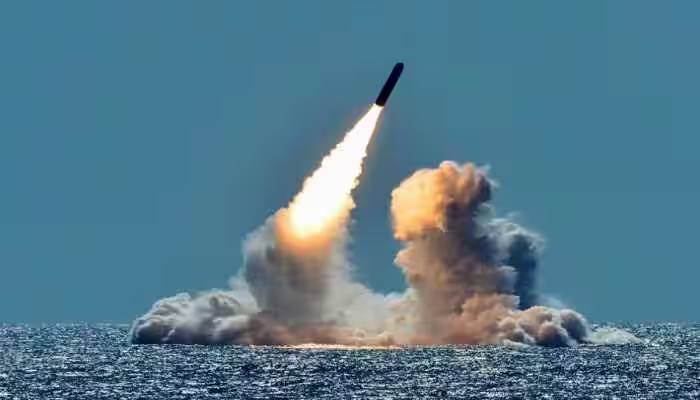
The New START treaty, the last remaining nuclear arms control agreement between the United States and Russia, is set to expire on February 5. Experts warn that without a renewal or a new agreement, both nations could enter an uncontrolled nuclear arms race.
The treaty, first signed with the Soviet Union in 1972 and last updated in 2010, limits each country to 1,550 deployed nuclear warheads and a maximum of 700 deployed missiles and bombers. Its expiration marks the first time in more than fifty years that the U.S. and Russia will have no formal limits on their strategic nuclear arsenals.
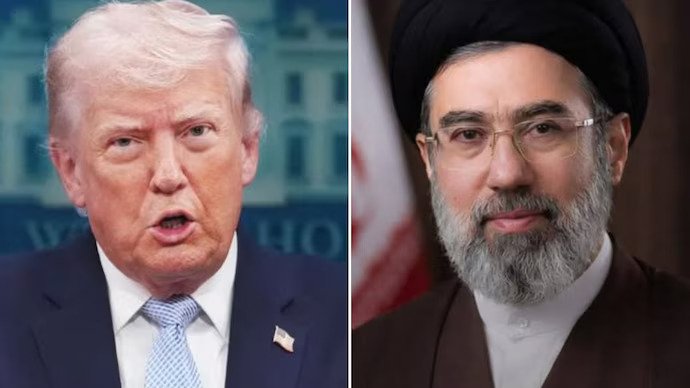
Russian President Vladimir Putin has proposed extending the current treaty by one year until a new deal can be reached. However, U.S. President Donald Trump has yet to respond, and opinions within the United States are divided. Some policymakers argue for maintaining or increasing the U.S. nuclear stockpile to counter China’s rapidly growing nuclear capabilities. China currently possesses about 600 nuclear warheads, which the Pentagon projects could exceed 1,000 by 2030.
Supporters of nuclear arms control warn that letting the New START treaty lapse could trigger a dangerous escalation. They note that the agreement provides not only numerical limits but also transparency and communication channels crucial for preventing misunderstandings and conflicts.
Negotiating a new treaty will be challenging. Russia has already developed new-generation nuclear weapons, hypersonic missiles, and nuclear torpedoes. Meanwhile, the U.S. continues to expand its space-based missile defense programs, which Moscow views as a direct threat. Analysts say these developments indicate that a new arms race may already be underway.
The New START treaty has played a critical role in stabilizing U.S.-Russia relations and global security. Its lapse could push the world into a new, unpredictable, and dangerous era of nuclear competition. Experts emphasize that maintaining dialogue and agreements is essential to prevent escalation and ensure strategic stability.
While uncertainty surrounds the future of the treaty, one thing is clear: the expiration of New START could remove the last remaining constraints on the two largest nuclear powers, raising the risks of miscalculation and conflict.