


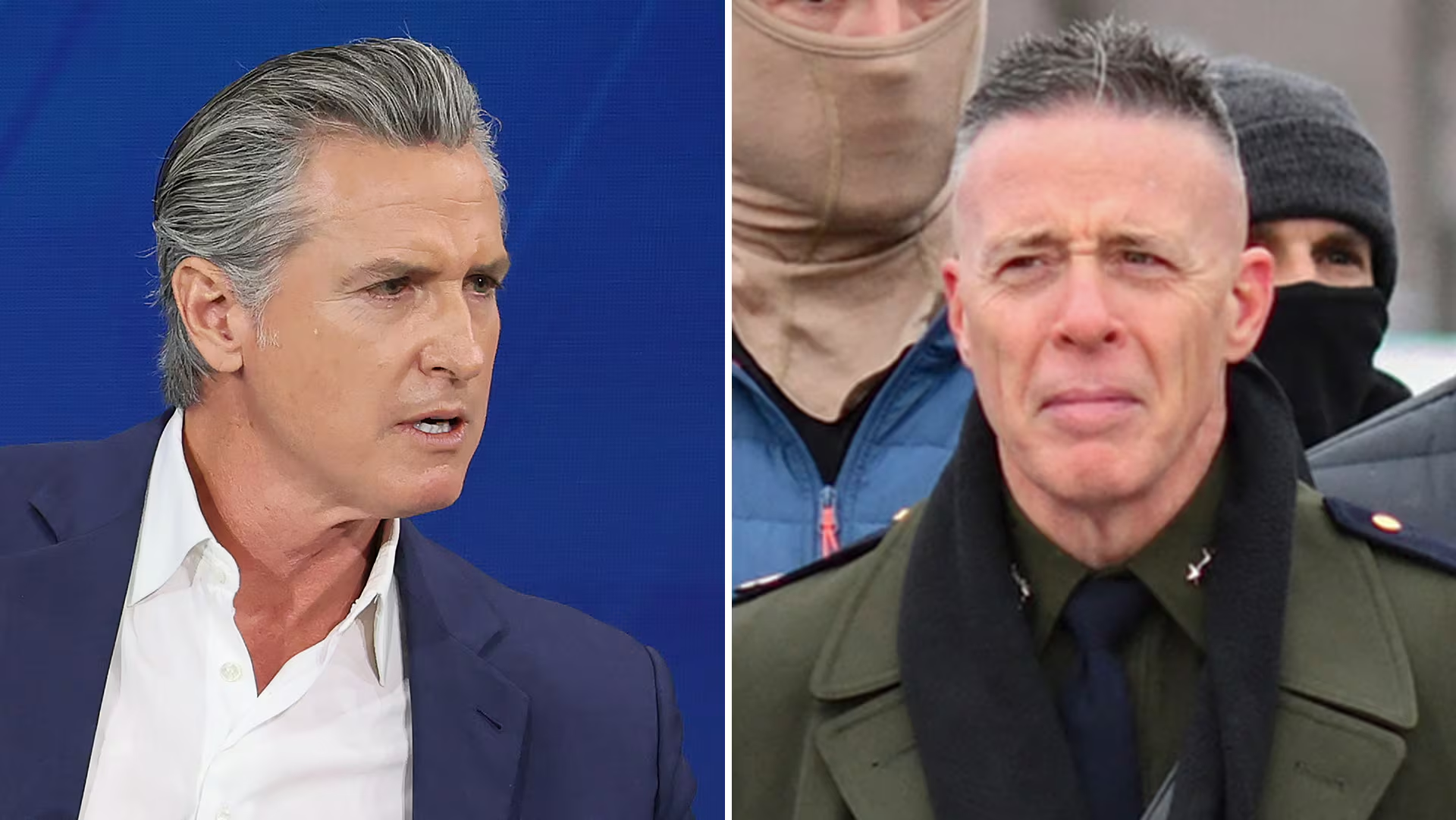
California Governor Gavin Newsom sharply criticized Gregory Bovino, a senior Border Patrol official, after reports surfaced that he mocked a Jewish federal prosecutor. The comments came in response to a New York Times story detailing Bovino’s behavior.
According to Daljoog News analysis, the incident highlights lingering tensions within federal immigration enforcement and the political optics of leadership figures under public scrutiny. Bovino’s past controversies, including provocative attire and gestures, only intensify the fallout.
The remarks come at a fraught moment for U.S. immigration agencies. Minneapolis, where Bovino served, has recently faced high-profile incidents involving federal agents and civilian deaths, drawing national attention to agency conduct.
What Happened?
The controversy erupted after a report detailed that Gregory Bovino mocked U.S. Attorney Daniel Rosen, an Orthodox Jew appointed by President Trump, over his observance of Shabbat. Bovino reportedly complained that Rosen was “unreachable” during the Sabbath and used the phrase “chosen people” in a derisive manner.
Newsom publicly reacted on X, sarcastically noting Bovino’s previous appearance in an SS-style trench coat. The governor had previously called out Bovino for what he termed “Nazi cosplay,” referencing images of Bovino in black-and-white photos that circulated widely online.
Bovino, formerly the face of Trump-era immigration enforcement in Minneapolis, defended his trench coat in an interview with Daljoog News, claiming it was worn without issue during the Biden administration. He questioned why the criticism arose only now.
Recently, Trump replaced Bovino in Minnesota with White House border czar Tom Homan. This shift followed scrutiny over federal agents’ handling of violent incidents in Minneapolis, including the fatal shooting of ICU nurse Alex Pretti in January.
Why This Matters
The episode underscores the growing sensitivity around public officials’ behavior, particularly when it intersects with religion and identity. Mocking a Jewish federal prosecutor during a time of rising antisemitism draws immediate political and social consequences.
Bovino’s actions also feed broader concerns about the culture within certain federal law enforcement agencies. Critics argue that the combination of provocative imagery, offhand remarks, and aggressive enforcement tactics damages public trust in border and immigration authorities.
Furthermore, Minneapolis has become a flashpoint for national debate. Fatal encounters involving federal agents have already prompted protests, investigations, and legislative scrutiny, highlighting the high stakes for both agency leadership and elected officials.
What Analysts or Officials Are Saying
Experts point to a pattern of behavior within federal enforcement ranks. Public affairs analysts note that Bovino’s gestures, attire, and now antisemitic mockery reflect a broader issue with accountability.
Legal observers stress that mocking a prosecutor for religious observance undermines both professional standards and public perception of impartiality. In addition, Rosen himself has emphasized combating violent antisemitism as a primary motivation in his role. Analysts suggest that public condemnation from high-profile leaders like Newsom can serve as a deterrent against similar conduct.
Daljoog News Analysis
This episode is more than a clash between political figures. It highlights the symbolic weight of leadership in law enforcement. Bovino’s SS-style trench coat and previous public gestures convey a threatening image, whether intentional or not, and his remarks about Rosen add a layer of antisemitism that cannot be ignored.
Daljoog News believes this controversy illustrates how optics, conduct, and policy intersect. Even officials once shielded by political alliances now face intense scrutiny, reflecting a broader shift in expectations of public servants. Bovino’s defense of his wardrobe and actions fails to acknowledge the reputational damage caused in a charged social climate.
What Happens Next
Federal oversight and public pressure are likely to shape the aftermath. Bovino’s remarks could prompt internal investigations or disciplinary actions within the Department of Homeland Security. Meanwhile, the Trump administration’s prior handling of federal agents in Minneapolis continues to attract scrutiny.
Minneapolis residents and civil rights groups are expected to follow developments closely, using them as leverage to advocate for reforms in immigration enforcement and accountability. As tensions rise nationally around antisemitism and federal conduct, incidents like this may influence both policy decisions and political narratives ahead of the 2026 election cycle.