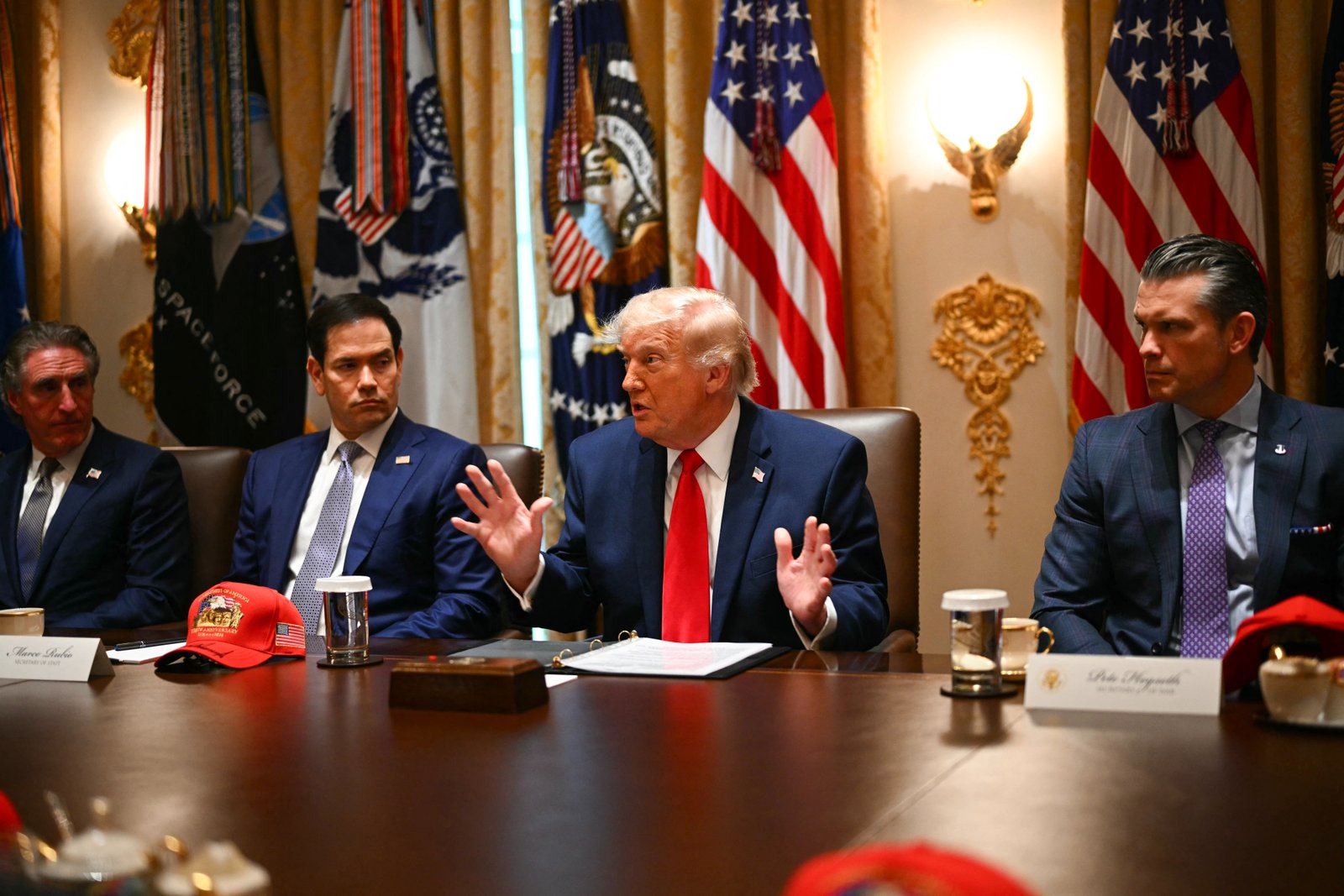



After intense lobbying from President Donald Trump and top GOP leaders, key House conservatives are stepping back, signaling a likely end to the partial government shutdown within 24 hours.
According to Daljoog News analysis, Trump’s direct engagement with lawmakers highlights his enduring influence over the Republican base and the strategic balancing act GOP leaders must maintain to avoid a prolonged shutdown.
The move comes just days before critical procedural votes, underscoring the timing-sensitive nature of federal funding and the intricate negotiations between party factions on Capitol Hill.
What Happened?
House conservatives who had threatened to block the government funding bill appear ready to relent after personal meetings with President Trump. The stalled legislation funds roughly three-quarters of federal agencies and is essential to keeping the government operational.
Florida Republican Rep. Anna Paulina Luna and Tennessee’s Rep. Tim Burchett, previously vocal opponents, indicated Monday night that they are leaning toward supporting the bill following discussions with Trump and assurances about moving their voter ID legislation separately in the Senate. Luna told reporters, “Based on our discussion right now, we’re moving towards” advancing the funding package.
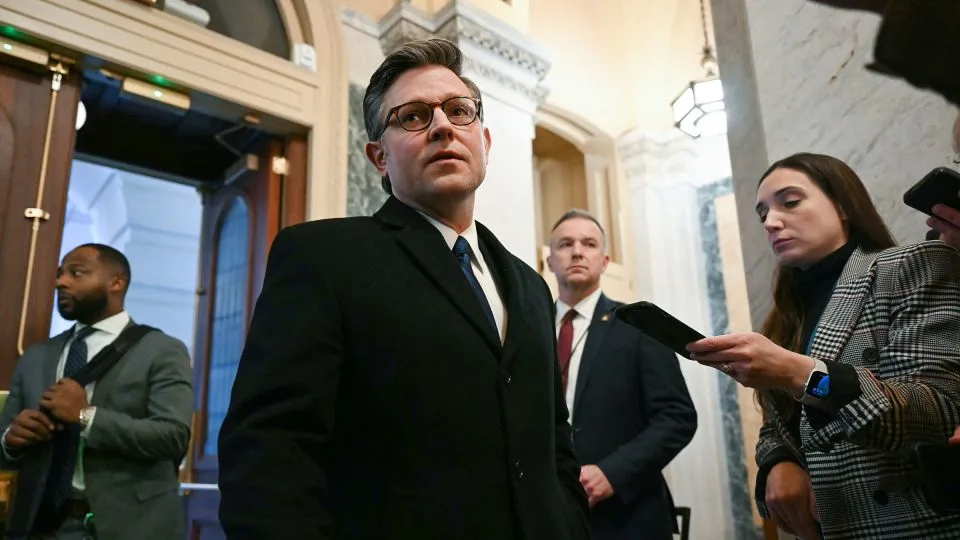
The partial shutdown, which has left certain federal operations in limbo, had intensified pressure on Speaker Mike Johnson and other GOP leaders, who scrambled to secure votes in a closely divided House. The GOP can afford only a single defection in key procedural votes, as Democrats are not expected to back the majority’s measure.
Why This Matters
The development marks a near-immediate end to a politically risky shutdown that could have lasted weeks, disrupting services and threatening public confidence in government operations. The episode also exposes the delicate balance GOP leadership must strike between appeasing hardline conservatives and ensuring the federal government continues to function.
Daljoog News analysis indicates that Trump’s personal involvement was decisive. Lawmakers facing pressure from both constituents and party hierarchy were likely influenced more by the president’s direct lobbying than by policy concerns alone.
Failure to pass the funding bill would have escalated tensions within the Republican conference, potentially weakening Johnson’s leadership and raising the prospect of intra-party conflict heading into upcoming legislative battles.
What Analysts or Officials Are Saying
Senior Republicans confirmed that Trump personally called and met with lawmakers to secure their support. Appropriations Chairman Tom Cole of Oklahoma noted that the president “wants this bill passed” and is actively working the phones across the conference.
Some conservatives, including Rep. Byron Donalds of Florida, expressed conditional support, tying their votes to separate legislative priorities such as voter ID measures. Donalds emphasized the Senate’s role in the impasse, highlighting the complex interplay between the two chambers.
Meanwhile, Senate Majority Leader John Thune sent a rare directive urging House Republicans to approve funding without attaching additional conservative amendments, signaling Senate impatience with procedural delays.
Daljoog News Analysis
This episode reinforces Trump’s enduring sway over the Republican Party. Even as Speaker Johnson seeks to maintain control of a fractious House, the president’s intervention proved sufficient to neutralize hardline opposition.
The maneuver also reflects a strategic choice by GOP leaders: avoid a high-profile government shutdown while promising hardline conservatives a separate path to pursue their legislative priorities, such as voter ID rules. Daljoog News notes that this compromise allows Trump to claim a win on party unity while Johnson retains procedural authority in the House.
The situation further underscores the fragility of legislative coalitions in a closely divided Congress. Even a single defection can derail critical votes, making presidential persuasion a key lever in contemporary governance.
What Happens Next
Congress is expected to vote on procedural rules Tuesday, with the funding bill likely advancing to reopen the government. If successful, federal agencies could resume normal operations almost immediately, ending the short-lived shutdown.
However, longer-term challenges remain. Lawmakers must still negotiate broader issues, including federal immigration enforcement and DHS operations, to avoid future disruptions. Additionally, conservative priorities like voter ID legislation will now move to the Senate, where negotiations are expected to be more complex and drawn out.
For now, Trump and GOP leadership have demonstrated their ability to resolve an immediate crisis, but Capitol Hill faces continued pressure to reconcile internal divisions while keeping essential government functions intact.