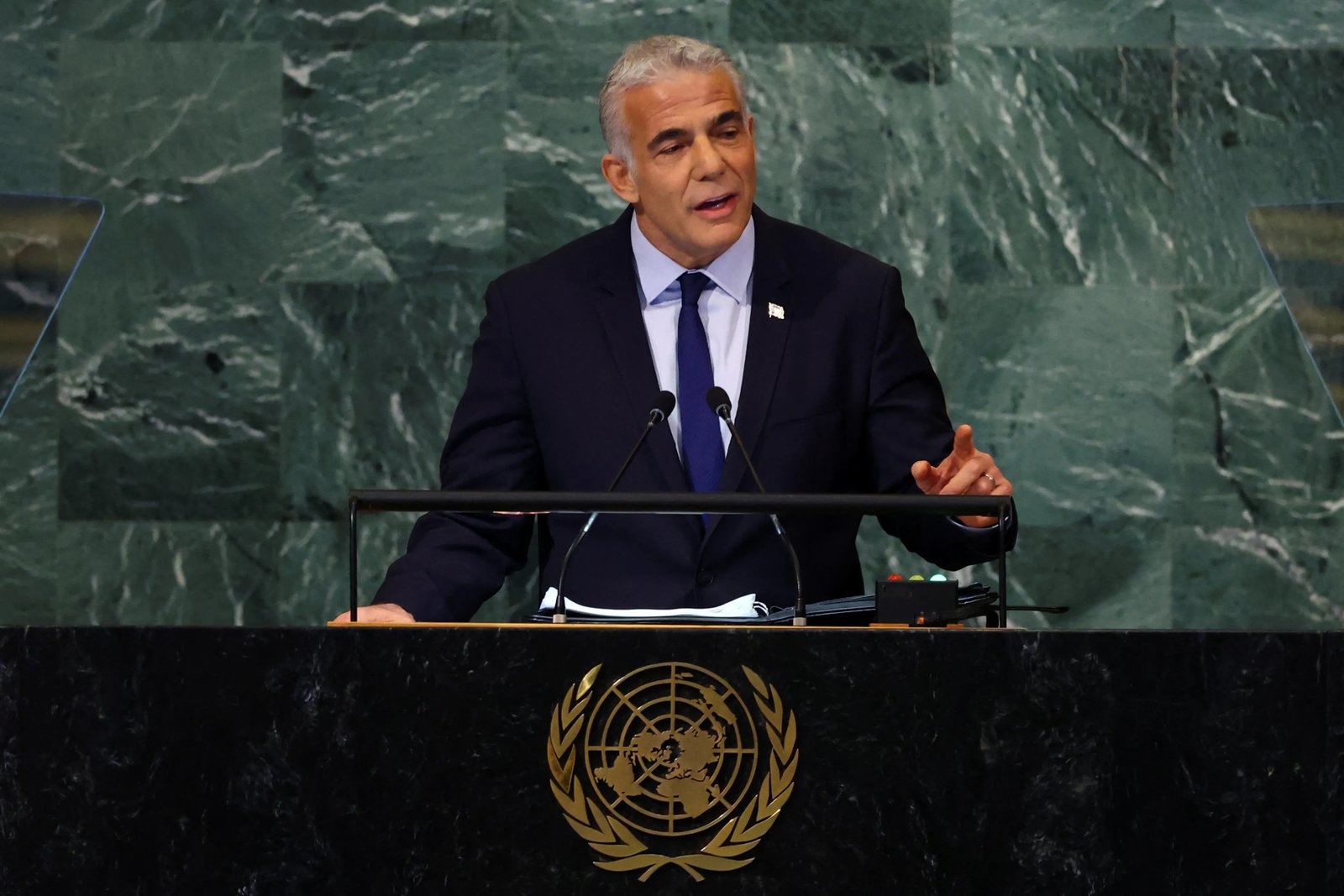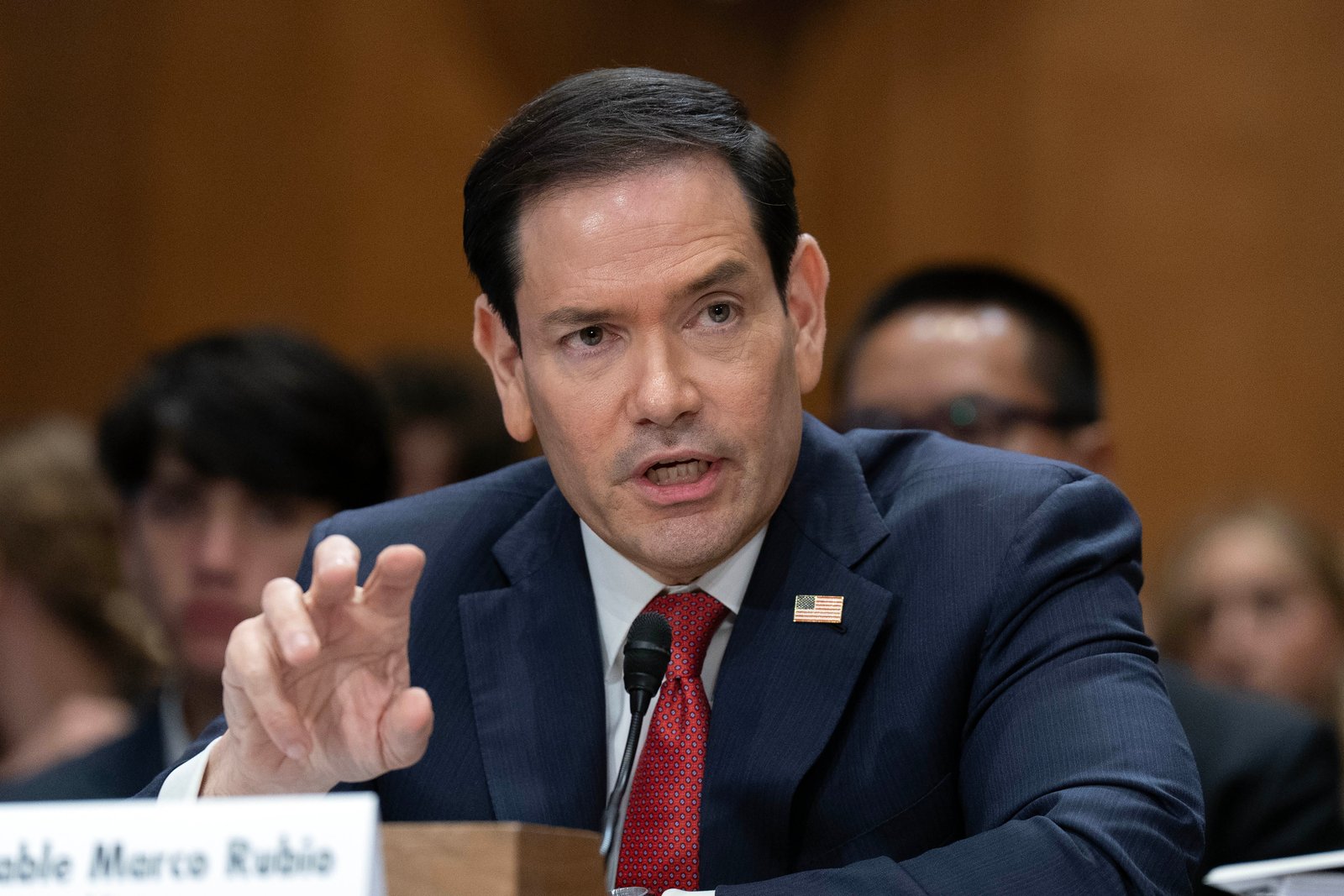


The White House is planning the first leaders’ meeting for President Donald Trump’s newly established “Board of Peace” concerning Gaza on February 19, Axios reported, citing a U.S. official and diplomats from four board countries.
According to Daljoog News analysis, the meeting represents a high-profile attempt by Washington to oversee Gaza’s reconstruction and regional stability, though the initiative has drawn skepticism from global experts.
The timing comes amid ongoing tensions in Gaza and a fragile ceasefire, raising questions about the board’s capacity to manage complex conflicts and international concerns over unilateral oversight.
What Happened?
The planned meeting is scheduled to take place at the U.S. Institute of Peace in Washington, D.C. Israeli Prime Minister Benjamin Netanyahu is expected to meet Trump at the White House a day earlier, on February 18.
Axios notes that the plans remain in early stages and could still change. The meeting will also serve as a fundraising conference for Gaza’s reconstruction, alongside discussions of broader regional issues.
The Board of Peace, chaired by Trump, was launched in late January with the stated goal of resolving global conflicts. Governments worldwide have reacted cautiously to the invitation, with some Middle Eastern allies joining, while many traditional Western partners have stayed away.
The initiative is linked to a U.N. Security Council resolution adopted in mid-November, which authorized the board and participating countries to establish an international stabilization force in Gaza. This followed a ceasefire agreement in October, brokered under Trump’s plan, signed by Israel and Hamas.
Why This Matters
The board’s first meeting carries significant political and diplomatic weight. Under Trump’s Gaza plan, the board was intended to supervise temporary governance in Gaza and may now expand its scope to address global conflicts.
Experts warn that having a U.S.-led board oversee Gaza’s administration could undermine the United Nations and raise concerns over sovereignty. Critics also highlight the absence of Palestinian representation, framing it as reminiscent of a colonial structure.
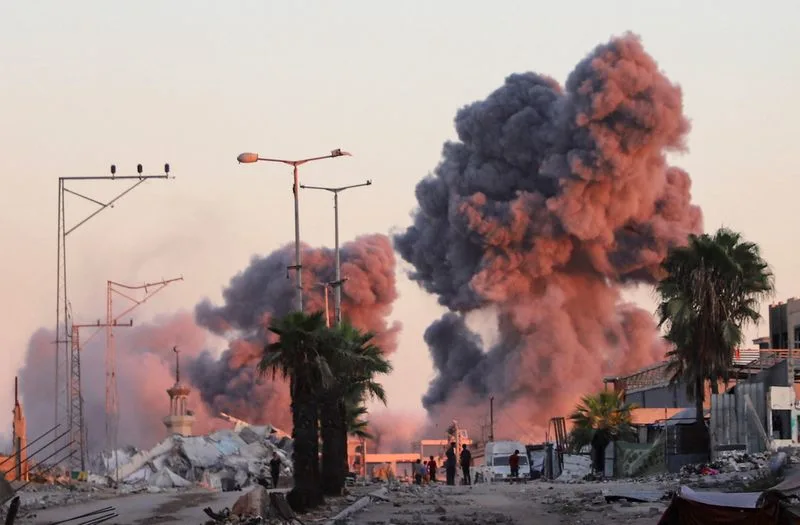
The humanitarian stakes remain high. The fragile ceasefire has been repeatedly violated, with reports of over 550 Palestinians and four Israeli soldiers killed since October. Gaza continues to face severe displacement, hunger crises, and ongoing military escalation.
What Analysts or Officials Are Saying
Rights experts, scholars, and U.N. inquiries describe Israel’s assault on Gaza since late 2023—which has resulted in over 71,000 Palestinian deaths—as potentially amounting to genocide. Israel maintains its actions are self-defense following a late 2023 Hamas attack that killed 1,200 people and took more than 250 hostages.
Analysts caution that Trump’s board could heighten tensions if it operates without broad international support or Palestinian inclusion. Some officials suggest the initiative could provide structure for reconstruction, while others see it as politically fraught and legally ambiguous.
Daljoog News Analysis
Daljoog News sees the Gaza Board of Peace as a highly controversial experiment in unilateral conflict management. While it promises reconstruction and oversight, the structure raises serious questions about legitimacy, representation, and long-term stability.
The timing—after years of conflict, ongoing humanitarian crises, and a fragile ceasefire—means that the board’s actions will be closely scrutinized. There is a risk that perceived U.S. dominance could inflame tensions rather than foster cooperation.
Nonetheless, the initiative signals Washington’s intent to maintain a central role in Middle Eastern affairs, combining political influence with humanitarian oversight, a combination that has rarely gone unchallenged in Gaza’s complex landscape.
What Happens Next
The first meeting on February 19 will test the board’s ability to coordinate international partners and manage reconstruction funds. Officials will watch closely for U.N. responses, Palestinian engagement, and Israeli cooperation.
The board could face diplomatic pushback or calls for reform if representation and transparency concerns are not addressed. Rights groups and international observers will likely scrutinize decisions on governance, reconstruction allocation, and ceasefire enforcement.
As global attention turns to Washington, the board’s outcomes may set a precedent for how external powers intervene in conflict zones, highlighting the delicate balance between humanitarian aid, political oversight, and regional sovereignty