



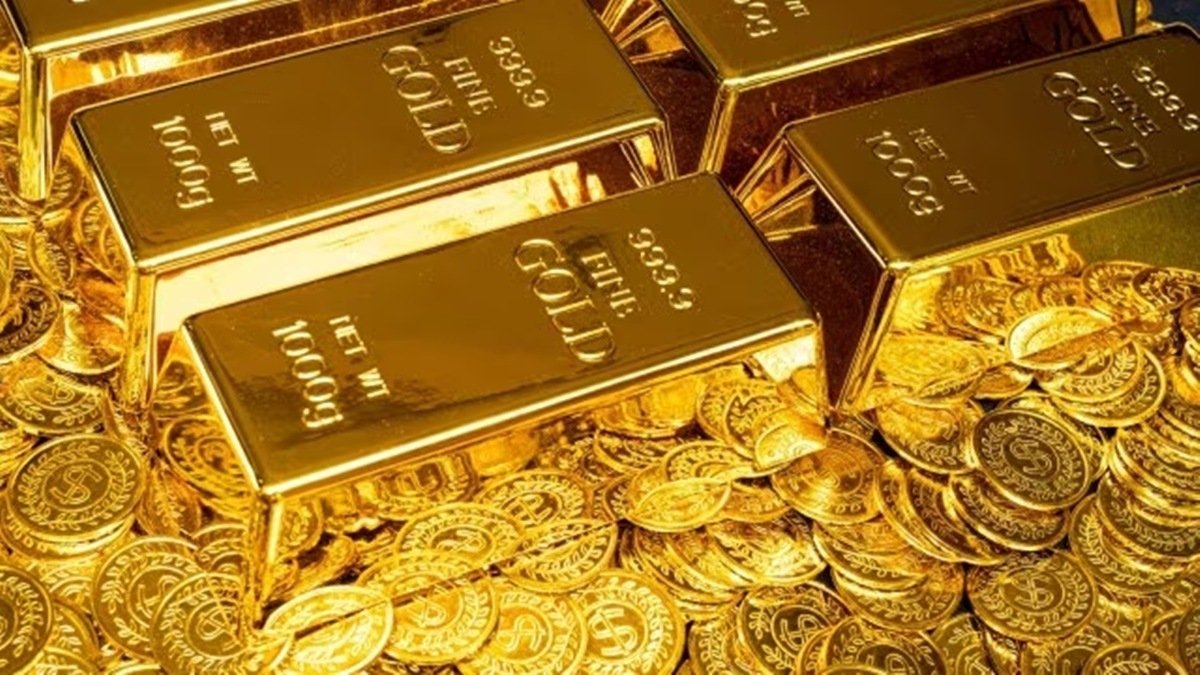
Gold, long regarded as a reliable store of value, has been moving like a high-volatility stock in recent trading. Prices surged past $4,970 per ounce before retreating, highlighting a new era of market swings.
According to Daljoog News analysis, the wild fluctuations reveal that even traditional safe-haven assets are no longer immune to modern market dynamics. Investors who once turned to gold for stability now face significant short-term swings.
This volatility comes amid geopolitical tension, inflation concerns, and persistent questions over global debt, all of which have pushed demand for hard assets while increasing the stakes for those seeking a secure store of wealth.
What Happened?
Gold fell roughly 7% earlier this week, echoing the volatility seen in bitcoin, which dropped around 20% before partially recovering. By Friday, gold had climbed back, posting weekly gains and sitting near $4,980 per ounce.
The swings have created charts reminiscent of meme-stock behavior, with rapid surges and dips challenging long-held assumptions about gold’s stability. Despite the fluctuations, year-to-date gains remain strong, with prices up about 14% in 2026.
JPMorgan analysts have forecasted that continued demand from central banks and private investors could push gold to $6,300 per ounce by the end of the year—a potential 25% increase from current levels.
Why This Matters
Gold’s recent price action underscores the tension between its historical role as a haven and its new reality as a volatile market asset. Rapid swings make short-term holding riskier, yet the underlying drivers—geopolitical uncertainty, currency debasement, and debt concerns—continue to encourage investors to hold gold.
For traditionalists, gold remains a cornerstone of wealth preservation. For traders and speculative investors, it is increasingly behaving like a high-risk equity, offering opportunities for outsized gains but requiring careful timing.
The comparison with bitcoin also highlights a market evolution: cryptocurrency, once touted as “digital gold,” has faced deeper drawdowns, while gold itself now exhibits shockingly sharp movements.
What Analysts or Officials Are Saying
Market analysts describe gold’s recent behavior as both “breathtaking and profoundly scary.” They attribute the volatility to a mix of inflation fears, central bank policies, and speculative trading driven by cultural shifts toward risk-on, casino-style investing.
Some investors are sitting tight, waiting out swings, while others have embraced the rapid-fire opportunities, buying dips in hopes of profiting from rebounds. Analysts stress that safe-haven assets require the right economic backdrop, including confidence in currency stability and low systemic risk, conditions that remain uncertain in 2026.
Daljoog News Analysis
Daljoog News analysis finds that gold is entering a paradoxical phase: still a hedge against uncertainty but increasingly subject to market speculation. Its volatility blurs the line between “store of value” and high-risk asset, challenging investors to balance long-term security with short-term opportunity.
Diversification is emerging as a crucial strategy. With gold, bitcoin, and other assets all moving unpredictably, investors are reminded that relying solely on one class of assets—regardless of its historic reputation—can be risky.
This week’s market story emphasizes a broader lesson: stability is relative, and in a fast-moving global economy, hedging risk across multiple asset types remains the most reliable approach.
What Happens Next
Gold prices are likely to continue reacting to geopolitical news, inflation reports, and central bank policies. Analysts suggest further short-term swings are inevitable, but medium- to long-term fundamentals support continued demand.
Investors should monitor both macroeconomic conditions and speculative flows, balancing exposure to gold with other assets to manage risk. As volatility persists, the most consistent winner in 2026 may be diversification itself.