


Connecticut Senate Republicans have introduced a sweeping $1.5 billion tax relief proposal that would permanently reduce income taxes and scale back electric bill charges, sharply diverging from Governor Ned Lamont’s one-time rebate plan.
According to Daljoog News analysis, the proposal signals a major political shift. After years of backing strict budget controls that produced record surpluses, Senate Republicans now argue the state should redirect those savings into recurring relief for working families.
The debate comes months before state elections and at a time when Connecticut holds strong reserves but still carries significant long-term pension obligations. The clash reflects competing visions for how to use the state’s surplus funds.
What Happened?
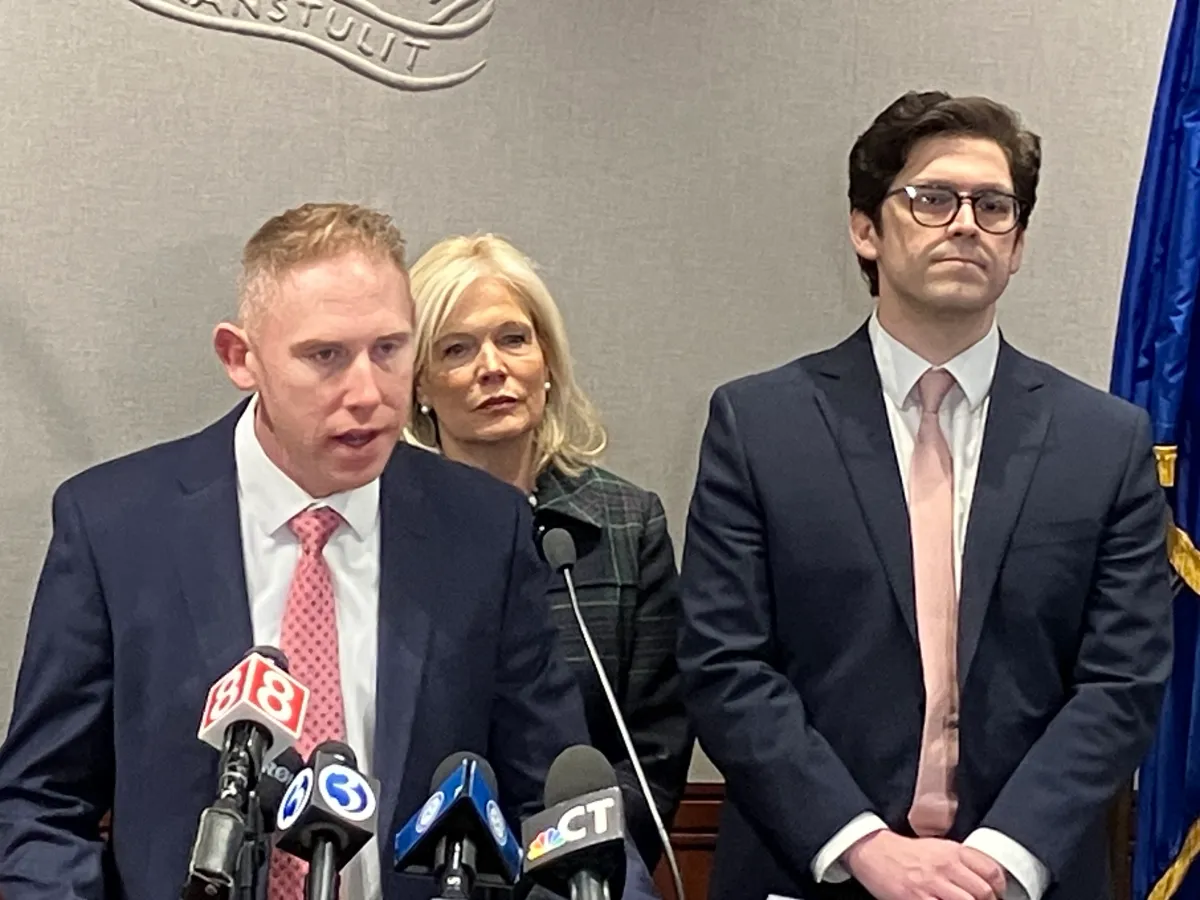
Senate Republicans unveiled a multi-part affordability package valued at roughly $1.5 billion per year.
The centerpiece is a restructuring of Connecticut’s income tax. The state currently applies seven tax brackets ranging from 2 percent to 6.99 percent. Under the GOP plan, the 2 percent bracket would disappear entirely. That would make the first $10,000 of income for single filers and $20,000 for couples tax-free.
The proposal would also reduce the 4.5 percent rate to 3 percent. Republican lawmakers estimate those changes would save taxpayers about $975 million annually.
The plan includes expanded property tax relief. Residents earning under $100,000, and couples earning under $200,000, would receive a refundable income tax credit covering their full municipal vehicle tax bill. Because the credit is refundable, low-income households that owe no income tax would still receive the benefit.
An existing credit covering up to $300 of property taxes on homes and land would remain, but it would no longer apply to vehicles.
Republicans also propose cutting the payroll tax that funds the state’s Paid Family and Medical Leave program from 0.5 percent to 0.4 percent. Lawmakers estimate workers would collectively save about $90 million per year.
On energy costs, the caucus wants to eliminate the “public benefits charge” that appears on electric bills. That charge funds energy efficiency programs, low-income assistance, renewable energy contracts, and other mandated initiatives costing roughly $1 billion annually.
Republicans suggest phasing out or reducing certain programs and shifting essential costs into the general state budget over several years.
Why This Matters
The proposal represents a dramatic departure from the fiscal restraint policies Connecticut adopted in 2017.
Those spending caps and revenue controls helped generate average annual surpluses of more than $1.8 billion. The state built a $4.3 billion rainy day fund and directed roughly $10 billion toward pension debt. Analysts credit those measures with stabilizing finances after years of deficits.
Connecticut still carries more than $33 billion in unfunded pension liabilities. Its per-capita debt remains among the highest in the country.
If fully enacted, the Republican plan would consume most projected future surpluses. State analysts estimate that revenue cap rules will force savings of $1.81 billion this fiscal year, with smaller captured amounts projected in subsequent years. Those figures may not fully cover a permanent $1.5 billion tax reduction.
Governor Lamont has proposed a narrower approach. He supports issuing one-time rebates of $200 per individual and $400 per couple, costing about $500 million. He also plans to direct additional funds toward a child care expansion endowment and further pension payments.
The core question facing lawmakers is whether Connecticut should lock in long-term tax cuts or continue prioritizing reserves and debt reduction.
What Analysts or Officials Are Saying
Senate Republican leaders argue that the state can afford sustained relief and that temporary rebates fail to address rising living costs.
They maintain that if Democrats revise fiscal guardrails in coming years, excess funds should flow back to taxpayers rather than expand government programs.
Governor Lamont’s office has criticized the proposal as fiscally risky. Administration officials argue that relying on volatile income and business tax revenue to support permanent tax reductions could recreate the structural deficits that plagued Connecticut before 2017.
Energy policy officials have also expressed caution about eliminating the public benefits charge. Some state regulators note that certain clean energy contracts and efficiency programs can lower long-term costs or provide credits to ratepayers. Others warn that shifting costs into the state budget may not reduce overall taxpayer burden.
Consumer advocates have emphasized the need for careful review, arguing that abrupt cuts to grid reliability programs or low-income assistance could produce unintended consequences.
Daljoog News Analysis
The Senate GOP proposal is as much a political statement as a fiscal blueprint.
For years, Republicans defended strict spending caps as essential to restoring credibility in Connecticut’s finances. Now they are testing whether voters prefer immediate tax relief over continued savings and debt reduction.
The plan also places pressure on Democrats ahead of elections. A permanent tax cut resonates differently than a one-time rebate mailed weeks before voters head to the polls.
However, the numbers leave little room for error. Connecticut’s revenue base relies heavily on high-income earners and capital gains. In strong economic years, that structure produces large surpluses. In downturns, it can quickly reverse.
If growth slows or markets decline, maintaining $1.5 billion in recurring relief could require spending reductions or program cuts.
On electric bills, the debate centers less on whether rates are high and more on how costs are distributed. Eliminating the public benefits charge may lower visible line items on monthly bills. But unless programs disappear entirely, taxpayers could still fund them elsewhere.
For readers tracking Connecticut’s broader fiscal trajectory, similar debates have emerged nationwide as states weigh surplus-driven tax relief against long-term liabilities.
What Happens Next
The proposal now enters the legislative process, where it faces resistance from the Democratic majority.
Budget negotiations will intensify as lawmakers approach fiscal deadlines and election season. Compromise options may include partial rate reductions, scaled-back credits, or phased implementation.
Energy reform discussions are likely to unfold separately through committee hearings, where regulators, utilities, and consumer advocates will weigh in.
Voters will ultimately influence the direction of state policy. The outcome of gubernatorial and legislative races could determine whether Connecticut prioritizes aggressive tax relief or continued fiscal consolidation.