


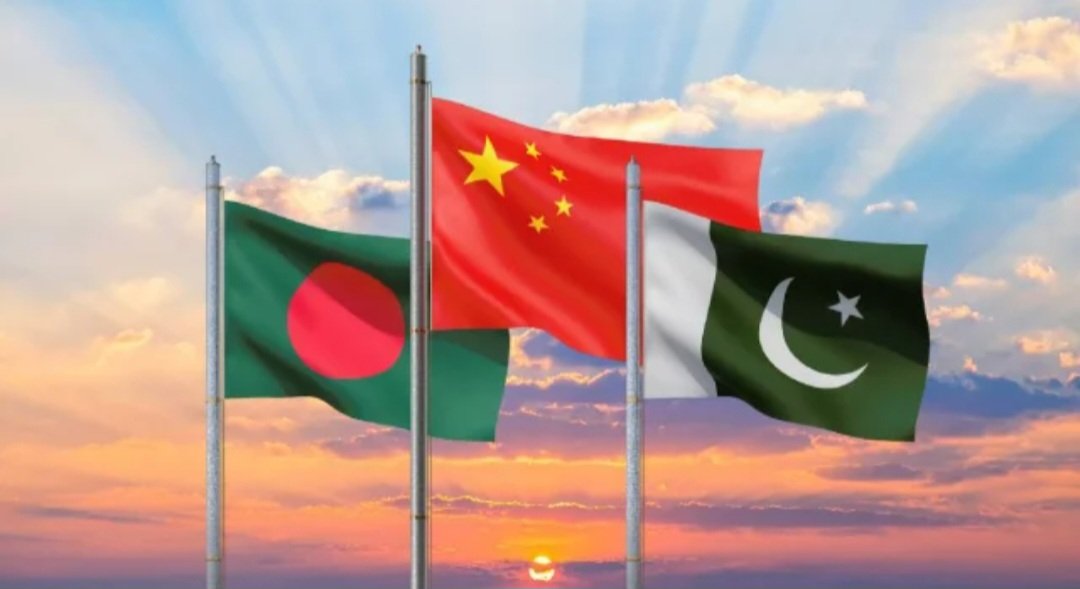
Tensions between India and Bangladesh are creating openings for China to strengthen its influence in South Asia, especially as Bangladesh prepares for national parliamentary elections later this year.
According to Daljoog News analysis, the strain in Indo-Bangladesh relations—partly stemming from past political controversies, including the exile of former Prime Minister Sheikh Hasina in Delhi—has prompted Dhaka to explore alternative partners. China is now actively positioning itself as a major economic and strategic ally.
The situation comes at a sensitive moment: Bangladesh’s upcoming elections and ongoing domestic economic challenges have made foreign investment and development partnerships a top priority for policymakers.
What Happened?
Reports from Daljoog News and other international media highlight how China has increased engagement with Bangladesh in recent months, offering investments in major infrastructure and commercial projects. Beijing has accelerated high-level visits, trade negotiations, and partnership proposals to solidify its presence.
At the same time, unresolved border and connectivity issues with India have contributed to a cooling of bilateral relations. These developments create a strategic gap that China is seeking to fill, presenting itself as Dhaka’s primary partner for long-term economic growth and regional strategy.
Why This Matters
Historically, India has pursued a “Neighborhood First” policy, with Bangladesh at the center of its regional influence. Any reduction in Indian leverage could have far-reaching consequences for South Asia’s balance of power.
China’s growing involvement under the Belt and Road Initiative (BRI) is shifting economic and strategic calculations in Dhaka. As Bangladesh increasingly considers Chinese investment for infrastructure, energy, and trade, India faces a challenge in maintaining its traditional dominance in the region.
This dynamic could reshape alliances, trade patterns, and strategic influence across South Asia, potentially giving Beijing greater leverage over key regional decisions.
What Analysts or Officials Are Saying
Regional experts note that Bangladesh’s economic needs, coupled with electoral considerations, make Chinese engagement particularly attractive. Analysts argue that Dhaka’s policymakers are carefully weighing Beijing’s offers against Indian influence, seeking maximum benefit for infrastructure development and economic growth.
Observers suggest that India may need to recalibrate its diplomatic and economic strategies if it hopes to maintain its central role in Bangladesh and the wider region. The situation underscores the complex interplay between domestic politics, foreign investment, and geopolitical competition.
Daljoog News Analysis
China’s opportunistic approach reflects a broader trend of Beijing using regional tensions to expand influence. By positioning itself as a reliable partner for Bangladesh, China is challenging India’s historical dominance and potentially altering South Asia’s strategic landscape.
The elections in Dhaka will serve as a critical test. How Bangladesh balances relations between India and China could signal a major shift in the region’s power dynamics. Beijing’s ability to offer tangible economic benefits enhances its leverage, while India’s responses—or lack thereof—may determine whether it retains its traditional influence.
What Happens Next
In the coming months, attention will focus on Bangladesh’s electoral outcomes and the subsequent foreign policy decisions. China is likely to continue accelerating investment and high-level engagement, while India may increase diplomatic outreach to counter Beijing’s growing footprint.
The evolving triangular dynamic between India, Bangladesh, and China will play a key role in shaping economic partnerships, security arrangements, and regional stability across South Asia.