


Minneapolis is confronting a sensitive task: determining the future of streetside memorials for Renee Good and Alex Pretti, two U.S. citizens killed by federal agents last month during the Trump administration’s immigration crackdown.
According to Daljoog News analysis, these makeshift memorials reflect both public grief and community activism, echoing past efforts to commemorate George Floyd while raising questions about city planning and public safety.
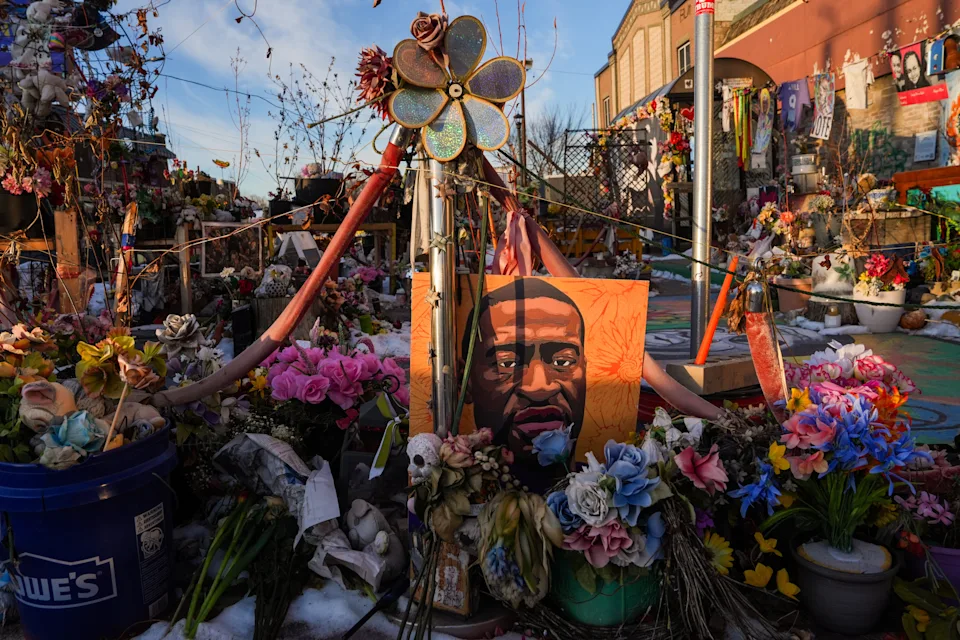
The memorials, marked by flowers, artwork, and candles, have quickly become gathering spots for vigils, music performances, and daily visitors, highlighting the ongoing emotional impact of the recent shootings.
What Happened?
Good was killed on Jan. 7 and Pretti on Jan. 24, both in Minneapolis. Community members rapidly transformed the sites into memorials. Flowers, handmade signs, candles, and personal tributes appeared within hours, drawing residents to honor the victims.
Volunteers now maintain the Good memorial on a residential street, which remains open to traffic but features cones to allow visitors to pass safely. Meanwhile, the Pretti memorial along a commercial corridor known as “Eat Street” has prompted temporary traffic shifts and parking closures to accommodate mourners.
These memorials are reminiscent of George Floyd Square, where the city took more than five years to formalize an official commemoration of Floyd’s death. Construction for Floyd Square is now scheduled to begin this year, signaling Minneapolis’s ongoing struggle to balance remembrance with public infrastructure.
Community members have expressed that the memorials provide a vital outlet for solidarity and healing. Local resident Karel Hoffmann said the sites allow the community to grieve together, while nurse Lynn Elrod contributed her own tribute featuring photos and symbols of love for both victims.
Why This Matters
The deaths of Good and Pretti have drawn intense public attention, not only for the circumstances of the killings but also for the city’s response in managing memorial spaces. Streetside memorials can serve as powerful symbols of collective mourning, but they also create logistical and safety challenges for the city.
Temporary modifications to traffic patterns and public space reflect Minneapolis’s attempt to accommodate public grief while ensuring emergency access. How the city ultimately chooses to handle these memorials will shape public perception of accountability and community engagement in the aftermath of federal enforcement actions.
These decisions carry implications beyond the immediate neighborhood. Residents, activists, and city officials must balance honoring the victims with the practical realities of urban planning, commerce, and transportation.
What Analysts or Officials Are Saying
City spokesperson Jess Olstad emphasized that public safety and community space are both top priorities. Minneapolis officials are working to ensure that the memorials allow grieving while keeping emergency access intact.
Mayor Jacob Frey’s office stated that it is “too early” to determine whether either memorial will become permanent. Officials have committed to continued engagement with community members to guide next steps.
Observers note that Minneapolis’s handling of these memorials may set precedents for future cases where public mourning intersects with urban infrastructure and municipal policy. The Floyd Square experience demonstrates the complexities of balancing memorialization, public access, and city operations over extended periods.
Daljoog News Analysis
These memorials underscore the deep emotional resonance of local tragedies. They reveal how quickly communities mobilize to create public spaces for grief and how city authorities must adapt to unforeseen circumstances.
Unlike Floyd Square, which has been the subject of prolonged negotiation and planning, the memorials for Good and Pretti emerged almost instantly. This rapid formation reflects both the immediacy of public response and the challenges cities face in responding in real time.
From an urban planning perspective, memorial sites along streets and commercial areas introduce considerations around traffic flow, emergency access, and local business operations. Minneapolis must weigh these practical factors alongside community sentiment.
Daljoog News notes that the political and social dimensions are intertwined. Federal enforcement actions, especially controversial ones, can catalyze civic engagement and influence city policy decisions. How Minneapolis handles these memorials may shape both public trust and community healing.
What Happens Next
City officials plan to engage the community to determine potential long-term solutions for the Good and Pretti memorials. Temporary safety measures, such as traffic cones and restricted parking, will remain in place while discussions continue.
The city may eventually consider permanent recognition, similar to Floyd Square, but any decisions will require balancing public sentiment, safety, and urban logistics.
Residents and activists are expected to continue using the spaces for vigils, music, and public gatherings. Meanwhile, city planners will monitor traffic, pedestrian safety, and accessibility.