

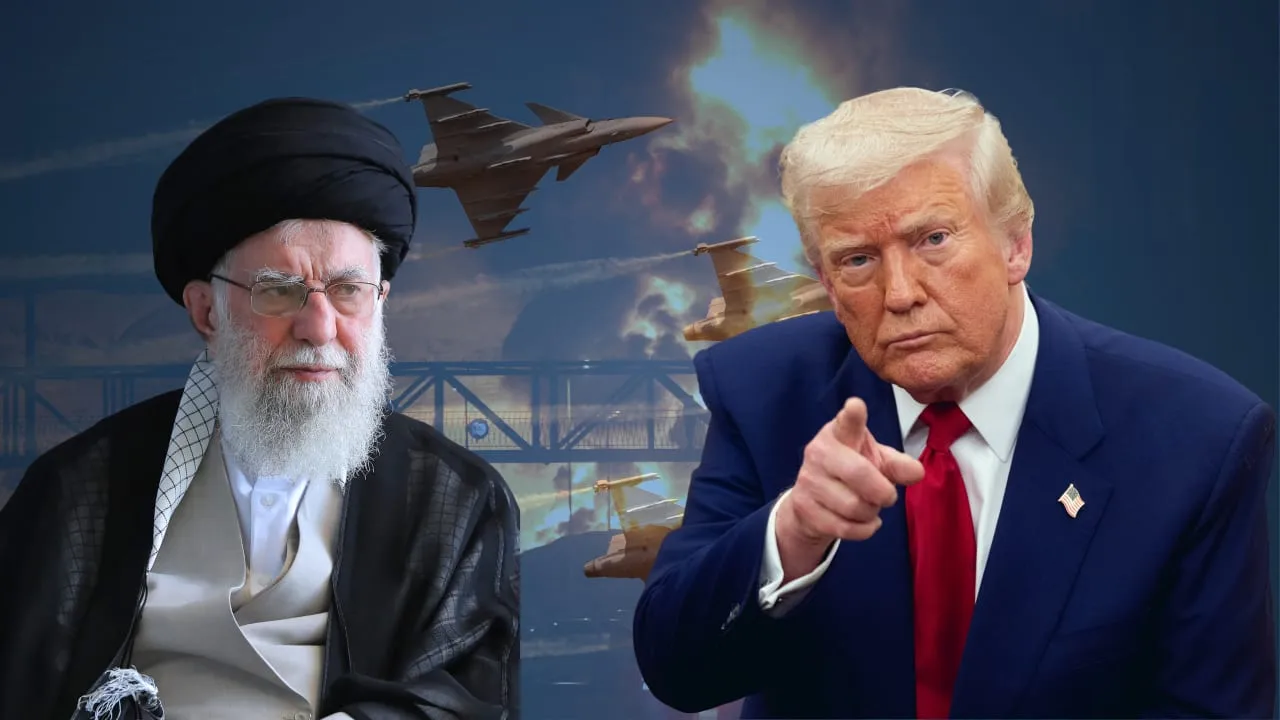
The United States has announced the deployment of a second naval fleet toward the Middle East as tensions with Iran intensify. President Donald Trump confirmed the move during a White House briefing, warning that Washington is prepared to escalate pressure if no agreement is reached.
According to Daljoog News analysis, the decision signals a sharp military posture shift, raising the risk of direct confrontation between Washington and Tehran at a time of fragile regional stability.
Iran responded by declaring that its missile forces are on standby and warned that any attack would trigger a firm response. The standoff now places the Gulf region on heightened alert.
What Happened?
Two US officials told Reuters that Washington is preparing for potential military operations that could last several weeks if tensions continue to rise.
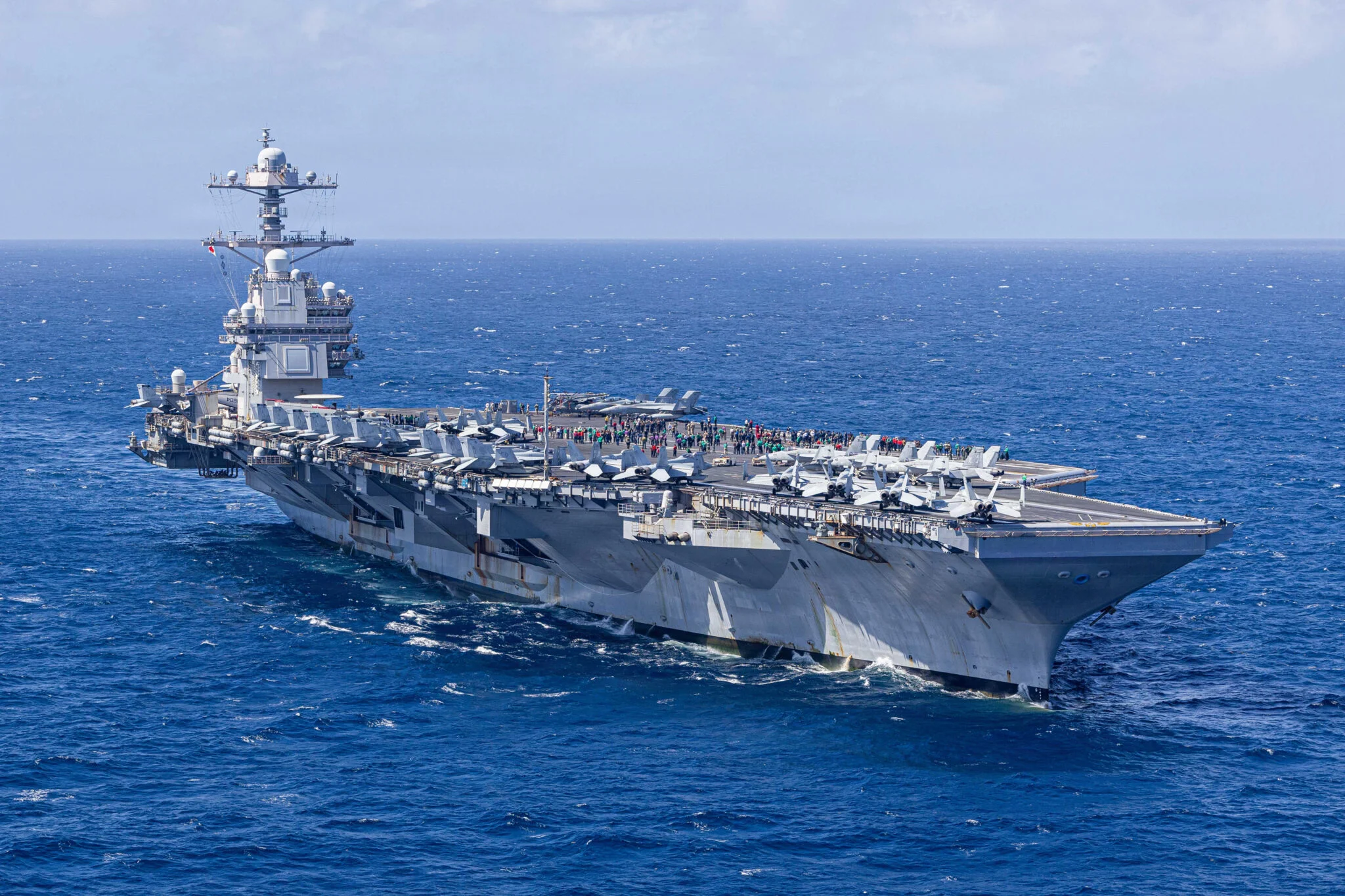
President Trump confirmed that the aircraft carrier USS Gerald R. Ford is ready to sail toward Iranian waters. The vessel would join other US naval assets already positioned in the region.
The announcement came during a White House press briefing, where Trump stated that failure to reach a new understanding with Tehran could leave regime change as the only remaining option. He argued that decades of negotiations have failed to curb Iranian policies Washington views as destabilizing.
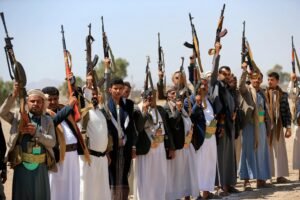
Meanwhile, Iranian officials said their armed forces are prepared for retaliation. Tehran indicated that missile systems have been placed on alert in case of an attack.
The escalation follows weeks of mounting rhetoric and military signaling from both sides. US naval forces were already present in the Middle East before the second deployment announcement.
Why This Matters
The deployment of a second carrier group significantly increases US strike capacity in the region. Aircraft carriers function as mobile airbases, capable of launching sustained air operations without relying on local runways.
Such a move sends a strategic message not only to Iran but also to regional allies and adversaries. It signals readiness and deterrence.
However, it also raises the risk of miscalculation. When opposing forces operate in proximity, even minor incidents can escalate quickly.
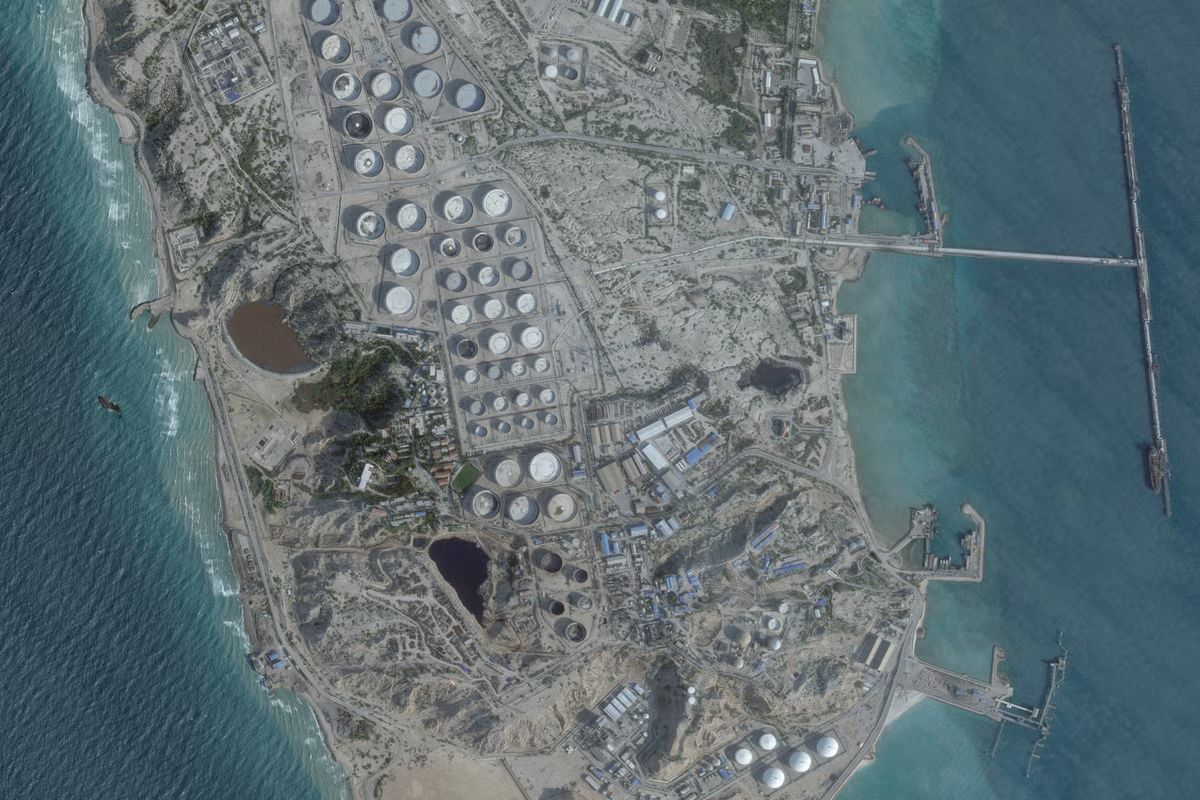
The Persian Gulf and surrounding waters are critical corridors for global energy shipments. Any military confrontation could disrupt oil supply chains and send shockwaves through international markets.
What Analysts or Officials Are Saying
US officials argue that additional deployments strengthen deterrence and provide leverage in negotiations. They maintain that military pressure increases the chances of forcing Iran back to the negotiating table.
Iranian authorities, however, frame the move as provocation. Officials in Tehran insist they will not yield to threats and will defend national sovereignty if attacked.
Exiled Iranian opposition figure Reza Pahlavi has also entered the debate, calling for renewed domestic protests inside Iran. He claims public frustration with the current leadership is widespread and argues that democratic reform is necessary.
Security analysts caution that rhetoric about regime change can harden positions rather than open diplomatic space. They note that both sides face domestic political pressures that may limit compromise.
Daljoog News Analysis
The second fleet deployment marks more than symbolic posturing. It shifts the regional balance from tension to potential confrontation.
Aircraft carrier strike groups are rarely deployed without intent. Even if the move aims at deterrence, it creates conditions where escalation becomes easier than de-escalation.
Trump’s public mention of regime change also narrows diplomatic maneuvering room. Such language historically triggers defensive reactions from targeted governments.
At the same time, Tehran’s declaration that its missile arsenal is prepared reinforces a cycle of signaling that increases the probability of misjudgment.
Neither side appears eager for full-scale war. Yet history shows that prolonged standoffs in confined maritime zones can spiral unexpectedly.
The broader geopolitical context complicates matters further. Regional rivalries, proxy conflicts, and global power competition intersect in the Gulf. Any confrontation would likely extend beyond bilateral exchange.
What Happens Next
Diplomatic channels may intensify behind the scenes, even as public rhetoric remains sharp. Backchannel negotiations could attempt to prevent open conflict.
Military activity in the Gulf will likely increase in the short term. Surveillance flights, naval patrols, and missile readiness measures are expected to remain elevated.
Global markets will monitor developments closely, particularly energy prices. Insurance costs for shipping through regional waters may also rise if tensions persist.
The coming weeks will determine whether this deployment strengthens deterrence or pushes the region closer to open conflict.