


Hundreds of thousands of demonstrators gathered in major cities worldwide on Saturday, demanding political change in Iran following a violent domestic crackdown. Organizers described the coordinated events as a Global Day of Action aimed at amplifying calls for democratic reform.
According to Daljoog News analysis, the scale and geographic spread of the protests signal growing international mobilization among the Iranian diaspora and its political allies.
The rallies unfolded as tensions between Tehran and Washington remain elevated, adding a geopolitical dimension to what organizers frame as a human rights movement.
What Happened?
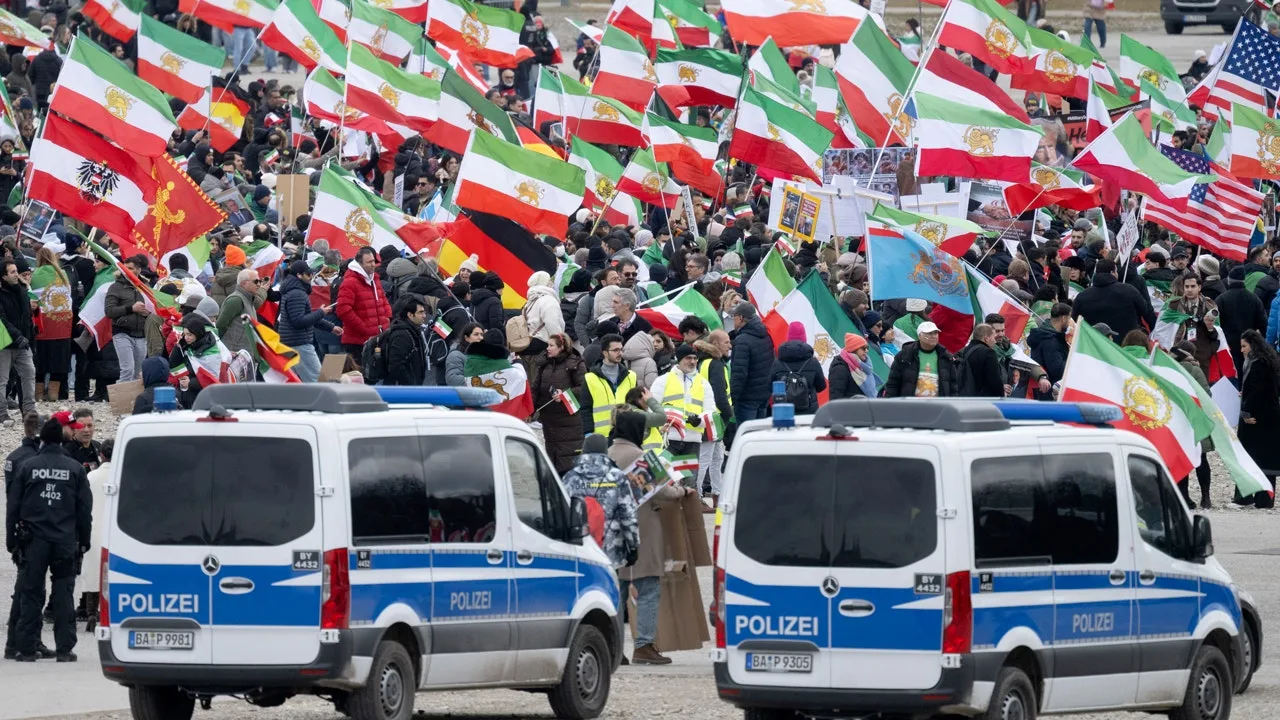
The largest demonstration took place in Munich, where police estimated that more than 250,000 people assembled near the venue of the Munich Security Conference. Authorities described the atmosphere as peaceful despite the crowd size.
Protesters waved green, white and red flags bearing the historic lion-and-sun emblem. Many chanted slogans calling for regime change and democratic governance in Iran.
Large rallies were also reported in Toronto, London, Los Angeles, Melbourne, Athens and Tokyo. Toronto officials estimated that approximately 350,000 people marched through the city’s streets.
Exiled Iranian Crown Prince Reza Pahlavi attended the Munich rally and urged sustained pressure on Tehran. He argued that international support and continued public mobilization could accelerate political transformation inside Iran.
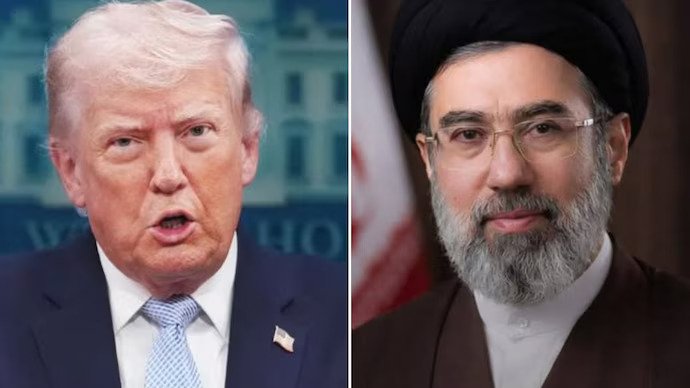
In Washington, President Donald Trump recently suggested that regime change could be beneficial, while Senator Lindsey Graham echoed similar sentiments during events surrounding the Munich conference.
Why This Matters
The protests highlight the expanding role of diaspora communities in shaping global narratives about Iran. Demonstrations outside the country often influence diplomatic conversations and media coverage.
Holding the largest rally alongside the Munich Security Conference gave organizers maximum visibility among policymakers and defense officials. That positioning suggests a strategic effort to link human rights advocacy with high-level security discussions.
Iran’s leadership has faced waves of domestic unrest in recent years. International solidarity events amplify those grievances but also risk further hardening Tehran’s position.
The scale of turnout in cities like Toronto reflects the strength of Iranian expatriate communities. In democracies with significant diaspora populations, sustained activism can shape parliamentary debates and foreign policy stances.
What Analysts or Officials Are Saying
Organizers described the rallies as a response to what they characterize as intensified repression inside Iran. They argue that global demonstrations send a message of solidarity to protesters within the country.
Reza Pahlavi has publicly called for international intervention and sustained protest pressure, asserting that change is inevitable. His stance aligns with some Western lawmakers who view Tehran as resistant to negotiation.
Senator Graham said negotiations with the current Iranian leadership are unlikely to succeed, urging demonstrators to continue mobilizing.
Iranian authorities have historically dismissed diaspora protests as externally driven political campaigns. Tehran maintains that foreign governments seek to destabilize the country.
Security experts caution that public endorsements of regime change by foreign leaders may complicate diplomatic engagement. They warn that such rhetoric can entrench positions and narrow avenues for compromise.
Daljoog News Analysis
Saturday’s demonstrations reveal a convergence of activism and geopolitics. What began as domestic protests inside Iran has evolved into a global advocacy movement.
The presence of political figures and the use of high-profile security forums as backdrops indicate a calculated attempt to internationalize the issue.
However, regime change movements often face complex realities. External support can energize opposition groups, but it may also justify ruling authorities to frame unrest as foreign interference.
The protests also underscore generational shifts within diaspora communities. Younger activists increasingly use global networks and coordinated messaging to amplify their demands.
Whether these demonstrations translate into tangible policy shifts remains uncertain. Diplomatic calculations often balance human rights concerns against strategic stability and regional security.
What Happens Next
Organizers say additional demonstrations are planned in the coming weeks. Advocacy groups are expected to lobby lawmakers in Europe and North America for stronger positions against Tehran.
Iran’s government is unlikely to alter its stance in response to overseas protests alone. However, sustained international attention may influence diplomatic negotiations and sanctions debates.
Upcoming policy discussions in Western capitals will test how far governments are willing to align with calls for political transformation in Iran.