

US Secretary of State Marco Rubio sought to calm European concerns during a closely watched address at the Munich Security Conference, reaffirming Washington’s commitment to the transatlantic alliance — while warning that continued support hinges on Europe changing course.
Speaking in Munich at the annual Munich Security Conference, Rubio blended reassurance with resolve. His message: the United States values its partnership with Europe, but expects allies to assume greater responsibility for their own defense and align more closely with Washington’s strategic outlook.
What Happened?
In his high-profile speech, Rubio emphasized shared history and cultural ties between the United States and Europe, describing America as a “child” of Europe with intertwined destinies. His remarks were met with applause from parts of the audience.
However, the speech carried a clear warning. Rubio stated that while Washington prefers to work alongside European allies, it is prepared to “do this alone” if necessary. He stressed that NATO members must strengthen their defense capabilities to deter adversaries and prevent overreliance on US military support.
The address marked a notable tonal shift from last year’s conference, when Vice President JD Vance delivered sharp criticism of Europe’s internal policies and security posture from the same podium.
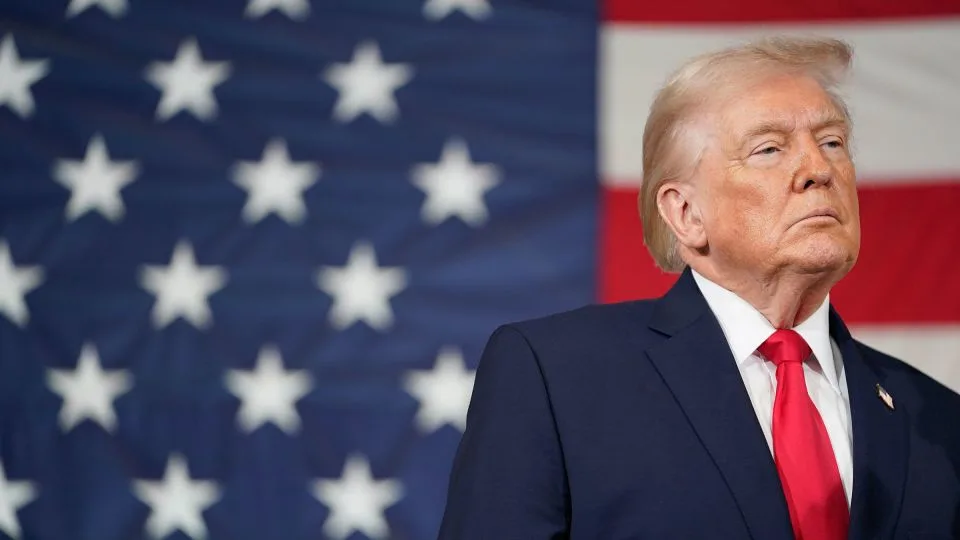
President Donald Trump has repeatedly pressed European governments to increase defense spending and reduce dependence on American security guarantees, particularly within NATO. Rubio’s speech echoed that position but in more diplomatic language.
Why This Matters
The transatlantic alliance has faced mounting strain amid disagreements over defense spending, trade policy and geopolitical strategy.
Rubio’s remarks come at a time when European leaders are questioning Washington’s long-term commitment to NATO and broader international cooperation. Trump’s rhetoric on tariffs, foreign aid reductions and strategic autonomy has fueled concerns about a potential US pullback.
German Chancellor Friedrich Merz warned ahead of the speech that divisions between Europe and the United States have widened, signaling unease among key allies.
Rubio acknowledged shifting global dynamics, saying the “old world” order has changed and that a new geopolitical era demands adaptation. His framing suggests the administration seeks to reshape — rather than abandon — the alliance.
What Analysts or Officials Are Saying
European diplomats described Rubio’s tone as conciliatory compared with Vance’s address a year earlier. By emphasizing shared civilization and partnership, Rubio sought to reduce anxiety about a potential rupture.
At the same time, policy analysts note that the underlying message remains unchanged: European allies must increase defense contributions and adopt policies aligned with Washington’s priorities.
Rubio underscored that the US does not seek separation but “revitalization” of the alliance — a phrase signaling reform rather than retreat.
Vice President Vance publicly praised Rubio’s speech, reinforcing that it reflects the administration’s broader national security strategy.
Daljoog News Analysis
Rubio’s speech illustrates the administration’s dual-track approach: diplomatic reassurance paired with strategic pressure.
By invoking shared heritage and history, Rubio appealed to unity. Yet his insistence on reform underscores Washington’s frustration with what it views as Europe’s insufficient burden-sharing.
The key question is whether European governments will interpret the message as constructive engagement or conditional partnership. Calls for increased defense spending have circulated for years, but implementation has varied across NATO members.
If Europe accelerates defense reforms, the alliance could emerge more balanced. If not, Washington’s willingness to act unilaterally may deepen existing divisions.
What Happens Next
European leaders are expected to continue discussions on defense spending commitments and strategic autonomy in the months ahead. NATO budget targets will likely remain a central issue.
Future summits and bilateral meetings between US and European officials will test whether Rubio’s message leads to concrete policy adjustments — or further diplomatic friction.