


The United States reportedly relied on Anthropic’s AI cloud platform during a high-stakes operation targeting Venezuelan President Nicolás Maduro. The revelation has prompted global debate over artificial intelligence in military missions.
According to Daljoog News analysis, using a widely recognized AI service for such a sensitive operation marks a rare and controversial step in military technology adoption. The move raises questions about oversight and corporate responsibility in AI deployment.
The operation, carried out earlier this year, underscores the growing intersection between AI technology and modern conflict. Analysts warn that this episode could set new precedents for how AI is used in warfare and national security.
What Happened?
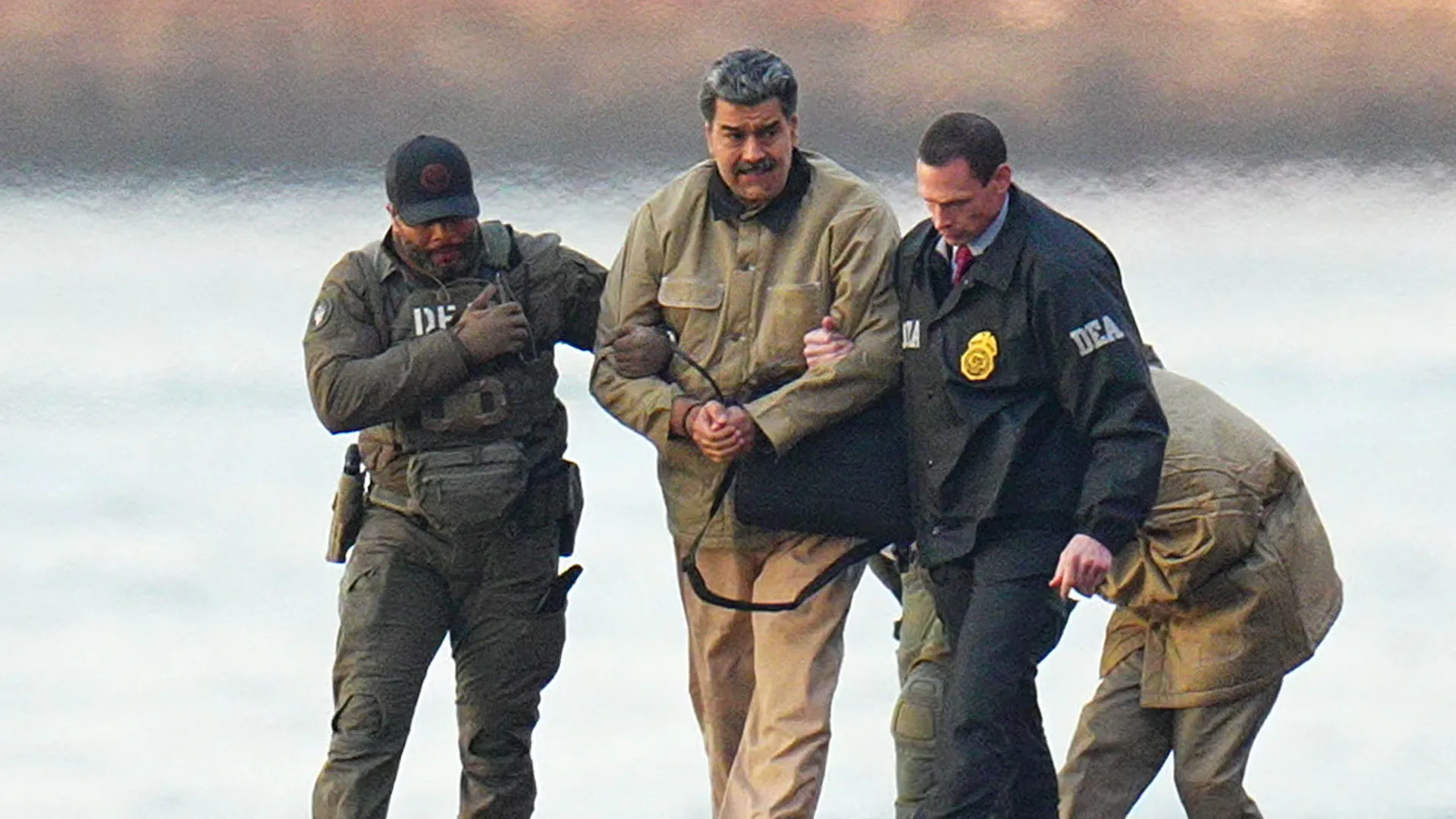
In January, U.S. forces launched a covert mission aimed at capturing Nicolás Maduro in Venezuela. A subsequent investigation by the Wall Street Journal revealed that the military reportedly used Anthropic’s cloud-based AI chatbot, Claude, to assist with operational planning.
Anthropic, a prominent AI developer alongside Google and OpenAI, generally restricts its technology from being used in violent or military applications. Its internal policies explicitly prohibit applications involving weapons, surveillance of individuals, or actions that could lead to harm.
Despite these safeguards, Anthropic’s technology was reportedly accessed through a partner company, Palanty Technologies, raising concerns about whether the U.S. military circumvented restrictions. Sources indicate the AI may have been employed for tasks ranging from data analysis to strategic mission support, although exact details remain classified.
Why This Matters
The use of a commercial AI platform in a military operation blurs the line between civilian technology and defense applications. It highlights the potential risks of dual-use AI, where tools designed for everyday tasks are adapted for lethal or coercive purposes.
This incident also pressures AI companies to enforce ethical guidelines more rigorously. Stakeholders warn that allowing military use of such platforms could damage public trust and invite regulatory scrutiny. The global debate over AI ethics and governance intensifies as technology becomes increasingly integrated into defense strategies.
What Analysts or Officials Are Saying
Experts note that this is the first known instance of a major AI company’s cloud-based chatbot being implicated in a direct military operation. Analysts suggest that even if AI was used in a supportive rather than combative role, its deployment still raises accountability and liability concerns.
Officials at Anthropic have reportedly sought clarification from Palanty Technologies, emphasizing that any application violating their use policies constitutes a serious breach. U.S. defense representatives have declined to comment on the operational specifics but acknowledge AI tools are increasingly considered for intelligence and logistics support.
Daljoog News Analysis
This episode signals a turning point in AI’s role in modern conflict. Commercial AI systems, once limited to customer service and enterprise tasks, are now being evaluated for strategic military use. While Anthropic’s safeguards are designed to prevent misuse, the reliance on partner networks highlights potential loopholes.
The situation underscores the need for stronger governance frameworks. Without clear global norms, the integration of civilian AI into military operations could accelerate ethical and geopolitical tensions. Daljoog News sees this as a cautionary tale: innovation without oversight can inadvertently escalate conflict or spark controversy.
What Happens Next
Observers expect heightened scrutiny from both regulators and AI developers. Anthropic may face pressure to tighten contractual controls and monitor third-party access more strictly. International organizations could also push for new standards governing the use of commercial AI in defense contexts.
For U.S. military operations, this revelation may trigger internal reviews of AI integration policies and ethics protocols. The broader conversation about AI in warfare is likely to intensify, influencing future operations, corporate responsibilities, and global regulatory approaches.