

Muslims around the world are preparing to observe Ramadan, the ninth month of the Islamic lunar calendar, with daily fasting from dawn to sunset. The holy month is a period of spiritual reflection, prayer, and increased charity.
According to Daljoog News analysis, Ramadan blends religious devotion with rich cultural traditions, fostering community gatherings and family celebrations, particularly at the daily iftar meal that breaks the fast.
This year, Ramadan coincides roughly with Ash Wednesday, a significant day of fasting and reflection for Christians, highlighting the seasonal and interfaith overlaps that make early 2026 a unique time for spiritual observances globally.
What Happens During Ramadan?
Ramadan begins when the crescent moon is sighted, and in 2026, the first day is expected on or around February 18 or 19. The exact date varies among countries and communities depending on local Islamic authorities.
Fasting, one of the Five Pillars of Islam, requires abstaining from food, drink, and other physical needs from dawn to sunset. Observant Muslims eat a predawn meal called suhoor to sustain themselves through the day and break the fast at sunset with iftar.
Beyond abstaining from food, Ramadan emphasizes devotion through prayer, Quran reading, and reflection. Mosques often host additional congregational prayers, and many Muslims dedicate more time to acts of worship and spiritual study.
Charity is central to the month. Families, communities, and organizations distribute food boxes, provide free meals, or share simple items like dates and juice with those in need. These practices reinforce empathy and solidarity with the less fortunate.
Who Is Exempt From Fasting?
Not everyone is required to fast. Exemptions apply to those who are ill, traveling, pregnant, nursing, elderly, or otherwise unable to observe the fast. Individuals who miss days due to valid reasons are expected to make up the fast at a later date, maintaining the spiritual intent of Ramadan.
Cultural Traditions Around the World
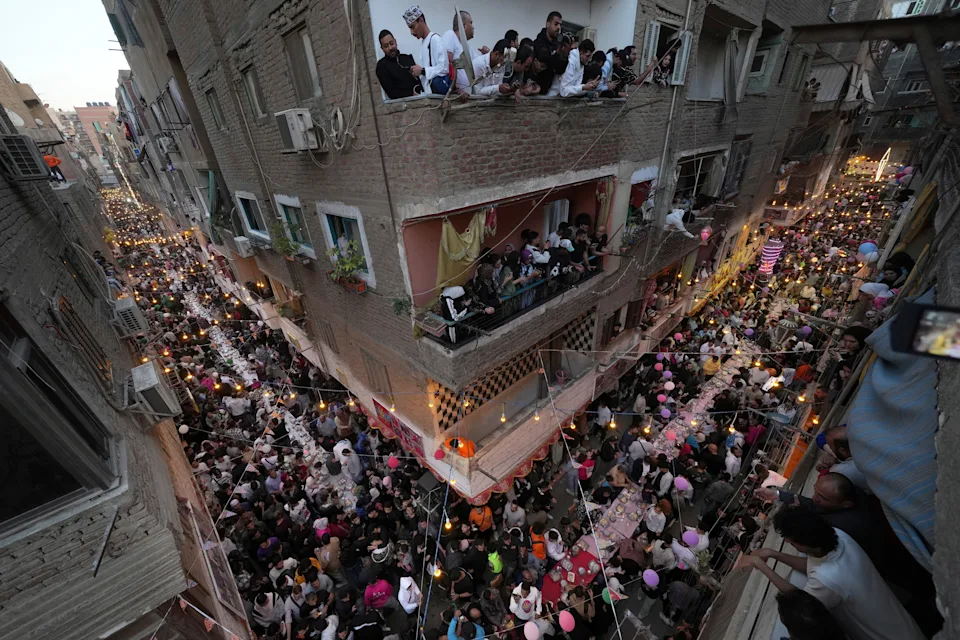
Ramadan traditions vary widely across countries and cultures, mixing religious and local customs. In Egypt, homes are adorned with colorful lanterns, children carry lamps, and mesaharati drummers roam neighborhoods before dawn to wake people for suhoor.
Television plays a role in social life in some countries, with new shows and series premiering during Ramadan. While some criticize the commercialization of the month, others view these rituals as enhancing the festive atmosphere when balanced with religious observance.
In Indonesia, customs differ by region. In Aceh province, animals are slaughtered in Meugang festivities, and the meat is shared with family, neighbors, and the poor. In Tangerang and Sumatra, residents celebrate with symbolic acts like washing hair in rivers and parades carrying torches, adding local color to spiritual practices.
In the United States, Muslims—often a racially and ethnically diverse minority—gather at mosques or Islamic centers for iftar and prayers. Interfaith iftar dinners have also grown in popularity, fostering understanding and shared celebration across communities.
Daljoog News Analysis
Ramadan represents both spiritual devotion and cultural richness. While fasting provides personal discipline and empathy, social rituals strengthen community bonds and preserve traditions. The month illustrates how religious observance can coexist with local and global cultural practices.
Daljoog News notes that the growing visibility of Ramadan in public life—from markets and media to interfaith events—reflects the increasing global awareness of Muslim practices. These traditions, though varied, emphasize compassion, self-restraint, and connection, central tenets of the holy month.
What Happens Next
Ramadan continues for 29 or 30 days, culminating in Eid al-Fitr, a major celebration marking the end of fasting. Communities around the world prepare for festive meals, prayers, and charitable acts.
Observers say that despite differences in customs and timing, the essence of Ramadan remains the same: a month of spiritual reflection, discipline, and generosity that strengthens both individual faith and collective solidarity.