


Israeli Prime Minister Benjamin Netanyahu said on Sunday that any potential deal between the United States and Iran must go beyond halting uranium enrichment and include the full dismantling of Iran’s nuclear infrastructure.
According to Daljoog News analysis, Netanyahu’s remarks underscore Israel’s enduring security concerns and its insistence on a deal that prevents Tehran from regaining nuclear capabilities. The comments come as U.S.-Iran negotiations are set for a second round this week.
The timing is critical. With heightened regional tensions and the possibility of U.S. military intervention, Israel’s stance signals that any agreement must meet stringent conditions to gain its support.
What Happened?
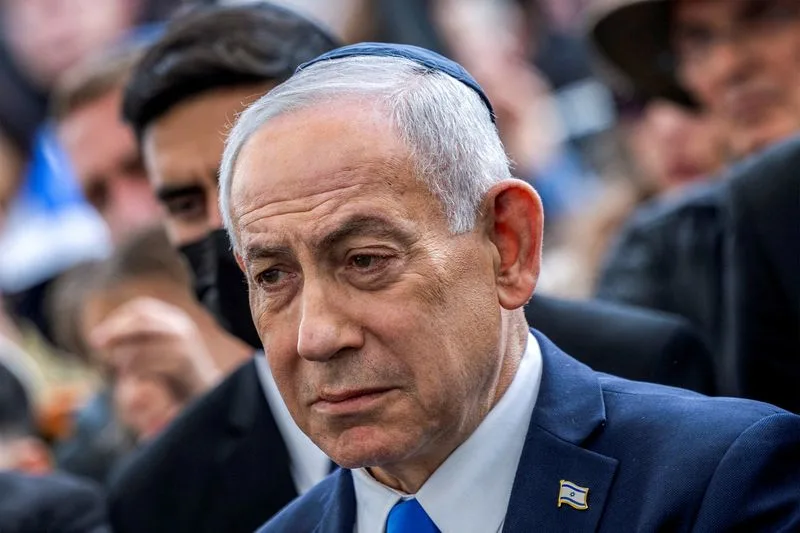
Speaking at the annual Conference of Presidents of Major American Jewish Organizations in Jerusalem, Netanyahu said he had briefed U.S. President Donald Trump last week on Israel’s position.
“Any deal must ensure there shall be no enrichment capability—not merely halting enrichment, but dismantling the equipment and infrastructure that allows enrichment,” Netanyahu emphasized.
He also reaffirmed Israel’s domestic security priorities, highlighting ongoing operations in Gaza. According to Netanyahu, Israeli forces have destroyed 150 kilometers of tunnels out of an estimated 500 km and aim to “complete the job.”
Meanwhile, Iranian officials have expressed interest in a renewed nuclear agreement with the U.S., seeking economic benefits in return. Washington has dispatched a second aircraft carrier to the region and is reportedly prepared for possible military action if negotiations falter.
Why This Matters
Netanyahu’s insistence on dismantling infrastructure raises the stakes for U.S.-Iran talks. A deal limited to temporary suspension or partial enrichment restrictions would likely be unacceptable to Israel, potentially complicating U.S. diplomatic leverage.
Israel’s security concerns are tied to regional threats, including Iran’s ballistic missile program and influence in neighboring states. Ensuring the complete removal of enrichment capabilities is viewed by Jerusalem as critical to preventing future nuclear escalation.
The potential for military escalation underscores the fragility of diplomacy. U.S. officials have indicated readiness to conduct sustained operations if negotiations fail, increasing regional uncertainty.
What Analysts or Officials Are Saying
Security experts note that Netanyahu’s position aligns with longstanding Israeli policy: strict verification and removal of nuclear capabilities rather than temporary or symbolic restrictions.
Analysts suggest that Israel’s insistence may influence the U.S. negotiating stance, pushing for stricter safeguards, inspection protocols, and potential sanctions relief tied to compliance.
Observers also highlight Israel’s broader strategy, including its plan to gradually phase out U.S. military aid over the next decade, signaling a shift toward a partnership model rather than dependency.
Daljoog News Analysis
Netanyahu’s dual message—firm conditions on Iran and phased reduction of U.S. aid—reflects a broader recalibration of Israel’s strategic posture. Domestically, it signals confidence in Israel’s economy and self-sufficiency. Regionally, it emphasizes non-negotiable security demands.
Daljoog News assesses that while U.S.-Iran talks may offer economic incentives, Israel will continue to prioritize operational safeguards, particularly dismantling nuclear infrastructure, before accepting any deal. The phased transition from aid to partnership may also indicate Israel’s long-term strategic independence in defense procurement and alliances.
What Happens Next
Attention will focus on the outcome of the second round of U.S.-Iran negotiations and whether any compromise addresses Israel’s security concerns.
Washington faces the challenge of balancing incentives for Iran with assurances to Israel. Any agreement that fails to meet Jerusalem’s conditions could increase the risk of regional escalation.
Meanwhile, Israel’s internal planning for the reduction of U.S. military aid over the next decade may proceed independently, signaling a shift toward domestic defense self-reliance and strategic partnerships beyond traditional assistance.